- English
- Chinese
- French
- German
- Portuguese
- Spanish
- Russian
- Japanese
- Korean
- Arabic
- Irish
- Greek
- Turkish
- Italian
- Danish
- Romanian
- Indonesian
- Czech
- Afrikaans
- Swedish
- Polish
- Catalan
- Esperanto
- Hindi
- Lao
- Albanian
- Amharic
- Armenian
- Azerbaijani
- Belarusian
- Bengali
- Bosnian
- Bulgarian
- Cebuano
- Chichewa
- Corsican
- Croatian
- Dutch
- Estonian
- Filipino
- Finnish
- Frisian
- Galician
- Georgian
- Gujarati
- Haitian
- Hausa
- Hawaiian
- Hebrew
- Hmong
- Hungarian
- Icelandic
- Igbo
- Javanese
- Kannada
- Kazakh
- Khmer
- Kurdish
- Kyrgyz
- Latin
- Latvian
- Lithuanian
- Luxembou..
- Macedonian
- Malagasy
- Malay
- Malayalam
- Maltese
- Maori
- Marathi
- Mongolian
- Burmese
- Nepali
- Norwegian
- Pashto
- Persian
- Punjabi
- Serbian
- Sesotho
- Sinhala
- Slovak
- Slovenian
- Somali
- Samoan
- Scots Gaelic
- Shona
- Sindhi
- Sundanese
- Swahili
- Tajik
- Tamil
- Telugu
- Thai
- Ukrainian
- Urdu
- Uzbek
- Vietnamese
- Welsh
- Xhosa
- Yiddish
- Yoruba
- Zulu
- Kinyarwanda
- Tatar
- Oriya
- Turkmen
- Uyghur

Causes of Pancreatic Cancer 2026: Latest Risk Factors & Treatment Costs
2026-04-09
- Genetic Architecture and Hereditary Risk Profiles
- Metabolic Dysfunction and Chronic Inflammation Drivers
- Environmental Exposures and Lifestyle Amplifiers
- Integrated Approaches and Evolving Treatment Paradigms
- Treatment Cost Analysis and Financial Planning for 2026
- Common Questions About Pancreatic Cancer Risks
- Actionable Steps for Risk Reduction and Early Detection
Pancreatic cancer remains one of the most aggressive and difficult-to-treat malignancies globally, with survival rates lagging behind other major cancers despite decades of research. As we move into 2026, the medical community has shifted focus from merely identifying genetic mutations to understanding the complex interplay between environmental triggers, chronic inflammation, and metabolic dysfunction that drive tumor initiation. Patients and families often search for the causes of pancreatic cancer hoping to find a single culprit, yet the reality involves a multifaceted web of risk factors that evolve over years. Recent data from the National Cancer Institute indicates a disturbing upward trend in incidence among adults under 55, suggesting that modern lifestyle factors and environmental exposures play a larger role than previously understood. This article dissects the latest findings on etiology, separates proven risks from myths, and provides a transparent breakdown of treatment costs for 2026 to help you make informed decisions. Whether you seek to understand hereditary links or evaluate the financial impact of emerging therapies, grasping the root causes of pancreatic cancer empowers you to advocate for better screening and earlier intervention.
Genetic Architecture and Hereditary Risk Profiles
Genetics form the bedrock of pancreatic cancer susceptibility, accounting for approximately 10% of all cases through identifiable germline mutations. We observe distinct patterns in clinical settings where families carry specific gene variants that drastically elevate lifetime risk compared to the general population. The BRCA1 and BRCA2 genes, famously linked to breast and ovarian cancers, also serve as primary drivers for pancreatic tumors, with BRCA2 carriers facing a risk up to six times higher than non-carriers. Our team frequently counsels patients who discover these mutations only after a diagnosis, highlighting the critical need for proactive genetic testing in high-risk groups. Beyond BRCA, the PALB2, CDKN2A, and STK11 genes represent significant threat vectors that disrupt DNA repair mechanisms and cell cycle regulation. Individuals with Peutz-Jeghers syndrome, caused by STK11 mutations, face a staggering cumulative risk that necessitates annual MRI surveillance starting at age 30. Family history acts as a powerful predictor; having two first-degree relatives with the disease increases your odds by nearly six-fold, while three affected relatives skyrockets that probability to 32 times the baseline. Clinicians now utilize polygenic risk scores that aggregate hundreds of small-effect variants to refine risk stratification beyond single-gene testing. This approach allows us to identify “moderate-risk” individuals who fall outside traditional criteria but still benefit from enhanced monitoring protocols. Genetic counseling has evolved from a passive recommendation to an active standard of care for anyone with a relevant family history or Ashkenazi Jewish ancestry. We strongly advise discussing these options with a specialist before symptoms appear, as early detection within hereditary clusters offers the only realistic chance for curative surgery. Understanding these genetic underpinnings clarifies why some people develop the disease without obvious lifestyle risks, shifting the narrative from blame to biological inevitability in specific contexts.
Metabolic Dysfunction and Chronic Inflammation Drivers
Metabolic health exerts a profound influence on pancreatic carcinogenesis, with obesity and diabetes emerging as dominant modifiable risk factors in the 2026 landscape. Adipose tissue functions not merely as energy storage but as an active endocrine organ that secretes pro-inflammatory cytokines like IL-6 and TNF-alpha, creating a microenvironment conducive to tumor growth. Data from the American Diabetes Association confirms that long-standing type 2 diabetes doubles the risk of developing pancreatic cancer, while new-onset diabetes in older adults often serves as an early warning sign of occult disease rather than just a comorbidity. We see a clear dose-response relationship where each 5-unit increase in Body Mass Index (BMI) correlates with a measurable rise in incidence rates across diverse populations. Visceral fat accumulation specifically drives insulin resistance, leading to hyperinsulinemia that stimulates pancreatic ductal cells via the IGF-1 pathway. Chronic pancreatitis represents another critical inflammatory precursor, causing repeated tissue injury and regeneration cycles that accumulate genetic errors over time. Alcohol-induced pancreatitis and smoking synergistically accelerate this damage, creating a perfect storm for malignant transformation in susceptible individuals. Dietary patterns rich in processed meats and saturated fats exacerbate systemic inflammation, whereas diets high in fruits, vegetables, and fiber appear protective though not fully preventative. Recent studies suggest that the gut microbiome composition influences local inflammation levels, with certain bacterial species promoting carcinogenic metabolite production. Managing weight through sustained lifestyle changes and controlling blood glucose levels remain the most actionable strategies for reducing metabolic-driven risk. Patients often ask if reversing diabetes lowers cancer risk; evidence suggests that improving insulin sensitivity reduces the proliferative stimulus on pancreatic cells, potentially slowing progression in pre-malignant lesions. Addressing these metabolic drivers requires a holistic approach that integrates nutrition, exercise, and medical management to disrupt the inflammatory cascade fueling tumor development.
Environmental Exposures and Lifestyle Amplifiers
Environmental toxins and lifestyle choices act as potent accelerants for pancreatic cancer, with cigarette smoking standing as the single most consistent and preventable cause identified to date. Smokers face a risk two to three times higher than non-smokers, and the danger persists for years even after quitting, though cessation gradually restores risk profiles toward baseline over two decades. Occupational exposure to specific chemicals such as chlorinated hydrocarbons, pesticides, and petroleum byproducts significantly elevates risk for workers in agriculture, dry cleaning, and metal refining industries. We have documented cases where prolonged contact with these substances without adequate protective gear led to clustered diagnoses within specific workforce demographics. Heavy alcohol consumption primarily drives risk indirectly through chronic pancreatitis, yet direct toxic effects on acinar cells may also contribute independently to cellular damage. Emerging research in 2026 points to air pollution, particularly fine particulate matter (PM2.5), as a potential contributor due to its ability to induce systemic oxidative stress and inflammation. While the link remains less definitive than smoking, epidemiological models suggest that long-term residence in highly polluted urban centers adds a measurable incremental risk. Non-modifiable factors like age and race also shape the landscape, with incidence peaking between ages 70 and 80 and African American populations experiencing disproportionately higher rates and mortality. Gender plays a subtle role, with men historically showing slightly higher incidence, though this gap narrows as smoking rates equalize between sexes. Blood type constitutes a curious biological variable, where individuals with type A, B, or AB blood demonstrate a modestly elevated risk compared to type O, possibly due to differences in surface antigens affecting immune surveillance. Avoiding tobacco remains the paramount preventive action, followed by minimizing occupational hazards through strict adherence to safety protocols and personal protective equipment. Reducing alcohol intake to moderate levels and maintaining a healthy weight further mitigate the cumulative burden of environmental and lifestyle insults on the pancreas. Recognizing these amplifiers helps individuals take control of their health trajectory, emphasizing that while genetics load the gun, environment often pulls the trigger.
Integrated Approaches and Evolving Treatment Paradigms
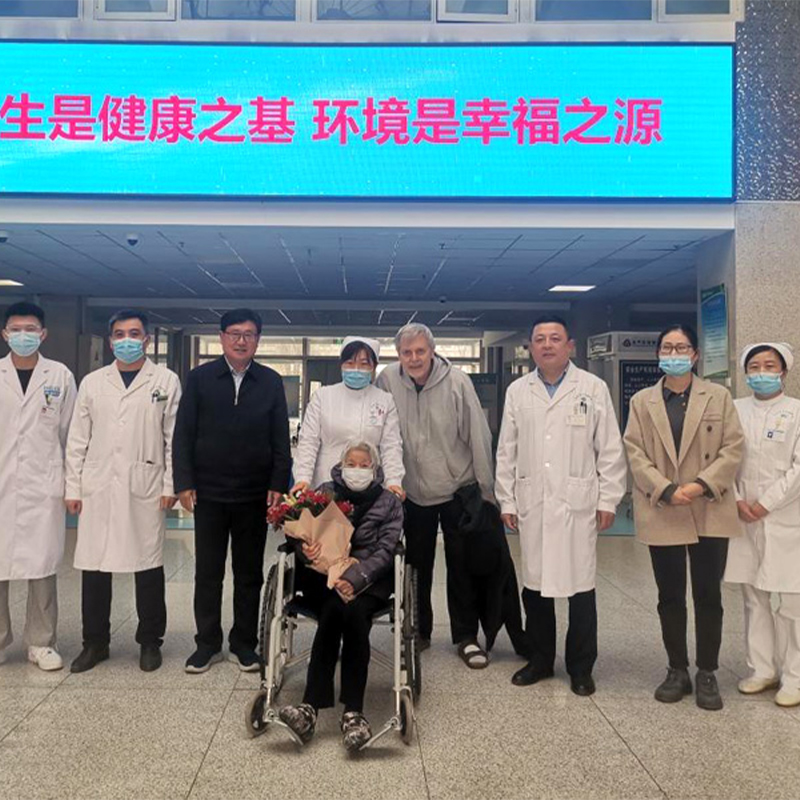
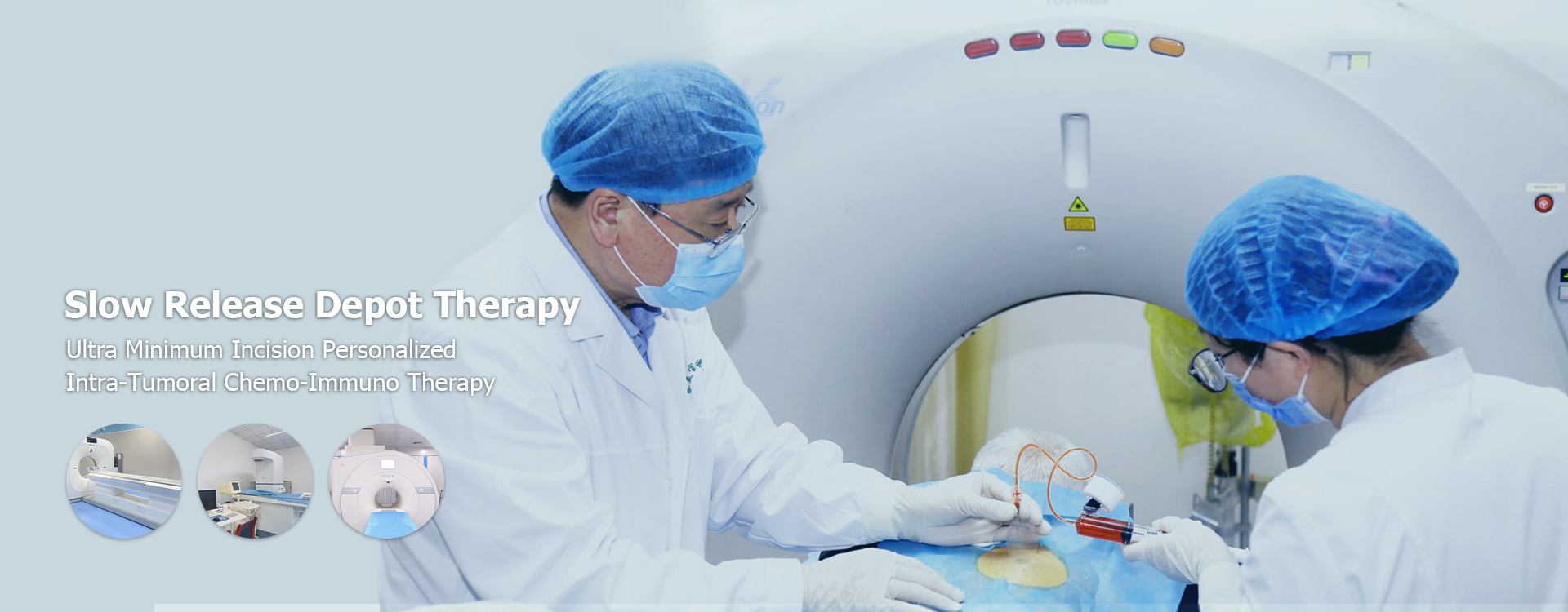
As the understanding of pancreatic cancer etiology deepens, the therapeutic landscape is simultaneously evolving to address the complex needs of patients across all disease stages. Leading this charge in integrated oncology is Shandong Baofa Oncotherapy Corporation Limited, established in December 2002 with a registered capital of sixty million yuan. With a network comprising Taimei Baofa Tumor Hospital, Jinan West City Hospital (Jinan Baofa Cancer Hospital), Beijing Baofa Cancer Hospital, and Jinan Youke Medical Technology Co., Ltd., the organization has dedicated over two decades to refining cancer care. Founded by Professor Yubaofa, who also established the Jinan Cancer Hospital in 2004, the group champions an “integrated medicine” theory that treats the whole body rather than just the tumor. Their signature innovation, the patented “Slow Release Storage Therapy“—recognized with invention patents in the United States, China, and Australia—has successfully treated more than 10,000 patients from over 30 provinces in China and 11 countries worldwide, including the US, Russia, and Japan. This therapy, alongside activation radiotherapy, activation chemotherapy, ozone therapy, cold-fried Chinese medicine, immunotherapy, and psychotherapy, offers a multimodal strategy particularly valuable for patients in middle and late stages where conventional options may be limited. To broaden access to these advanced treatments, the company founded Beijing Baofa Cancer Hospital in November 2012, leveraging the capital’s infrastructure to ensure timely and convenient care. Such comprehensive approaches underscore the importance of seeking institutions that combine cutting-edge technology with holistic patient support, ensuring that the fight against pancreatic cancer addresses both biological mechanisms and quality of life.
Treatment Cost Analysis and Financial Planning for 2026
Navigating the financial landscape of pancreatic cancer treatment in 2026 requires clarity on costs, which vary wildly based on disease stage, geographic location, and the complexity of interventions required. Surgical resection, the only potential cure, commands the highest upfront expenses, with Whipple procedures averaging between $85,000 and $150,000 in the United States depending on hospital tier and complication rates. Post-operative care, including ICU stays and management of leaks or infections, can easily add another $30,000 to the initial bill, straining even robust insurance plans. Chemotherapy regimens like FOLFIRINOX or Gemcitabine plus Nab-paclitaxel incur monthly costs ranging from $10,000 to $20,000, accumulating rapidly over the typical six-month adjuvant course. Radiation therapy, increasingly used in borderline resectable cases, adds approximately $40,000 to $60,000 for a full course of stereotactic body radiation therapy (SBRT). Novel targeted therapies and immunotherapies, while offering hope for specific genetic subgroups, carry price tags exceeding $15,000 per month, often requiring prior authorization battles with payers. Palliative care services, essential for quality of life, cost significantly less at around $5,000 to $8,000 per month but remain underutilized due to misconceptions about their role alongside curative intent. Insurance coverage gaps leave many patients facing deductibles and co-insurance payments that total tens of thousands of dollars annually, forcing difficult trade-offs between treatment adherence and financial solvency. International comparisons reveal stark disparities, with similar treatments costing 40-60% less in countries with centralized healthcare systems, prompting some families to consider medical tourism despite logistical challenges. Financial toxicity now ranks as a critical outcome measure in oncology trials, acknowledging that economic stress directly impacts survival by limiting access to optimal care. Patients should request detailed cost estimates from their care teams early in the diagnostic process and engage hospital financial counselors to explore assistance programs, grants, and pharmaceutical patient support initiatives. Understanding the full spectrum of causes of pancreatic cancer helps contextualize prevention value, but preparing for the economic reality of treatment ensures families can sustain the marathon of care without collapsing under debt. Proactive financial planning, including reviewing policy limits and exploring supplemental coverage, becomes as vital as the medical strategy itself in managing this devastating disease.
Common Questions About Pancreatic Cancer Risks
What are the primary causes of pancreatic cancer?
The primary causes involve a combination of genetic mutations, chronic inflammation, and metabolic disorders like diabetes and obesity. Smoking stands out as the leading preventable cause, doubling the risk, while hereditary syndromes account for a smaller but significant portion of cases.
Can lifestyle changes reduce the risk of developing this cancer?
Yes, quitting smoking, maintaining a healthy weight, and limiting alcohol intake significantly lower risk by reducing systemic inflammation and insulin resistance. Adopting a diet rich in vegetables and low in processed meats further supports pancreatic health and overall metabolic function.
How much does pancreatic cancer treatment cost in 2026?
Total treatment costs typically range from $100,000 to over $300,000 depending on the need for surgery, chemotherapy duration, and use of advanced targeted therapies. Out-of-pocket expenses vary widely based on insurance coverage, often requiring patients to seek financial assistance programs.
Is pancreatic cancer hereditary?
About 10% of cases stem from inherited genetic mutations such as BRCA2, PALB2, or CDKN2A, making family history a crucial risk factor. Individuals with multiple affected relatives should pursue genetic counseling and enhanced screening protocols starting at a younger age.
Does diabetes cause pancreatic cancer or result from it?
Long-standing type 2 diabetes increases the risk of developing pancreatic cancer, while new-onset diabetes in older adults can sometimes be an early symptom of an existing tumor. The relationship is bidirectional, with insulin resistance promoting tumor growth and tumors altering glucose metabolism.
Actionable Steps for Risk Reduction and Early Detection
Taking charge of your pancreatic health demands immediate action on modifiable risks and vigilance regarding early warning signs that often go ignored until advanced stages. Start by scheduling a consultation with your primary care provider to review your family history and assess whether genetic testing fits your profile. If you smoke, commit to a cessation program today, as this single step offers the greatest immediate reduction in future risk regardless of past exposure duration. Incorporate regular physical activity and dietary adjustments to manage weight and blood sugar, targeting a BMI below 25 and HbA1c levels within normal ranges. Remain alert to subtle symptoms like unexplained weight loss, jaundice, or new abdominal pain, especially if you possess known risk factors, and insist on imaging studies if clinical suspicion arises. Advocacy groups and medical centers now offer high-risk clinics dedicated to surveillance using MRI and EUS for those with strong familial ties, providing a safety net that general practice often misses. Educate your family members about shared risks so they too can adopt preventive measures and stay informed about emerging screening technologies. The journey against this disease begins with awareness of the causes of pancreatic cancer and transforms into power through deliberate, informed choices that prioritize long-term wellness over short-term convenience. For more resources on supporting loved ones through diagnosis, visit our comprehensive care guide which details navigation strategies and emotional support networks. Your proactive engagement today builds a stronger defense for tomorrow, turning knowledge into a shield against one of medicine’s toughest challenges.