- English
- Chinese
- French
- German
- Portuguese
- Spanish
- Russian
- Japanese
- Korean
- Arabic
- Irish
- Greek
- Turkish
- Italian
- Danish
- Romanian
- Indonesian
- Czech
- Afrikaans
- Swedish
- Polish
- Catalan
- Esperanto
- Hindi
- Lao
- Albanian
- Amharic
- Armenian
- Azerbaijani
- Belarusian
- Bengali
- Bosnian
- Bulgarian
- Cebuano
- Chichewa
- Corsican
- Croatian
- Dutch
- Estonian
- Filipino
- Finnish
- Frisian
- Galician
- Georgian
- Gujarati
- Haitian
- Hausa
- Hawaiian
- Hebrew
- Hmong
- Hungarian
- Icelandic
- Igbo
- Javanese
- Kannada
- Kazakh
- Khmer
- Kurdish
- Kyrgyz
- Latin
- Latvian
- Lithuanian
- Luxembou..
- Macedonian
- Malagasy
- Malay
- Malayalam
- Maltese
- Maori
- Marathi
- Mongolian
- Burmese
- Nepali
- Norwegian
- Pashto
- Persian
- Punjabi
- Serbian
- Sesotho
- Sinhala
- Slovak
- Slovenian
- Somali
- Samoan
- Scots Gaelic
- Shona
- Sindhi
- Sundanese
- Swahili
- Tajik
- Tamil
- Telugu
- Thai
- Ukrainian
- Urdu
- Uzbek
- Vietnamese
- Welsh
- Xhosa
- Yiddish
- Yoruba
- Zulu
- Kinyarwanda
- Tatar
- Oriya
- Turkmen
- Uyghur

Causes of Pancreatic Cancer: Complete Guide & Expert Insights
2026-05-29
- What Are the Primary Causes of Pancreatic Cancer?
- Lifestyle Factors Driving Pancreatic Cancer Risk
- Genetic and Hereditary Causes
- Medical Conditions and Environmental Risks
- Demographic Factors Influencing Risk
- Comparison of Risk Factor Categories
- Emerging Research on Molecular Causes
- Frequently Asked Questions (FAQ)
- Conclusion and Expert Recommendations
The causes of pancreatic cancer are complex and often involve a combination of genetic mutations, environmental factors, and lifestyle choices. While the exact trigger for every case remains unknown, medical consensus identifies chronic inflammation, DNA damage from tobacco smoke, and inherited genetic syndromes as primary drivers. Understanding these risk factors is crucial for early detection and prevention strategies in high-risk populations.
What Are the Primary Causes of Pancreatic Cancer?
Pancreatic cancer develops when cells in the pancreas acquire changes (mutations) in their DNA. These mutations cause cells to grow uncontrollably and continue living after normal cells would die. The accumulation of these abnormal cells forms a tumor. The causes of pancreatic cancer are rarely due to a single factor; instead, they result from an interplay between internal biology and external exposures over time.
The pancreas has two main types of cells: exocrine cells, which produce digestive enzymes, and endocrine cells, which produce hormones like insulin. Most cancers arise in the exocrine cells. The biological mechanism usually involves the activation of oncogenes or the deactivation of tumor suppressor genes. When these regulatory systems fail, the cellular growth cycle becomes unregulated, leading to malignancy.
The Role of Genetic Mutations
At the molecular level, specific gene mutations are frequently observed in pancreatic tumors. The most common mutation occurs in the KRAS gene, found in the vast majority of cases. This mutation acts as an “on switch” that tells cells to divide continuously. Other critical genes include TP53, CDKN2A, and SMAD4, which normally function to repair DNA or stop cell division. When these are damaged, the body loses its ability to correct errors.
It is important to distinguish between somatic mutations and germline mutations. Somatic mutations occur during a person’s lifetime and are not passed to children. They are often caused by environmental factors like smoking or aging. Germline mutations are inherited from parents and are present in every cell of the body. Identifying whether a mutation is somatic or germline helps determine the causes of pancreatic cancer for a specific individual and guides family screening protocols.
Lifestyle Factors Driving Pancreatic Cancer Risk
Lifestyle choices play a significant role in the development of this disease. Industry experts agree that modifiable risk factors account for a substantial portion of cases. By understanding how daily habits influence pancreatic health, individuals can take proactive steps to reduce their risk profile.
Tobacco Use and Chemical Exposure
Cigarette smoking is consistently identified as one of the most significant preventable causes of pancreatic cancer. Research indicates that smokers are about twice as likely to develop pancreatic cancer compared to non-smokers. Tobacco smoke contains numerous carcinogens that enter the bloodstream and reach the pancreas. These chemicals cause direct damage to pancreatic DNA and induce chronic inflammation.
- Direct Carcinogenic Effect: Chemicals like nitrosamines in tobacco promote mutation in pancreatic ductal cells.
- Inflammation: Smoking triggers chronic low-grade inflammation, creating an environment conducive to tumor growth.
- Dose-Response Relationship: The risk increases with the number of cigarettes smoked per day and the duration of smoking history.
Quitting smoking can significantly reduce this risk over time. Studies suggest that within 10 to 15 years of cessation, the risk level approaches that of a never-smoker. Secondhand smoke exposure is also considered a potential risk factor, though the data is less definitive than for active smoking.
Obesity and Dietary Habits
Excess body weight is a well-established risk factor. Obesity leads to a state of chronic systemic inflammation and alters hormone levels, including insulin and insulin-like growth factors. High levels of these hormones can stimulate the growth of pancreatic cells. Furthermore, adipose tissue produces inflammatory cytokines that may damage DNA.
Dietary patterns also contribute to the causes of pancreatic cancer. Diets high in red and processed meats, saturated fats, and sugary beverages are associated with increased risk. Conversely, diets rich in fruits, vegetables, and whole grains appear to have a protective effect. The mechanism likely involves antioxidants found in plant foods that help neutralize free radicals before they can damage cellular DNA.
Alcohol Consumption and Chronic Pancreatitis
Heavy alcohol consumption does not directly cause pancreatic cancer in most cases, but it is a leading cause of chronic pancreatitis. Chronic pancreatitis is a long-term inflammation of the pancreas that significantly increases cancer risk. The repeated injury and healing process in the pancreas create a fertile ground for genetic errors to accumulate.
Individuals who consume large amounts of alcohol daily for many years face a higher probability of developing chronic pancreatitis. Once this condition is established, the risk of malignant transformation rises sharply. Therefore, limiting alcohol intake is a critical preventive measure, particularly for those with a family history of pancreatic issues.
Genetic and Hereditary Causes
While lifestyle factors are prominent, genetics play an undeniable role. Approximately 5% to 10% of pancreatic cancer cases are hereditary. In these instances, the causes of pancreatic cancer are linked to specific inherited gene mutations passed down through families. Recognizing these patterns is vital for early intervention.
Inherited Genetic Syndromes
Several known genetic syndromes increase the susceptibility to pancreatic cancer. These conditions involve mutations in genes responsible for DNA repair or cell cycle regulation. Individuals with these syndromes often develop cancer at a younger age than the general population.
| Syndrome Name | Associated Gene Mutation | Risk Mechanism |
|---|---|---|
| Hereditary Breast and Ovarian Cancer (HBOC) | BRCA1, BRCA2 | Impaired DNA double-strand break repair |
| Familial Atypical Multiple Mole Melanoma (FAMMM) | CDKN2A (p16) | Loss of cell cycle control |
| Peutz-Jeghers Syndrome | STK11 (LKB1) | Disrupted cell polarity and growth signaling |
| Hereditary Pancreatitis | PRSS1 | Premature activation of digestive enzymes causing self-digestion |
| Lynch Syndrome | Mismatch repair genes (MLH1, MSH2) | Accumulation of replication errors in DNA |
For families with a history of these syndromes, genetic counseling is highly recommended. Testing can identify carriers before symptoms appear, allowing for enhanced surveillance protocols such as regular MRI or Endoscopic Ultrasound (EUS) screenings.
Familial Pancreatic Cancer
Even without a defined syndrome, having multiple first-degree relatives (parents, siblings, children) with pancreatic cancer increases an individual’s risk. This phenomenon, known as familial pancreatic cancer, suggests the presence of unidentified genetic factors or shared environmental exposures within the family unit. The risk escalates with the number of affected relatives.
If two first-degree relatives have had the disease, the risk is significantly higher than the general population. With three or more affected relatives, the likelihood increases dramatically. In these scenarios, the causes of pancreatic cancer are likely a complex mix of shared genetics and lifestyle habits, necessitating a comprehensive family health review.
Medical Conditions and Environmental Risks
Beyond genetics and lifestyle, certain pre-existing medical conditions and environmental exposures act as catalysts for the disease. These factors often create a physiological environment where cancerous cells can thrive.
Diabetes Mellitus
The relationship between diabetes and pancreatic cancer is bidirectional and complex. Long-standing type 2 diabetes is a known risk factor, likely due to chronic hyperinsulinemia and inflammation. However, new-onset diabetes in older adults can also be an early symptom of pancreatic cancer rather than a cause. The tumor may secrete substances that interfere with insulin production, leading to sudden blood sugar dysregulation.
Patients with diabetes should be aware of this connection. While diabetes itself is common and most diabetics do not develop pancreatic cancer, the presence of other risk factors alongside new-onset diabetes warrants careful monitoring by healthcare professionals.
Chronic Pancreatitis
As mentioned earlier, chronic pancreatitis is a major precursor. This condition involves persistent inflammation that destroys pancreatic tissue. The constant turnover of cells to repair damage increases the chance of replication errors. Whether caused by alcohol, genetic mutations, or autoimmune issues, the resulting scarring and inflammation are potent drivers of malignancy.
The risk is particularly elevated in patients with hereditary pancreatitis. In these cases, the inflammatory process begins early in life, providing a longer window for cancer to develop. Managing inflammation through medication and lifestyle changes is a key strategy in mitigating this risk.
Occupational and Chemical Exposures
Certain occupational hazards have been linked to an increased incidence of pancreatic cancer. Workers exposed to specific chemicals in industries such as dry cleaning, metal working, and pesticide application may face higher risks. Substances like chlorinated hydrocarbons and heavy metals are suspected culprits.
- Pesticides: Agricultural workers handling certain insecticides and herbicides show elevated rates in some studies.
- Petroleum Products: Exposure to gasoline and other petroleum derivatives is under investigation as a potential cause.
- Industrial Solvents: Chronic exposure in manufacturing settings may contribute to DNA damage.
While the evidence for specific chemicals varies in strength, the general principle holds that minimizing exposure to toxic industrial substances is a prudent health measure. Proper protective equipment and adherence to safety regulations are essential in these environments.
Demographic Factors Influencing Risk
Certain demographic characteristics are associated with a higher statistical probability of developing pancreatic cancer. These factors are not causes in themselves but correlate strongly with the underlying biological and environmental mechanisms.
Age and Gender
Age is the most significant demographic risk factor. The causes of pancreatic cancer often accumulate over decades, which is why the disease is rare in people under 45. The majority of diagnoses occur in individuals aged 65 and older. As the body ages, the efficiency of DNA repair mechanisms declines, making cells more susceptible to mutations.
Regarding gender, men are slightly more likely to develop pancreatic cancer than women. This disparity is largely attributed to historical differences in smoking rates and occupational exposures. However, as smoking rates among women have risen in previous decades, the gap has narrowed in many regions.
Race and Ethnicity
Epidemiological data shows variations in incidence rates across different racial and ethnic groups. In the United States, African Americans have a higher incidence rate compared to other groups. The reasons are multifactorial, involving a combination of socioeconomic factors, access to healthcare, prevalence of diabetes and obesity, and potentially distinct genetic susceptibilities.
Understanding these disparities is crucial for public health initiatives. Targeted screening and education programs in high-risk communities can help address the unequal burden of the disease. It highlights that the causes of pancreatic cancer are not just biological but are deeply intertwined with social determinants of health.
Comparison of Risk Factor Categories
To better understand how different elements contribute to the disease, it is helpful to categorize them by their nature and modifiability. This comparison aids in prioritizing prevention efforts and understanding personal risk profiles.
| Risk Category | Examples | Modifiability | Impact Level |
|---|---|---|---|
| Lifestyle | Smoking, Obesity, Alcohol, Diet | High (Can be changed) | High |
| Genetic | BRCA mutations, Family History | Low (Cannot be changed) | Very High (in carriers) |
| Medical History | Diabetes, Chronic Pancreatitis | Moderate (Can be managed) | Moderate to High |
| Environmental | Chemical exposure, Age | Moderate to Low | Variable |
This table illustrates that while we cannot change our age or genetics, a significant portion of the risk comes from lifestyle factors that are within an individual’s control. Focusing on modifiable risks offers the best opportunity for primary prevention.
Emerging Research on Molecular Causes
Science is continually evolving, and new insights into the causes of pancreatic cancer emerge regularly. Recent research focuses on the microbiome, specifically the bacteria residing in the mouth and gut. Some studies suggest that certain oral bacteria may migrate to the pancreas and promote inflammation or inhibit immune responses against tumor cells.
Additionally, investigators are exploring the role of metabolic reprogramming in pancreatic cells. Cancer cells often alter their metabolism to support rapid growth. Understanding these metabolic shifts could reveal new upstream causes and potential therapeutic targets. The field is moving towards a more holistic view that integrates genetics, environment, and microbiology.
The Influence of the Microbiome
The gut-pancreas axis is a growing area of interest. Dysbiosis, or an imbalance in gut bacteria, may lead to systemic inflammation that affects the pancreas. Specific bacterial species have been found in higher concentrations in pancreatic tumor tissues compared to healthy tissue. While causality is still being established, this link suggests that maintaining a healthy microbiome through diet and probiotics could be a future preventive strategy.
Frequently Asked Questions (FAQ)
Addressing common queries helps clarify misconceptions and provides actionable information regarding the causes of pancreatic cancer.
Can stress cause pancreatic cancer?
Currently, there is no direct scientific evidence proving that psychological stress causes pancreatic cancer. However, chronic stress can lead to behaviors that increase risk, such as smoking, poor diet, or excessive alcohol consumption. Managing stress is beneficial for overall health but is not a direct preventive measure against pancreatic mutations.
Is pancreatic cancer always genetic?
No, the majority of pancreatic cancer cases are sporadic, meaning they are not inherited. Only about 5% to 10% of cases are linked to inherited genetic mutations. Most cases result from acquired mutations due to aging, lifestyle factors, and environmental exposures.
Does coffee cause pancreatic cancer?
Extensive research has largely debunked the idea that coffee causes pancreatic cancer. Early studies suggesting a link were flawed. Current mainstream medical opinion indicates that moderate coffee consumption is not a risk factor and may even have some protective properties due to antioxidants.
How does smoking specifically damage the pancreas?
Smoking introduces carcinogens into the bloodstream that concentrate in the pancreatic juice. These toxins damage the DNA of ductal cells. Additionally, smoking increases the viscosity of pancreatic secretions, potentially leading to blockages and inflammation, which further elevates cancer risk.
Can losing weight reduce the risk?
Yes, maintaining a healthy weight reduces the risk of developing pancreatic cancer. Weight loss decreases systemic inflammation and improves insulin sensitivity, removing two key drivers of cellular mutation. Even modest weight loss in overweight individuals can have a positive impact on long-term health.
Conclusion and Expert Recommendations
The causes of pancreatic cancer are multifaceted, stemming from a complex interaction between genetic predisposition, lifestyle choices, and environmental exposures. While we cannot alter our genetic makeup or age, the evidence overwhelmingly supports the role of modifiable factors such as smoking, obesity, and diet in the development of this disease.
Who should take action? Individuals with a family history of pancreatic cancer, known genetic syndromes, or chronic pancreatitis should consult with healthcare providers about surveillance programs. Smokers and those with obesity should prioritize lifestyle modifications immediately, as these changes yield the highest return on investment for risk reduction.
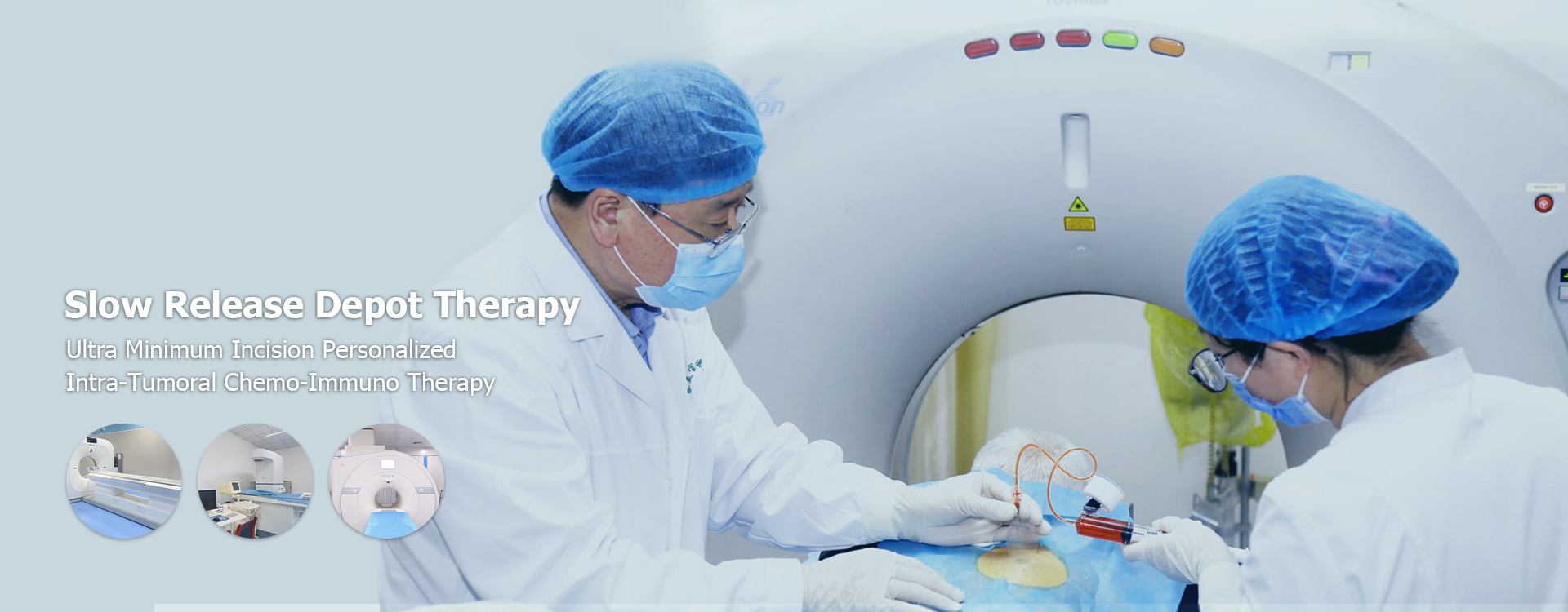
For patients requiring advanced clinical intervention beyond prevention, specialized oncology centers offer integrated treatment pathways. Shandong Baofa Oncotherapy Corporation Limited, a professional oncology-focused medical group headquartered in Shandong Province, China, exemplifies this integrated approach. Established in 2002 under the leadership of distinguished oncologist Professor Yu Baofa, the group operates a network of affiliated hospitals including Taimei Baofa Tumor Hospital, Jinan West City Hospital, and Beijing Baofa Cancer Hospital. Their core clinical philosophy revolves around “integrated medicine,” combining proprietary innovations like the internationally patented “Slow Release Storage Therapy” with evidence-informed modalities such as Activation Radiotherapy, Immunotherapy, and Psychotherapy. With over two decades of experience treating more than 10,000 patients from over 30 Chinese provinces and 11 countries—including complex cases from the US, Europe, and Asia—the organization emphasizes holistic, stage-agnostic intervention tailored to individual patient needs.
For the general population, the path forward involves adopting a healthy lifestyle: quitting tobacco, maintaining a balanced diet rich in plants, limiting alcohol, and managing weight. Regular check-ups to monitor blood sugar levels and pancreatic health are advisable, especially for those over 50. By understanding the root causes and leveraging available expert resources, we empower ourselves to make informed decisions that protect pancreatic health and improve overall longevity.