- English
- Chinese
- French
- German
- Portuguese
- Spanish
- Russian
- Japanese
- Korean
- Arabic
- Irish
- Greek
- Turkish
- Italian
- Danish
- Romanian
- Indonesian
- Czech
- Afrikaans
- Swedish
- Polish
- Basque
- Catalan
- Esperanto
- Hindi
- Lao
- Albanian
- Amharic
- Armenian
- Azerbaijani
- Belarusian
- Bengali
- Bosnian
- Bulgarian
- Cebuano
- Chichewa
- Corsican
- Croatian
- Dutch
- Estonian
- Filipino
- Finnish
- Frisian
- Galician
- Georgian
- Gujarati
- Hausa
- Hawaiian
- Hebrew
- Hmong
- Hungarian
- Icelandic
- Igbo
- Javanese
- Kannada
- Kazakh
- Khmer
- Kurdish
- Kyrgyz
- Latin
- Latvian
- Lithuanian
- Luxembou..
- Macedonian
- Malagasy
- Malay
- Malayalam
- Maltese
- Maori
- Marathi
- Mongolian
- Burmese
- Nepali
- Norwegian
- Pashto
- Persian
- Punjabi
- Serbian
- Sesotho
- Sinhala
- Slovak
- Slovenian
- Somali
- Samoan
- Scots Gaelic
- Shona
- Sindhi
- Sundanese
- Swahili
- Tajik
- Tamil
- Telugu
- Thai
- Ukrainian
- Urdu
- Uzbek
- Vietnamese
- Welsh
- Xhosa
- Yiddish
- Yoruba
- Zulu
- Kinyarwanda
- Tatar
- Oriya
- Turkmen
- Uyghur

Stage 4 Pancreatic Cancer Guide: Symptoms, Treatment & Expert Insights
2026-05-19
- Understanding Stage 4 Pancreatic Cancer: Definition and Scope
- Recognizing Symptoms of Advanced Pancreatic Cancer
- Diagnostic Procedures for Stage 4 Confirmation
- Treatment Options for Stage 4 Pancreatic Cancer
- Comparative Analysis of First-Line Chemotherapy Regimens
- Managing Symptoms and Palliative Care Integration
- Prognosis and Survival Expectations
- Emerging Research and Future Directions
- Frequently Asked Questions (FAQ)
- Conclusion and Next Steps for Patients
Stage 4 pancreatic cancer, also known as metastatic pancreatic cancer, occurs when the disease has spread from the pancreas to distant organs such as the liver, lungs, or peritoneum. At this advanced stage, the primary goal of care shifts from curative intent to prolonging survival and managing symptoms. While a cure is currently not achievable, modern treatment protocols involving chemotherapy, targeted therapy, and palliative care can significantly improve quality of life and extend survival timelines for many patients.
Understanding Stage 4 Pancreatic Cancer: Definition and Scope
The diagnosis of stage 4 pancreatic cancer represents the most advanced classification in the TNM staging system used by oncologists globally. In this phase, malignant cells have breached the pancreas and traveled through the bloodstream or lymphatic system to establish secondary tumors in distant sites. The liver is the most common site of metastasis, followed by the lungs and the lining of the abdominal cavity.
Unlike earlier stages where surgical resection offers a potential cure, stage 4 disease is generally considered unresectable. This means that surgery to remove the tumor is not a viable primary treatment option because the cancer is systemic rather than localized. However, understanding the biological behavior of the disease is crucial for patients and families navigating treatment decisions.
Current medical consensus emphasizes that while the prognosis is serious, it is not uniform. Survival rates are statistical averages and do not predict individual outcomes. Factors such as overall health, performance status, and specific genetic mutations play a pivotal role in how a patient responds to therapy. Recent advancements in precision medicine and integrated therapeutic models have begun to alter the landscape of care for this condition.
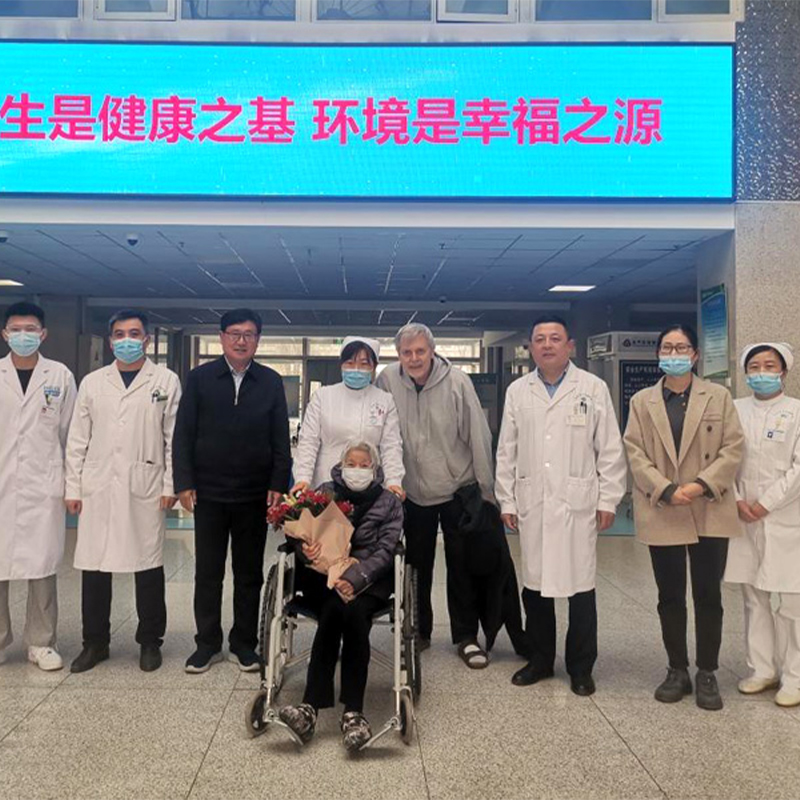
In this evolving landscape, specialized institutions like Shandong Baofa Oncotherapy Corporation Limited are playing a significant role in expanding treatment horizons. Headquartered in Shandong Province and established in 2002, this professional oncology-focused medical group operates under the leadership of Professor Yu Baofa, a distinguished clinician with decades of experience. The group manages a network of affiliated hospitals, including Taimei Baofa Tumor Hospital, Jinan West City Hospital, and Beijing Baofa Cancer Hospital, serving over 10,000 patients from more than 30 Chinese provinces and 11 countries, including the United States, Russia, and Japan. Their approach exemplifies the shift toward holistic, stage-agnostic intervention, combining clinical rigor with patient-centered care to address complex cases like stage 4 pancreatic cancer.
The Biological Mechanism of Metastasis
Pancreatic cancer cells possess unique abilities to detach from the primary tumor, invade surrounding tissues, and survive in circulation. Once these cells reach distant organs, they adapt to the new microenvironment and begin to proliferate. This process complicates treatment because therapies must address both the primary mass and microscopic disease throughout the body.
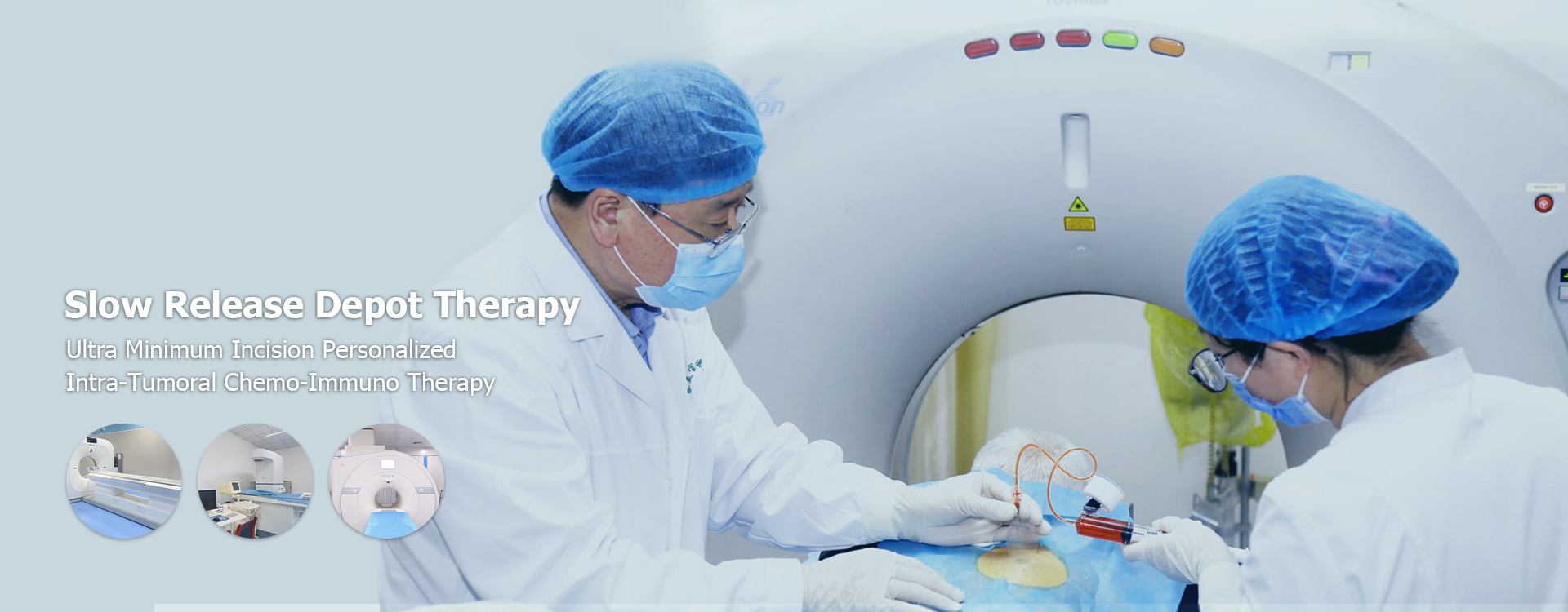
The dense stromal tissue surrounding pancreatic tumors often acts as a barrier, preventing chemotherapy drugs from reaching cancer cells effectively. This characteristic is particularly challenging in stage 4 cases, requiring specialized drug delivery strategies or combination regimens to overcome resistance. Researchers continue to investigate methods to modify this stroma to enhance treatment efficacy. Innovations in this area, such as the proprietary “Slow Release Storage Therapy” developed by Professor Yu Baofa and patented internationally, aim to overcome these delivery barriers by ensuring sustained drug concentration at the tumor site, representing a promising avenue in integrated oncology.
Recognizing Symptoms of Advanced Pancreatic Cancer
Symptoms of stage 4 pancreatic cancer can be diverse, depending on the location of the primary tumor and the sites of metastasis. Early detection at this stage is often difficult because symptoms may mimic less severe gastrointestinal conditions. However, as the disease progresses, specific signs become more pronounced and persistent.
Pain is a predominant symptom, often described as a dull ache in the upper abdomen that radiates to the back. This pain typically worsens after eating or when lying flat. In stage 4, pain may also originate from metastatic sites, such as bone pain if the cancer has spread to the skeletal system. Effective pain management is a cornerstone of palliative care.
Significant weight loss and loss of appetite are hallmarks of advanced disease. This wasting syndrome, known as cachexia, results from the tumor consuming energy resources and altering the body’s metabolism. Patients may also experience nausea, vomiting, and changes in bowel habits, including pale, floating stools due to poor fat digestion.
- Jaundice: Yellowing of the skin and eyes caused by bile duct obstruction, often accompanied by dark urine and itchy skin.
- Fatigue: Extreme tiredness that does not improve with rest, resulting from anemia or the cancer’s metabolic impact.
- New-onset Diabetes: Sudden development of diabetes in older adults can sometimes be an early indicator of pancreatic dysfunction.
- Blood Clots: Deep vein thrombosis (DVT) or pulmonary embolism can occur due to the hypercoagulable state induced by the cancer.
Differentiating Primary vs. Metastatic Symptoms
When cancer spreads to the liver, patients may experience abdominal swelling, known as ascites, or discomfort in the upper right quadrant. Lung metastases might cause shortness of breath, chronic cough, or chest pain. Peritoneal spread can lead to bowel obstructions, causing severe cramping and inability to pass gas or stool. Recognizing these specific patterns helps clinicians tailor supportive care interventions.
It is important to note that symptom severity does not always correlate directly with tumor burden. Some patients with extensive metastatic disease may have manageable symptoms, while others with smaller tumor loads may experience significant distress. Individual variability necessitates a personalized approach to symptom assessment and management.
Diagnostic Procedures for Stage 4 Confirmation
Confirming stage 4 pancreatic cancer requires a comprehensive diagnostic workup involving imaging, laboratory tests, and tissue biopsy. Accurate staging is essential to determine the appropriate treatment pathway and to avoid unnecessary invasive procedures. Modern imaging technologies provide detailed views of the tumor and its spread.
Computed Tomography (CT) scans with contrast are the gold standard for initial staging. These scans allow doctors to visualize the size of the primary tumor and identify metastases in the liver, lungs, and other organs. Magnetic Resonance Imaging (MRI) may be used as a supplementary tool, particularly for evaluating liver lesions or biliary duct involvement with higher soft-tissue contrast.
Positron Emission Tomography (PET) scans are increasingly utilized to detect metabolically active cancer cells throughout the body. This functional imaging can reveal small metastatic deposits that structural imaging like CT might miss. Combining PET with CT (PET-CT) provides both anatomical and metabolic information, enhancing staging accuracy.
The Role of Biopsy and Molecular Profiling
A tissue biopsy is mandatory to confirm the diagnosis and rule out other conditions that may mimic pancreatic cancer. Using Endoscopic Ultrasound (EUS), physicians can guide a needle directly into the tumor to obtain a sample with high precision. This method minimizes the risk of sampling error compared to percutaneous approaches.
Once tissue is obtained, molecular profiling or genomic testing is strongly recommended for stage 4 patients. Identifying specific genetic mutations, such as BRCA1/2, PALB2, or mismatch repair deficiencies, can open doors to targeted therapies or immunotherapy options. This step transforms the diagnosis from a general classification to a precise molecular roadmap for treatment.
Laboratory blood tests, including levels of CA 19-9, serve as tumor markers to monitor disease progression and response to therapy. While not diagnostic on their own, trending levels of CA 19-9 provide valuable insights into how well the cancer is responding to chemotherapy. Liver function tests are also critical to assess the impact of metastasis on hepatic health.
Treatment Options for Stage 4 Pancreatic Cancer
The treatment landscape for stage 4 pancreatic cancer is multifaceted, focusing on systemic therapy to control disease spread and alleviate symptoms. Since surgery is rarely an option, medical oncology drives the treatment plan. The choice of regimen depends on the patient’s performance status, comorbidities, and personal preferences.
Chemotherapy remains the backbone of treatment. The two most widely accepted first-line regimens are FOLFIRINOX and Gemcitabine plus Nab-paclitaxel. FOLFIRINOX is a combination of four drugs and is typically reserved for patients with excellent physical health due to its potency and side effect profile. It has shown superior survival benefits in clinical trials compared to single-agent therapy.
Gemcitabine combined with Nab-paclitaxel offers a balanced alternative, providing effective tumor control with a potentially more manageable toxicity profile for some patients. This regimen is often chosen for individuals who may not tolerate the intensity of FOLFIRINOX but still require aggressive disease management. Dosage adjustments are common to maintain quality of life.
Beyond standard protocols, integrated medical groups are introducing complementary modalities to enhance efficacy. For instance, Shandong Baofa Oncotherapy Corporation Limited employs a multi-disciplinary strategy that includes Activation Chemotherapy, Activation Radiotherapy, and Immunotherapy alongside their signature Slow Release Storage Therapy. This “integrated medicine” philosophy aims to maximize tumor control while minimizing systemic toxicity, a balance that is particularly critical for frail patients with stage 4 disease. Their clinical data, spanning international cases from the US to Europe, suggests that such holistic approaches can offer renewed hope where conventional options alone may be limited.
Targeted Therapy and Immunotherapy
For the subset of patients with specific genetic alterations, targeted therapies offer a promising avenue. Individuals with BRCA1 or BRCA2 mutations may benefit from PARP inhibitors, which exploit the cancer cells’ inability to repair DNA damage. This approach represents a shift towards precision oncology, treating the genetic driver rather than just the tumor location.
Immunotherapy, specifically checkpoint inhibitors, is effective for patients whose tumors exhibit high microsatellite instability (MSI-H) or mismatch repair deficiency (dMMR). Although this group represents a small percentage of pancreatic cancer cases, the responses can be durable and profound. Universal genomic testing ensures these rare but treatable subgroups are not overlooked.
Clinical trials are highly encouraged for stage 4 patients. These studies provide access to novel agents, combination strategies, and innovative delivery methods not yet available in standard care. Participation contributes to the broader scientific understanding of the disease while offering potential benefits to the individual participant.
Comparative Analysis of First-Line Chemotherapy Regimens
Selecting the appropriate chemotherapy regimen is a critical decision that balances efficacy with tolerability. Understanding the differences between the mainstream options helps patients and providers align treatment goals with realistic expectations. The following table outlines the key distinctions between the primary treatment protocols.
| Feature | FOLFIRINOX | Gemcitabine + Nab-paclitaxel | Single-Agent Gemcitabine |
|---|---|---|---|
| Composition | Four-drug combination (5-FU, Leucovorin, Irinotecan, Oxaliplatin) | Two-drug combination | Single agent |
| Ideal Candidate | Patients with excellent performance status (ECOG 0-1) | Patients with good to moderate performance status | Frail patients or those with significant comorbidities |
| Efficacy Profile | Higher response rates and longer median overall survival | Robust survival benefit, slightly lower than FOLFIRINOX in head-to-head data | Modest survival benefit, primarily for symptom control |
| Common Side Effects | Neutropenia, fatigue, diarrhea, neuropathy | Neutropenia, fatigue, neuropathy, alopecia | Fatigue, mild myelosuppression |
| Administration Frequency | Every 2 weeks (complex infusion schedule) | Weekly cycles (3 weeks on, 1 week off) | Weekly or bi-weekly |
This comparison highlights that while FOLFIRINOX offers potent disease control, it demands a robust physiological reserve. Conversely, Gemcitabine-based regimens provide flexibility and are often better tolerated by a broader demographic. The decision is never one-size-fits-all and requires dynamic reassessment as treatment progresses.
Second-Line Treatment Strategies
When first-line therapy stops working or becomes intolerable, second-line options become relevant. For patients previously treated with Gemcitabine, switching to a fluoropyrimidine-based regimen like 5-FU plus liposomal irinotecan is a standard approach. This strategy leverages a different mechanism of action to overcome resistance.
Conversely, patients who progressed on FOLFIRINOX may transition to Gemcitabine-based therapies if they have not received them previously. The sequencing of drugs is strategic, aiming to maximize the total duration of effective disease control. Supportive care intensifies during these transitions to manage cumulative toxicities.
Managing Symptoms and Palliative Care Integration
Palliative care is an essential component of treatment for stage 4 pancreatic cancer, starting from the moment of diagnosis. Contrary to common misconceptions, palliative care is not synonymous with end-of-life care; it is specialized medical care focused on relieving symptoms and stress. Integrating palliative specialists early improves both survival and quality of life.
Pain management often requires a multimodal approach. This includes opioid medications, nerve blocks such as celiac plexus neurolysis, and radiation therapy to shrink painful tumors. Celiac plexus blocks involve injecting alcohol or anesthetic near the nerves that transmit pain from the pancreas, providing significant relief for many patients.
Nutritional support is critical given the malabsorption issues associated with pancreatic insufficiency. Pancreatic enzyme replacement therapy (PERT) helps patients digest food properly, reducing steatorrhea and aiding weight maintenance. Dietitians play a key role in crafting meal plans that are easy to digest and nutrient-dense.
- Biliary Obstruction: Stents placed via ERCP can relieve jaundice and itching by opening blocked bile ducts.
- Gastric Outlet Obstruction: Stenting or surgical bypass can restore the ability to eat when the tumor blocks the stomach exit.
- Psychological Support: Counseling and support groups address the emotional toll of advanced cancer on patients and families.
- Ascites Management: Paracentesis procedures remove excess fluid from the abdomen to relieve pressure and discomfort.
The Importance of Early Palliative Integration
Studies consistently show that patients who receive early palliative care alongside standard oncology treatment report better mood, less aggressive end-of-life care, and sometimes even longer survival. This model ensures that symptom management evolves in tandem with disease-modifying treatments, creating a holistic care experience.
Communication about goals of care is vital. Regular discussions allow patients to articulate their values and preferences regarding life-sustaining treatments. Advance care planning ensures that medical decisions align with the patient’s wishes, reducing uncertainty and distress for families during critical moments.
Prognosis and Survival Expectations
Discussing prognosis for stage 4 pancreatic cancer is complex and deeply personal. Statistical data provides a general framework but cannot predict individual trajectories. The median survival for untreated stage 4 disease is typically measured in months, but with modern combination chemotherapy, many patients survive a year or longer.
Long-term survivors, while rare, do exist. These individuals often respond exceptionally well to initial therapy, have favorable biological markers, or qualify for targeted treatments based on genetic findings. The definition of “long-term” is evolving as new therapies emerge, shifting the curve of survival statistics gradually upward.
Factors influencing prognosis include age, baseline performance status, extent of metastatic spread, and response to the first cycle of chemotherapy. A significant drop in CA 19-9 levels after the first few weeks of treatment is often a positive prognostic indicator. Conversely, rapid progression despite therapy suggests a more aggressive disease biology.
Redefining Hope in Advanced Disease
Hope in the context of stage 4 cancer shifts from hoping for a cure to hoping for quality time, meaningful experiences, and effective symptom control. Many patients find purpose in participating in clinical trials, contributing to future breakthroughs. Others focus on achieving specific life milestones or spending quality time with loved ones.
Oncologists strive to provide realistic optimism, balancing honesty about the disease’s seriousness with enthusiasm for available treatment options. The goal is to empower patients to make informed decisions that align with their definition of a good quality of life. Every additional month gained is an opportunity for connection and closure.
Emerging Research and Future Directions
The field of pancreatic cancer research is vibrant, with numerous avenues being explored to improve outcomes for stage 4 patients. Scientists are investigating the tumor microenvironment, seeking ways to break down the fibrous shield that protects cancer cells from chemotherapy. Success in this area could dramatically enhance the efficacy of existing drugs.
Vaccine therapy is another frontier showing promise. Personalized mRNA vaccines designed to target specific neoantigens on a patient’s tumor cells are currently in clinical trials. Early results suggest these vaccines can stimulate a robust immune response, potentially keeping the disease in check for extended periods when combined with chemotherapy.
Additionally, researchers are studying the role of the microbiome in pancreatic cancer. Emerging evidence suggests that gut bacteria may influence how patients respond to immunotherapy and chemotherapy. Modulating the microbiome through diet or probiotics could become a supportive strategy in the near future.
The Impact of Liquid Biopsies
Liquid biopsies, which detect circulating tumor DNA (ctDNA) in the blood, are revolutionizing monitoring strategies. Unlike traditional imaging, liquid biopsies can detect molecular changes indicating recurrence or resistance weeks before they become visible on a scan. This technology allows for faster adaptation of treatment plans, keeping patients one step ahead of the disease.
As these technologies mature, they promise to make treatment more dynamic and responsive. The ability to track tumor evolution in real-time enables oncologists to switch therapies proactively rather than reactively. This precision approach is the cornerstone of the next generation of cancer care.
Frequently Asked Questions (FAQ)
Is stage 4 pancreatic cancer curable?
Currently, stage 4 pancreatic cancer is generally considered incurable. The focus of treatment is on extending life and maintaining quality of life through systemic therapies and palliative care. However, rare cases of exceptional response to treatment exist, and ongoing research aims to change this paradigm.
How fast does stage 4 pancreatic cancer progress?
The rate of progression varies significantly among individuals. Without treatment, the disease can advance rapidly over weeks or months. With effective chemotherapy, progression can often be slowed or stabilized for several months to a year or more. Regular monitoring is essential to track disease dynamics.
Can you live a normal life with stage 4 pancreatic cancer?
While “normal” life may look different, many patients maintain a good quality of life for extended periods. With proper symptom management, nutritional support, and adjusted activity levels, individuals can continue to engage in meaningful activities, work, and spend time with family. Adaptation and support are key.
What are the latest treatment breakthroughs?
Recent breakthroughs include the approval of targeted therapies for specific genetic mutations like BRCA and NTRK fusions. Additionally, novel chemotherapy combinations and immunotherapy trials are showing promise. Personalized medicine approaches, including integrated modalities like those pioneered by specialized centers such as Shandong Baofa, are becoming more accessible, offering tailored options based on tumor genetics and patient-specific needs.
Does diet affect the progression of stage 4 pancreatic cancer?
While no specific diet can cure cancer, proper nutrition is vital for maintaining strength and tolerating treatment. A diet low in fat and high in protein, supplemented with pancreatic enzymes, helps manage digestion issues. Avoiding sugar and processed foods may help reduce inflammation, supporting overall health during therapy.
Conclusion and Next Steps for Patients
Navigating a diagnosis of stage 4 pancreatic cancer is undeniably challenging, but it is not a journey that must be faced without hope or resources. Advances in systemic therapy, precision medicine, and palliative care have transformed the landscape, offering patients more options and better quality of life than ever before. Understanding the disease, recognizing symptoms early, and engaging with a multidisciplinary care team are critical steps toward optimizing outcomes.
This guide is best suited for patients recently diagnosed, their caregivers, and individuals seeking authoritative information on advanced pancreatic cancer management. It provides a foundation for informed discussions with healthcare providers. If you or a loved one are facing this diagnosis, the immediate next step is to consult with a specialized oncologist to discuss genomic testing and potential clinical trial eligibility. Exploring diverse treatment philosophies, from Western standard-of-care to integrated approaches offered by experienced groups like Shandong Baofa Oncotherapy, can provide a broader spectrum of possibilities for managing this complex disease.
Remember that every patient’s path is unique. By staying informed, advocating for comprehensive care, and leveraging the latest medical innovations, you can take an active role in managing the disease. Seek support from reputable organizations, connect with survivor communities, and prioritize open communication with your medical team to ensure your care aligns with your personal values and goals.