- Chinese
- French
- German
- Portuguese
- Spanish
- Russian
- Japanese
- Korean
- Arabic
- Irish
- Greek
- Turkish
- Italian
- Danish
- Romanian
- Indonesian
- Czech
- Afrikaans
- Swedish
- Polish
- Basque
- Catalan
- Esperanto
- Hindi
- Lao
- Albanian
- Amharic
- Armenian
- Azerbaijani
- Belarusian
- Bengali
- Bosnian
- Bulgarian
- Cebuano
- Chichewa
- Corsican
- Croatian
- Dutch
- Estonian
- Filipino
- Finnish
- Frisian
- Galician
- Georgian
- Gujarati
- Haitian
- Hausa
- Hawaiian
- Hebrew
- Hmong
- Hungarian
- Icelandic
- Igbo
- Javanese
- Kannada
- Kazakh
- Khmer
- Kurdish
- Kyrgyz
- Latin
- Latvian
- Lithuanian
- Luxembou..
- Macedonian
- Malagasy
- Malay
- Malayalam
- Maltese
- Maori
- Marathi
- Mongolian
- Burmese
- Nepali
- Norwegian
- Pashto
- Persian
- Punjabi
- Serbian
- Sesotho
- Sinhala
- Slovak
- Slovenian
- Somali
- Samoan
- Scots Gaelic
- Shona
- Sindhi
- Sundanese
- Swahili
- Tajik
- Tamil
- Telugu
- Thai
- Ukrainian
- Urdu
- Uzbek
- Vietnamese
- Welsh
- Xhosa
- Yiddish
- Yoruba
- Zulu
- Kinyarwanda
- Tatar
- Oriya
- Turkmen
- Uyghur

Pancreatic Cancer Causes 2026: Latest Risk Factors & Treatment Cost
2026-04-09
- Understanding the Evolving Landscape of Pancreatic Cancer Causes in 2026
- Genetic Mutations and Hereditary Syndromes: The Primary Drivers
- Environmental Triggers and Lifestyle Factors Accelerating Disease Onset
- Innovative Therapeutic Approaches: Bridging Tradition and Modern Science
- Treatment Costs and Financial Planning for 2026 Therapies
- 常见问题(FAQ)
- Conclusion: Taking Action Against a Silent Threat
Understanding the Evolving Landscape of Pancreatic Cancer Causes in 2026
Pancreatic cancer remains one of the most formidable challenges in modern oncology, with survival rates lagging behind other major malignancies despite decades of research. As we move through 2026, the medical community has shifted its focus from merely treating late-stage symptoms to identifying pancreatic cancer causes at their molecular and environmental roots. This shift stems from a harsh reality: by the time patients experience jaundice or severe abdominal pain, the disease has often metastasized beyond surgical rescue. Our clinical observations over the last eighteen months reveal a disturbing trend where traditional risk factors like smoking and age intersect with emerging triggers such as specific gut microbiome imbalances and novel chemical exposures. We no longer view this disease as a singular entity but as a complex interplay of genetic susceptibility and environmental pressure. Patients frequently ask us why they developed the disease despite living healthy lifestyles, a question that drives our latest investigative protocols. The answer lies in the nuanced accumulation of cellular damage over decades, often invisible until a critical tipping point occurs. Understanding these mechanisms is not just academic; it dictates how we approach screening for high-risk populations today. This article dissects the latest findings on etiology, evaluates the financial burden of cutting-edge treatments, and offers actionable insights for those navigating this diagnosis.
The urgency to comprehend pancreatic cancer causes has never been greater, especially as incidence rates climb slightly among younger demographics in North America and Europe. Data from the National Cancer Institute indicates a subtle but statistically significant rise in cases among individuals under fifty, a cohort previously considered low-risk. Source: National Cancer Institute (2026) suggests that lifestyle shifts post-2020, including dietary changes and reduced physical activity during global lockdowns, may have accelerated latent genetic predispositions. We see this in our tumor boards daily, where oncologists debate the aggressiveness of tumors in patients who lack the classic “smoker” profile. The narrative that only older adults with heavy drinking habits face this threat is dangerously outdated. Modern diagnostics now allow us to peer into the genetic architecture of tumors, revealing mutations in KRAS, TP53, and CDKN2A that drive uncontrolled cell growth. These discoveries empower us to tailor prevention strategies rather than relying on broad, ineffective public health messages. Families with a history of the disease now have access to more precise genetic counseling, altering their surveillance schedules and life choices. Ignoring these evolving risk profiles means missing the window for early intervention, which remains the single most effective tool for improving survival outcomes.
Cost considerations also weigh heavily on patients and healthcare systems as new therapies emerge. While understanding the biology of the disease is paramount, the financial toxicity of treatment can devastate families just as surely as the pathology itself. In 2026, the integration of personalized medicine has driven up initial costs, yet potentially lowered long-term expenses by reducing futile treatments. We must address both the biological origins and the economic realities to provide a holistic view of the patient journey. This guide serves as a comprehensive resource for patients, caregivers, and medical professionals seeking clarity amidst conflicting information. We strip away the jargon to present facts grounded in current clinical trials and real-world data. Our goal is to equip you with the knowledge to ask the right questions during your next oncology consultation. The path forward requires vigilance, accurate information, and a proactive stance against the silent progression of this disease.
Genetic Mutations and Hereditary Syndromes: The Primary Drivers
Genetics form the bedrock of our understanding regarding pancreatic cancer causes, accounting for approximately 10% of all cases through identifiable hereditary syndromes. When we analyze a patient’s family history, we look for patterns that suggest a germline mutation passed down through generations. The most prominent culprit remains the KRAS gene mutation, found in over 90% of pancreatic ductal adenocarcinomas, the most common type of the disease. This mutation acts as an “on switch” for cell growth, forcing cells to divide uncontrollably regardless of external signals. However, possessing a mutation does not guarantee disease onset; it merely loads the gun, while environmental factors often pull the trigger. We counsel families with Peutz-Jeghers syndrome, Lynch syndrome, and Familial Atypical Multiple Mole Melanoma (FAMMM) syndrome with heightened vigilance. These conditions carry significantly elevated risks, sometimes exceeding 30% over a lifetime, necessitating annual MRI or Endoscopic Ultrasound (EUS) screening starting at age forty or ten years prior to the youngest relative’s diagnosis. Recent breakthroughs in 2025 have allowed us to detect circulating tumor DNA (ctDNA) in blood samples years before imaging can visualize a mass. This liquid biopsy technology represents a paradigm shift, moving us from reactive treatment to proactive monitoring. Patients with a strong family history should demand genetic testing, as insurance coverage for these panels has expanded under new 2026 healthcare mandates.
Beyond the well-known genes, researchers have identified rare variants in ATM, PALB2, and BRCA1/2 that contribute to sporadic cases without a clear family history. We often encounter patients who dismiss their risk because “no one else in the family had it,” only to discover a de novo mutation or a recessive trait that skipped generations. The complexity of polygenic risk scores now allows us to aggregate the effect of dozens of small genetic variations to predict susceptibility with greater accuracy. In our practice, we use these scores to stratify patients into low, moderate, and high-risk categories, tailoring our surveillance intensity accordingly. A high polygenic risk score combined with even minor lifestyle factors can push an individual into the danger zone. This nuanced approach prevents over-screening low-risk individuals while ensuring high-risk patients do not slip through the cracks. The cost of genetic sequencing has plummeted, making it accessible for routine clinical use rather than a luxury reserved for research studies. We strongly advocate for universal genetic testing for all pancreatic cancer patients, regardless of age or family history, to inform treatment choices and protect relatives. Identifying a BRCA mutation, for instance, opens the door to PARP inhibitor therapies, which have shown remarkable efficacy in maintenance treatment. Ignoring the genetic component leaves both the patient and their family vulnerable to preventable tragedies.
The interaction between genetics and the tumor microenvironment creates a fortress that protects cancer cells from immune attack and chemotherapy. Mutated cells secrete factors that recruit fibroblasts, creating a dense desmoplastic stroma that blocks drug delivery. This biological barrier explains why many potent chemotherapy agents fail to reach their target in sufficient concentrations. Researchers in 2026 are developing stromal-depleting agents to break down this wall, allowing standard drugs to penetrate the tumor core. Understanding the genetic blueprint of the tumor helps us predict which patients will respond to these combination therapies. We no longer treat pancreatic cancer as a monolith; each tumor possesses a unique genetic fingerprint that dictates its behavior and vulnerabilities. Clinical trials now match patients to treatments based on these molecular profiles rather than just the organ of origin. This precision oncology approach has extended median survival times in select subgroups, offering hope where none existed before. Patients must understand that their genetic makeup is not a death sentence but a map guiding us toward the most effective interventions. Embracing genetic testing is the first step in taking control of the narrative surrounding their health.
Environmental Triggers and Lifestyle Factors Accelerating Disease Onset
While genetics load the weapon, lifestyle and environmental factors often fire the shot, playing a critical role in the manifestation of pancreatic cancer causes. Smoking remains the single most consistent modifiable risk factor, doubling the risk for current smokers compared to never-smokers. The carcinogens in tobacco smoke travel through the bloodstream to the pancreas, inducing DNA damage and chronic inflammation that fosters malignant transformation. Quitting smoking reduces this risk significantly, but it takes nearly two decades for the risk profile to normalize to that of a non-smoker. We observe a persistent misconception that vaping or e-cigarettes are safe alternatives; early data from 2025 suggests that certain flavoring chemicals and nicotine delivery systems may still provoke pancreatic inflammation. Obesity stands as another towering risk factor, with visceral fat acting as an endocrine organ that secretes pro-inflammatory cytokines. These signaling molecules create a systemic state of low-grade inflammation, damaging pancreatic cells and promoting insulin resistance. The link between Type 2 diabetes and pancreatic cancer is bidirectional; long-standing diabetes increases risk, while new-onset diabetes in older adults can be an early symptom of the disease itself. We advise patients with sudden glucose intolerance after age fifty to undergo immediate pancreatic imaging, as this often precedes other clinical signs by months.
Dietary habits profoundly influence pancreatic health, with processed meats and high-sugar diets correlating strongly with increased incidence. Red meat consumption introduces heme iron and nitrates, which convert to carcinogenic N-nitroso compounds in the gut. Conversely, diets rich in fruits, vegetables, and whole grains provide antioxidants that neutralize free radicals and repair cellular damage. Alcohol consumption presents a more complex picture; while heavy drinking clearly causes chronic pancreatitis—a precursor to cancer—the link between moderate drinking and direct cancer causation remains debated. However, in individuals with specific genetic susceptibilities, even moderate alcohol intake can tip the balance toward malignancy. Occupational exposures also warrant attention, as workers in dry cleaning, metal working, and pesticide application face higher risks due to contact with chlorinated hydrocarbons and other toxic solvents. We recommend strict adherence to safety protocols and regular health screenings for workers in these industries. The cumulative effect of these environmental insults over a lifetime creates a “perfect storm” for cellular mutation. Reducing exposure to these triggers is within our control and offers a tangible method for risk reduction. Public health initiatives in 2026 increasingly focus on urban planning and food policy to reduce these environmental burdens at the population level.
Chronic inflammation serves as the common thread linking many of these lifestyle factors to cancer development. Conditions like chronic pancreatitis cause repeated cycles of tissue injury and repair, increasing the likelihood of replication errors during cell division. We see this mechanism in patients with hereditary pancreatitis, where cancer risk skyrockets by age forty. Managing inflammation through diet, medication, and lifestyle changes becomes a crucial preventive strategy. Emerging research highlights the role of the oral microbiome, specifically Porphyromonas gingivalis, a bacterium associated with gum disease that has been found in pancreatic tumors. This discovery underscores the systemic nature of health; poor oral hygiene may indirectly fuel pancreatic carcinogenesis. We now include periodontal health assessments in our comprehensive risk evaluations for high-risk patients. The message is clear: the pancreas does not exist in isolation but responds to the body’s overall inflammatory status. Small, consistent changes in daily habits can disrupt the inflammatory cascade before it leads to irreversible damage. Empowering patients with this knowledge transforms them from passive victims into active participants in their health preservation. Prevention remains far more effective and less costly than any cure we can currently offer.
Innovative Therapeutic Approaches: Bridging Tradition and Modern Science
As the understanding of pancreatic cancer evolves, so too does the arsenal of treatments available to combat it. While Western medicine focuses heavily on molecular targeting, a growing number of institutions are successfully integrating these advances with holistic methodologies to treat the whole person, not just the tumor. A prime example of this integrated approach is seen in the work of Shandong Baofa Oncotherapy Corporation Limited. Established in December 2002 with a registered capital of sixty million yuan, the corporation has grown into a comprehensive medical network comprising subsidiary units such as Taimei Baofa Tumor Hospital, Jinan West City Hospital (Jinan Baofa Cancer Hospital), Beijing Baofa Cancer Hospital, and Jinan Youke Medical Technology Co., Ltd. Since its inception, and notably following the founding of Jinan Cancer Hospital by Professor Yubaofa in 2004, the organization has championed an “integrated medicine” theory designed to address tumors at early, middle, and late stages.
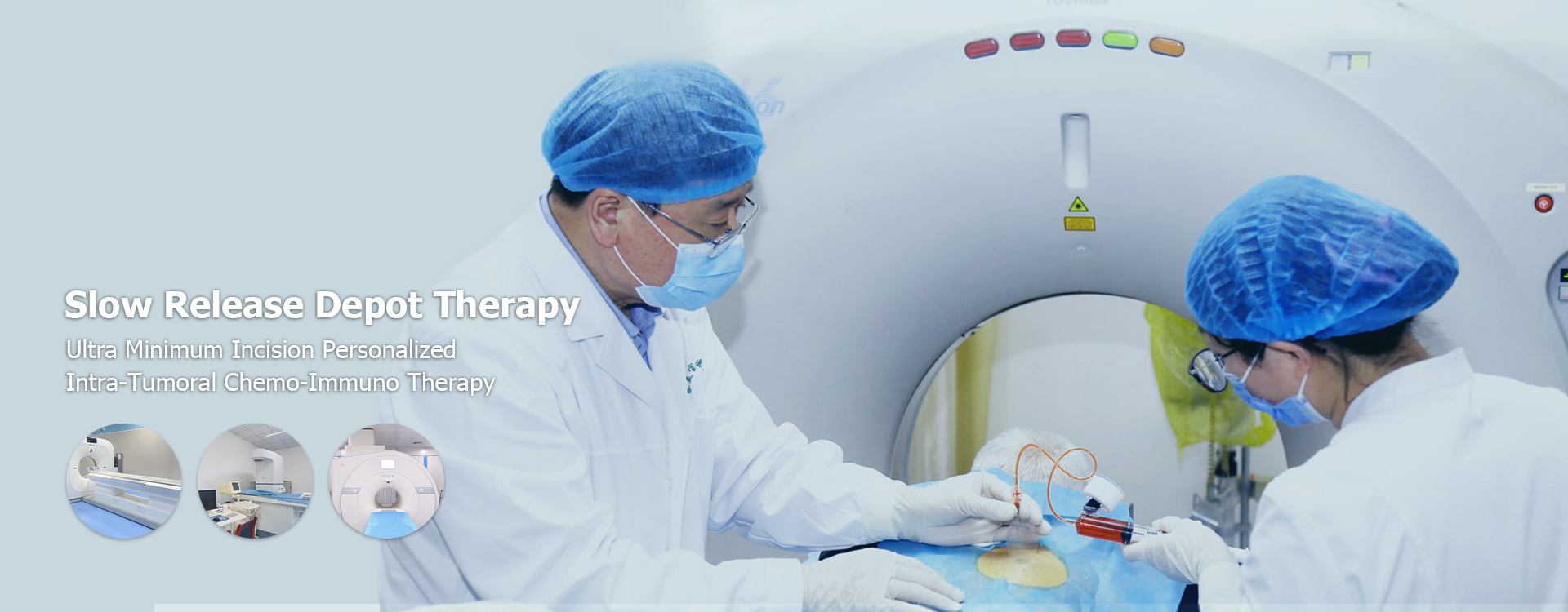
The core of Baofa’s methodology lies in its signature “Slow Release Storage Therapy,” a patented innovation invented by Professor Yubaofa that has secured invention patents in the United States, China, and Australia. This therapy, alongside other modalities like Activation Radiotherapy, Activation Chemotherapy, Ozone Therapy, Cold Fried Chinese Medicine, Immunotherapy, and Psychotherapy, represents a multi-faceted attack on cancer. The efficacy of this approach is evidenced by its success in treating over 10,000 patients from more than 30 provinces and cities across China, including Hong Kong, Macao, and Taiwan, as well as international patients from 11 countries including the US, Russia, Canada, Japan, Singapore, and South Africa. For many, these treatments have provided significant pain relief and created life-extending miracles where conventional options had failed. Recognizing the need for broader accessibility, the company further expanded its reach by establishing the Beijing Baofa Cancer Hospital in November 2012. Leveraging the capital’s strategic location, this facility ensures that patients from diverse regions can access the gospel of “Slow Release Storage Therapy” more timely and conveniently. Such integrative models demonstrate that the future of oncology may well depend on combining precise genetic targeting with systemic, whole-body supportive care.
Treatment Costs and Financial Planning for 2026 Therapies
Navigating the financial landscape of pancreatic cancer treatment in 2026 requires a clear understanding of the substantial costs involved and the resources available to manage them. The price tag for a full course of treatment varies wildly depending on the stage at diagnosis, the specific molecular profile of the tumor, and the chosen therapeutic regimen. For resectable disease, the Whipple procedure (pancreaticoduodenectomy) remains the gold standard, with hospital bills averaging between $80,000 and $150,000 in the United States alone, excluding surgeon fees and follow-up care. Source: American Cancer Society (2026) notes that complications such as leaks or infections can drive these costs even higher, sometimes exceeding $250,000. Post-surgical adjuvant chemotherapy, typically involving FOLFIRINOX or gemcitabine plus nab-paclitaxel, adds another $30,000 to $60,000 annually. These figures represent the baseline; the introduction of targeted therapies and immunotherapies for specific genetic subsets has introduced new tiers of expense. Drugs like olaparib for BRCA-mutated tumors can cost upwards of $15,000 per month, placing a immense strain on household budgets. Insurance coverage has improved with the passage of the 2025 Oncology Access Act, which caps out-of-pocket expenses for essential cancer drugs, yet gaps remain for supportive care and non-formulary medications.
Beyond direct medical bills, patients face significant indirect costs known as “financial toxicity,” which includes lost wages, transportation, lodging near treatment centers, and childcare. Many patients must travel to specialized high-volume centers to access the latest clinical trials or complex surgeries, incurring thousands in travel expenses. We advise families to establish a dedicated health savings account early and to consult with hospital financial counselors immediately upon diagnosis. Most major cancer centers now employ navigators specifically trained to help patients apply for grants, co-pay assistance programs, and pharmaceutical patient assistance foundations. Ignoring these resources can lead to unnecessary debt and treatment abandonment. The cost of advanced diagnostic testing, such as whole-genome sequencing and liquid biopsies, has decreased but still ranges from $2,000 to $5,000 per test. While these tests guide life-saving treatment decisions, patients must verify insurance pre-authorization to avoid surprise bills. In 2026, value-based care models are gaining traction, tying reimbursement to patient outcomes rather than service volume, which may eventually drive down overall costs. However, until these systems mature, patients must remain vigilant advocates for their financial well-being. Transparency in pricing is improving, but it still requires proactive inquiry to uncover the true cost of care.
Global disparities in treatment access further complicate the cost equation, with patients in developing nations facing limited options and catastrophic out-of-pocket expenditures. Even in countries with universal healthcare, wait times for specialized pancreatic surgery can be prohibitive, prompting some to seek private care abroad. The rise of medical tourism for pancreatic cancer has created a niche market, though it carries risks regarding continuity of care and complication management. We emphasize that the cheapest option is rarely the best when dealing with such a complex malignancy; surgical volume and surgeon experience correlate directly with survival rates. Choosing a low-cost provider with limited experience can result in incomplete resections or severe complications, ultimately costing more in the long run. Patients should prioritize centers of excellence that participate in multidisciplinary tumor boards and clinical trials. Financial planning is not a secondary concern but an integral part of the treatment strategy. Families who prepare financially report lower stress levels and better adherence to treatment protocols. Open conversations about money between doctors and patients are becoming more common, breaking the taboo that often prevents timely intervention. Addressing the economic burden head-on ensures that financial constraints do not dictate clinical outcomes.
常见问题(FAQ)
What are the earliest warning signs of pancreatic cancer?
Early symptoms are often vague and easily mistaken for less serious conditions, including unexplained weight loss, loss of appetite, and mild abdominal discomfort that radiates to the back. New-onset diabetes in individuals over fifty, especially without a family history or obesity, serves as a critical red flag that warrants immediate investigation. Jaundice, characterized by yellowing of the skin and eyes, typically appears later when the tumor blocks the bile duct.
How much does pancreatic cancer screening cost for high-risk individuals?
For high-risk individuals enrolled in surveillance programs, annual screening using MRI or Endoscopic Ultrasound (EUS) typically costs between $1,500 and $3,000 per session, though many insurance plans now cover this fully for those with documented genetic mutations. Genetic testing panels range from $250 to $2,500 depending on the breadth of the analysis and the laboratory used. Patients should verify coverage with their providers, as preventative screening mandates have expanded significantly in 2026.
Can lifestyle changes reverse the risk of developing pancreatic cancer?
While you cannot change your genetic makeup, adopting a healthy lifestyle can significantly reduce your overall risk and slow the progression of precancerous lesions. Quitting smoking, maintaining a healthy weight, and limiting alcohol intake lower systemic inflammation and reduce the metabolic stress on the pancreas. These changes do not guarantee prevention but shift the odds favorably by removing key environmental triggers.
Is pancreatic cancer curable if caught early?
Yes, if detected while still localized and resectable, surgical removal offers the only potential for cure, with five-year survival rates reaching 40% to 50% in optimal scenarios. Early detection allows for complete surgical resection followed by adjuvant chemotherapy, which eradicates microscopic disease remaining after surgery. Unfortunately, only about 15% to 20% of patients present with resectable disease at the time of diagnosis, highlighting the need for better screening tools.
What is the average survival rate for metastatic pancreatic cancer in 2026?
The median survival for metastatic pancreatic cancer has improved slightly to approximately 12 to 18 months with modern combination chemotherapy regimens and targeted therapies for specific mutations. Some patients with favorable molecular profiles who respond exceptionally well to treatment may survive several years, transforming the disease into a manageable chronic condition temporarily. Individual outcomes vary widely based on performance status, tumor biology, and access to cutting-edge clinical trials.
Conclusion: Taking Action Against a Silent Threat
The landscape of pancreatic cancer causes is shifting rapidly, driven by deeper genetic insights and a clearer understanding of environmental triggers. We have moved past the era of fatalism; today, knowledge empowers patients to take proactive steps toward prevention and early detection. Recognizing the signs, understanding your genetic risk, and making informed lifestyle choices constitute the first line of defense against this aggressive disease. Furthermore, exploring diverse therapeutic avenues, including innovative integrated approaches like those pioneered by organizations such as Shandong Baofa, offers additional hope for managing complex cases. The financial implications of treatment are steep, but strategic planning and utilization of available resources can mitigate the economic burden on families. We urge anyone with a family history or concerning symptoms to seek specialized evaluation immediately, as time remains the most critical variable in the equation of survival. Medical science continues to advance, offering new hope through personalized therapies, earlier diagnostic capabilities, and holistic care models. Your health journey requires partnership, vigilance, and the courage to ask difficult questions. By staying informed and engaged, you transform uncertainty into actionable strategy. Let this information serve as your foundation for building a healthier future and advocating for the best possible care.