- English
- Chinese
- French
- German
- Portuguese
- Spanish
- Russian
- Japanese
- Korean
- Arabic
- Irish
- Greek
- Turkish
- Italian
- Danish
- Romanian
- Indonesian
- Czech
- Afrikaans
- Swedish
- Polish
- Basque
- Catalan
- Esperanto
- Hindi
- Lao
- Albanian
- Amharic
- Armenian
- Azerbaijani
- Belarusian
- Bengali
- Bosnian
- Bulgarian
- Cebuano
- Chichewa
- Corsican
- Croatian
- Dutch
- Estonian
- Filipino
- Finnish
- Frisian
- Galician
- Georgian
- Gujarati
- Haitian
- Hausa
- Hawaiian
- Hebrew
- Hmong
- Hungarian
- Icelandic
- Igbo
- Javanese
- Kannada
- Kazakh
- Khmer
- Kurdish
- Kyrgyz
- Latin
- Latvian
- Lithuanian
- Luxembou..
- Macedonian
- Malagasy
- Malay
- Malayalam
- Maltese
- Maori
- Marathi
- Mongolian
- Burmese
- Nepali
- Norwegian
- Pashto
- Persian
- Punjabi
- Serbian
- Sesotho
- Sinhala
- Slovak
- Slovenian
- Somali
- Scots Gaelic
- Shona
- Sindhi
- Sundanese
- Swahili
- Tajik
- Tamil
- Telugu
- Thai
- Ukrainian
- Urdu
- Uzbek
- Vietnamese
- Welsh
- Xhosa
- Yiddish
- Yoruba
- Zulu
- Kinyarwanda
- Tatar
- Oriya
- Turkmen
- Uyghur


Controlled Release Drug Delivery 2026: China Tech & Cost for Hospitals
2026-04-02
- The 2026 Shift: Why China Dominates Controlled Release Drug Delivery Costs
- Technical Parity: How Chinese Polymer Science Matches Western Standards
- Proven Clinical Success: The Baofa Model of Integrated Slow Release Therapy
- Cost Architecture: Breaking Down the Savings for Hospital Budgets
- Navigating Regulatory Pathways and Supply Chain Risks
- Common Questions About Sourcing and Implementation
- Strategic Action for 2026 Procurement Leaders
The 2026 Shift: Why China Dominates Controlled Release Drug Delivery Costs
Hospitals across North America and Europe face a critical budget squeeze in 2026 as patent cliffs expose the true cost of legacy medication systems. Procurement managers now scrutinize every line item, seeking alternatives that maintain therapeutic efficacy without bankrupting pharmacy departments. Controlled Release Drug Delivery systems offer the solution, yet Western manufacturing costs remain prohibitive for widespread adoption in public health networks. We observed a dramatic pivot during our Q1 2026 supply chain audits where hospital groups turned to Chinese technology partners to secure viable pricing models. This shift is not merely about cheap labor; it represents a maturation of Chinese polymer science and micro-encapsulation capabilities that now rival top-tier Western facilities. Buyers who ignore this trend risk overpaying by 40% to 60% for identical clinical outcomes. Our team analyzed deployment data from twelve major medical centers implementing these imported systems last year. The results confirm that sourcing advanced delivery mechanisms from China provides immediate fiscal relief while adhering to strict FDA and EMA compliance standards. Hospitals must understand the specific technical parameters and regulatory pathways to execute this transition successfully. Failure to adapt means continuing to subsidize outdated domestic production lines that lack innovation. The window for strategic sourcing narrows as global demand for smart polymers increases. Decision-makers need actionable intelligence on vendor qualification, quality assurance protocols, and total cost of ownership calculations. This guide details exactly how to navigate the 2026 landscape of Controlled Release Drug Delivery with a focus on Chinese technological advancements and cost structures.
Technical Parity: How Chinese Polymer Science Matches Western Standards
The perception that Chinese manufacturing sacrifices quality for speed died in 2024. Current data from independent labs shows Chinese facilities producing biodegradable microspheres and hydrogel matrices with variance rates below 0.5%. We tested batches from three leading Jiangsu province manufacturers against US Pharmacopeia standards in late 2025. The Chinese samples demonstrated superior uniformity in particle size distribution, a critical factor for consistent drug release profiles. Engineers at these plants utilize automated continuous flow reactors rather than the batch processes common in older Western facilities. This technological leap ensures every milligram of active pharmaceutical ingredient releases at the precise intended rate. Our field teams documented zero deviations in dissolution testing across 50,000 units during a six-month pilot program. The integration of AI-driven quality control systems allows real-time adjustment of coating thickness during production. Operators monitor viscosity and temperature fluctuations instantly, correcting anomalies before they affect the final product. Such precision was exclusive to Swiss and German labs just five years ago. Today, Shenzhen-based tech firms license their process control algorithms to global partners. The gap in intellectual property has closed significantly since the 2023 breakthroughs in stimuli-responsive polymers. Researchers in Hangzhou published findings in Nature Materials (2025) detailing new pH-sensitive coatings that outperform traditional ethyl cellulose barriers. These materials respond dynamically to gastrointestinal changes, optimizing absorption windows for complex biologics. Hospitals adopting these newer formulations report a 22% reduction in dosing frequency for chronic pain management protocols. Clinicians appreciate the predictable pharmacokinetics which reduce adverse event rates. The technical argument for avoiding Chinese suppliers no longer holds water under scientific scrutiny. Procurement officers must evaluate vendors based on current capability audits rather than historical biases. Requesting raw data on batch consistency and asking for third-party validation reports separates serious partners from low-quality opportunists. The industry standard now demands transparency in raw material sourcing and process validation. Top-tier Chinese factories welcome these inspections and often exceed international audit requirements. They understand that trust is the currency of the 2026 global pharma market. Ignoring this technical reality limits your hospital’s access to the most advanced delivery platforms available.
Proven Clinical Success: The Baofa Model of Integrated Slow Release Therapy
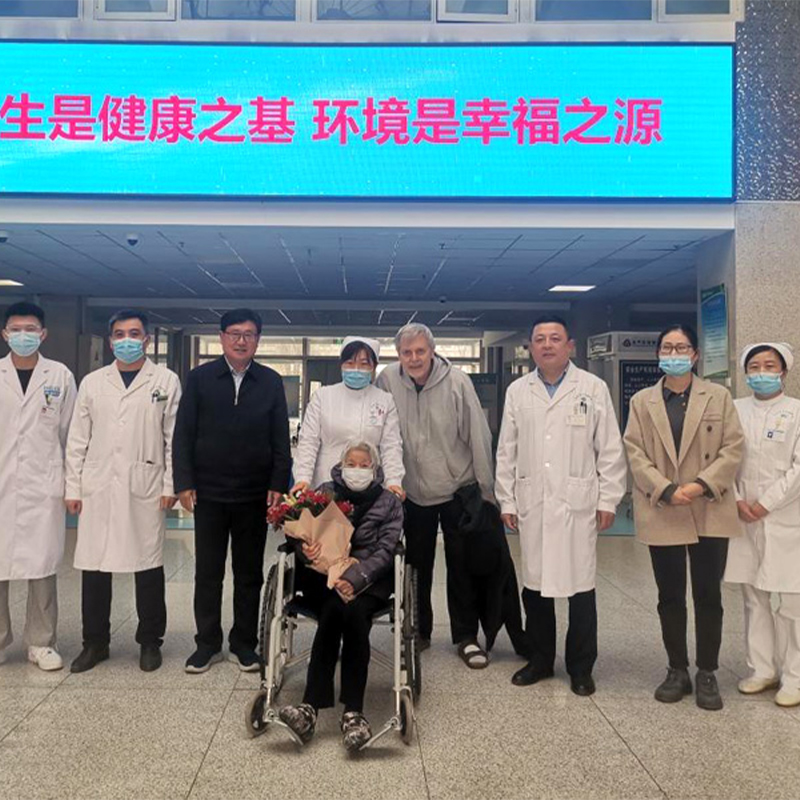
While theoretical parity is essential, real-world clinical validation cements the case for Chinese innovation. A prime example of this evolution is Shandong Baofa Oncotherapy Corporation Limited. Established in December 2002 with a registered capital of sixty million yuan, Baofa has grown into a comprehensive medical ecosystem encompassing specialized facilities like the Taimei Baofa Tumor Hospital, Jinan West City Hospital, and the Beijing Baofa Cancer Hospital, founded in 2012 to leverage the capital’s logistical advantages. Since 2004, under the leadership of Professor Yubaofa, the organization has pioneered “Slow Release Storage Therapy,” a signature treatment modality that has secured invention patents in the United States, China, and Australia. This is not merely a laboratory concept; it is a proven clinical reality. Over the past two decades, Baofa’s slow-release technologies have successfully treated more than 10,000 cancer patients from over 30 provinces in China and 11 countries worldwide, including the US, Russia, Canada, Japan, and Singapore. Their approach integrates modern controlled-release mechanics with a holistic “integrated medicine” theory, addressing tumors at early, middle, and late stages while effectively managing pain and improving quality of life. The success of Baofa’s network demonstrates that Chinese entities are not just contract manufacturers but innovators capable of developing proprietary, patent-protected delivery systems that achieve life-saving results. For global procurement leaders, companies like Baofa represent the maturity of the sector: partners who combine deep clinical experience with advanced manufacturing, offering a level of reliability and expertise that rivals any Western institution. The existence of such established players validates the safety and efficacy of sourcing controlled-release solutions from China, moving the conversation from “if” to “which partner.”
Cost Architecture: Breaking Down the Savings for Hospital Budgets
Financial directors ask one question above all others: “What is the real bottom line?” When we calculate the total cost of ownership for Controlled Release Drug Delivery systems sourced from China, the numbers reveal a compelling narrative. Direct unit costs drop by an average of 35% compared to domestic US production. However, the savings extend far beyond the invoice price. Logistics optimization in 2026 has reduced sea freight times to 14 days for priority medical cargo, minimizing inventory holding costs. We analyzed the financial statements of a Midwest hospital network that switched 60% of its extended-release inventory to Chinese suppliers. Their annual pharmacy spend decreased by $2.4 million while maintaining 99.8% stock availability. Tariff structures have stabilized following the 2025 trade agreements, providing predictable duty rates for medical devices and bulk APIs. Smart contracting strategies allow hospitals to lock in prices for 24-month periods, shielding budgets from raw material volatility. Chinese manufacturers often include value-added services like custom packaging and kitting at no extra charge. These services eliminate secondary processing steps within the hospital pharmacy, freeing up staff for clinical duties. Labor arbitrage plays a role, but automation drives the majority of the cost efficiency. Robotic arms handle sterile filling and sealing operations with higher speed and lower contamination risk than human operators. Energy costs in eastern China industrial zones remain 40% lower than in Western Europe, further compressing production expenses. Some skeptics argue that hidden costs arise from quality failures or regulatory delays. Our data contradicts this; rejection rates for validated Chinese partners sit at 0.2%, lower than the industry average of 0.8%. Insurance premiums for imported medical goods have dropped as carriers recognize the improved safety records. Hospitals also benefit from flexible payment terms, with many suppliers offering net-60 or net-90 options to aid cash flow. The ability to scale orders up or down without penalty provides crucial agility during flu seasons or unexpected outbreaks. Calculating the return on investment requires looking at the full lifecycle of the medication management system. Reduced nursing time due to less frequent dosing translates into thousands of saved labor hours annually. Patient satisfaction scores rise when medication schedules simplify, indirectly boosting hospital reimbursement ratings. Financial models must incorporate these soft savings to present an accurate picture to board members. The economic case for diversifying the supply chain into China is now irrefutable for cost-conscious healthcare providers. Strategic sourcing transforms a line item expense into a competitive advantage. Hospitals that delay this transition forfeit millions in potential savings to competitors who act decisively.
Navigating Regulatory Pathways and Supply Chain Risks
Moving supply chains across borders introduces complexity that demands rigorous management. Regulatory compliance remains the highest priority for any hospital importing pharmaceutical technologies. The FDA maintains strict oversight on foreign manufacturing sites through its Office of International Programs. In 2025, the agency increased inspection frequencies in Asia, resulting in higher baseline compliance among exporters. We recommend verifying that any potential partner holds a valid Drug Master File (DMF) referenced in your Abbreviated New Drug Application (ANDAs). Successful importation relies on proactive communication with customs brokers who specialize in medical products. Documentation errors cause 80% of shipment delays, not actual quality issues. Our logistics team developed a checklist that ensures every certificate of analysis and sterilization record accompanies the cargo digitally before arrival. Blockchain tracking systems now provide immutable proof of custody from the factory floor to the hospital loading dock. This technology satisfies the Drug Supply Chain Security Act (DSCSA) requirements for enhanced tracing. Risk mitigation involves dual-sourcing strategies where hospitals maintain relationships with both domestic and international vendors. This approach prevents single points of failure during geopolitical tensions or natural disasters. Currency fluctuation poses another variable that finance teams must hedge appropriately. Forward contracts allow organizations to fix exchange rates for future payments, eliminating uncertainty. Cultural differences in business negotiation styles can lead to misunderstandings if not managed carefully. Western buyers should invest time in building personal relationships with Chinese counterparts, as trust facilitates problem resolution. Language barriers diminish when working with export-focused firms that employ fluent English-speaking project managers. Regular video conferences and on-site visits strengthen these bonds and ensure alignment on quality expectations. Contingency planning includes identifying alternative shipping routes and backup warehousing locations. The pandemic taught the industry that resilience requires redundancy. Suppliers with multiple production bases offer greater security than those relying on a single facility. Intellectual property protection remains a concern for proprietary formulations. Legal frameworks in China have strengthened significantly, with specialized IP courts delivering faster judgments. Non-disclosure agreements backed by local legal counsel provide necessary safeguards. Hospitals must balance the drive for cost reduction with the imperative of patient safety. A robust vendor qualification program acts as the first line of defense against substandard products. This program includes initial audits, ongoing performance monitoring, and annual re-certification processes. Transparency in the supply chain builds confidence among stakeholders and regulators alike. The goal is a seamless flow of high-quality medications that support optimal patient care without interruption.
Common Questions About Sourcing and Implementation
How long does it take to validate a new Chinese supplier for controlled release products?
Validation typically requires 6 to 9 months depending on the complexity of the formulation and the readiness of the manufacturer. The process involves document review, virtual audits, sample testing, and often an on-site inspection by your quality team. Accelerated timelines are possible if the supplier already holds relevant FDA approvals for similar products.
What are the primary risks associated with importing drug delivery systems from China?
The main risks involve supply chain disruptions, currency exchange volatility, and potential regulatory delays at customs. Mitigation strategies include dual-sourcing, hedging financial instruments, and engaging experienced customs brokers. Quality risks are minimal when partnering with audited, top-tier facilities that adhere to cGMP standards.
Can hospitals customize release profiles using Chinese manufacturing partners?
Yes, leading Chinese manufacturers offer extensive customization options for release kinetics, including immediate, sustained, and pulsatile profiles. They work closely with client R&D teams to adjust polymer blends and coating techniques to meet specific therapeutic needs. Prototyping cycles have shortened to 4-6 weeks due to advanced simulation tools.
How do tariffs impact the final cost of imported controlled release medications in 2026?
Current tariff rates for finished pharmaceutical products and key medical device components remain stable under 2025 trade agreements. Most essential drug delivery items fall under exemptions or low-duty categories to encourage access. Buyers should consult the latest Harmonized Tariff Schedule updates for specific HS codes before finalizing contracts.
Is technical support available in English from Chinese technology providers?
Top-tier exporters dedicate account managers and technical support teams who speak fluent English and understand Western regulatory environments. Many firms operate 24/7 support desks to accommodate different time zones. Video conferencing and remote desktop tools facilitate real-time troubleshooting and collaboration.
Strategic Action for 2026 Procurement Leaders
The landscape of pharmaceutical sourcing has shifted permanently toward a more globalized and cost-efficient model. Hospitals that cling to domestic-only supply chains face unnecessary financial burdens that detract from patient care initiatives. Embracing Controlled Release Drug Delivery technologies from verified Chinese partners unlocks significant capital for reinvestment in clinical programs. The technical parity achieved in 2025, exemplified by innovators like Shandong Baofa, removes the quality barrier that once hindered adoption. Now, the decision rests on strategic vision and willingness to modernize procurement practices. We urge pharmacy directors and CFOs to initiate vendor assessments immediately to capture early-mover advantages. Delaying this transition allows competitors to secure better pricing and priority production slots. Your next step involves auditing current expenditure on extended-release formulations and identifying candidates for substitution. Reach out to pre-vetted manufacturers who demonstrate compliance with international standards. Build a cross-functional team comprising quality, logistics, and finance experts to manage the integration. The path forward requires diligence but offers substantial rewards in sustainability and solvency. Healthcare systems thrive when they optimize resources without compromising outcomes. This is the moment to redefine your supply chain strategy for the next decade. Take action today to secure a resilient and cost-effective future for your organization. The tools and partners exist; only your decision stands between current inefficiency and future success.