- English
- Chinese
- French
- German
- Portuguese
- Spanish
- Russian
- Japanese
- Korean
- Arabic
- Irish
- Greek
- Turkish
- Italian
- Danish
- Romanian
- Indonesian
- Czech
- Afrikaans
- Swedish
- Polish
- Basque
- Catalan
- Esperanto
- Hindi
- Lao
- Albanian
- Amharic
- Armenian
- Azerbaijani
- Belarusian
- Bengali
- Bosnian
- Bulgarian
- Cebuano
- Chichewa
- Corsican
- Croatian
- Dutch
- Estonian
- Filipino
- Finnish
- Frisian
- Galician
- Georgian
- Gujarati
- Haitian
- Hausa
- Hawaiian
- Hebrew
- Hmong
- Hungarian
- Icelandic
- Igbo
- Javanese
- Kannada
- Kazakh
- Khmer
- Kurdish
- Kyrgyz
- Latin
- Latvian
- Lithuanian
- Luxembou..
- Macedonian
- Malagasy
- Malay
- Malayalam
- Maltese
- Maori
- Marathi
- Mongolian
- Burmese
- Nepali
- Norwegian
- Pashto
- Persian
- Punjabi
- Serbian
- Sesotho
- Sinhala
- Slovak
- Slovenian
- Somali
- Scots Gaelic
- Shona
- Sindhi
- Sundanese
- Swahili
- Tajik
- Tamil
- Telugu
- Thai
- Ukrainian
- Urdu
- Uzbek
- Vietnamese
- Welsh
- Xhosa
- Yiddish
- Yoruba
- Zulu
- Kinyarwanda
- Tatar
- Oriya
- Turkmen
- Uyghur

International Expert in Pancreatic Diseases Hails Groundbreaking “Slow-Release Library Therapy” During Visit to Taimei Baofa Cancer Hospital
2025-10-24
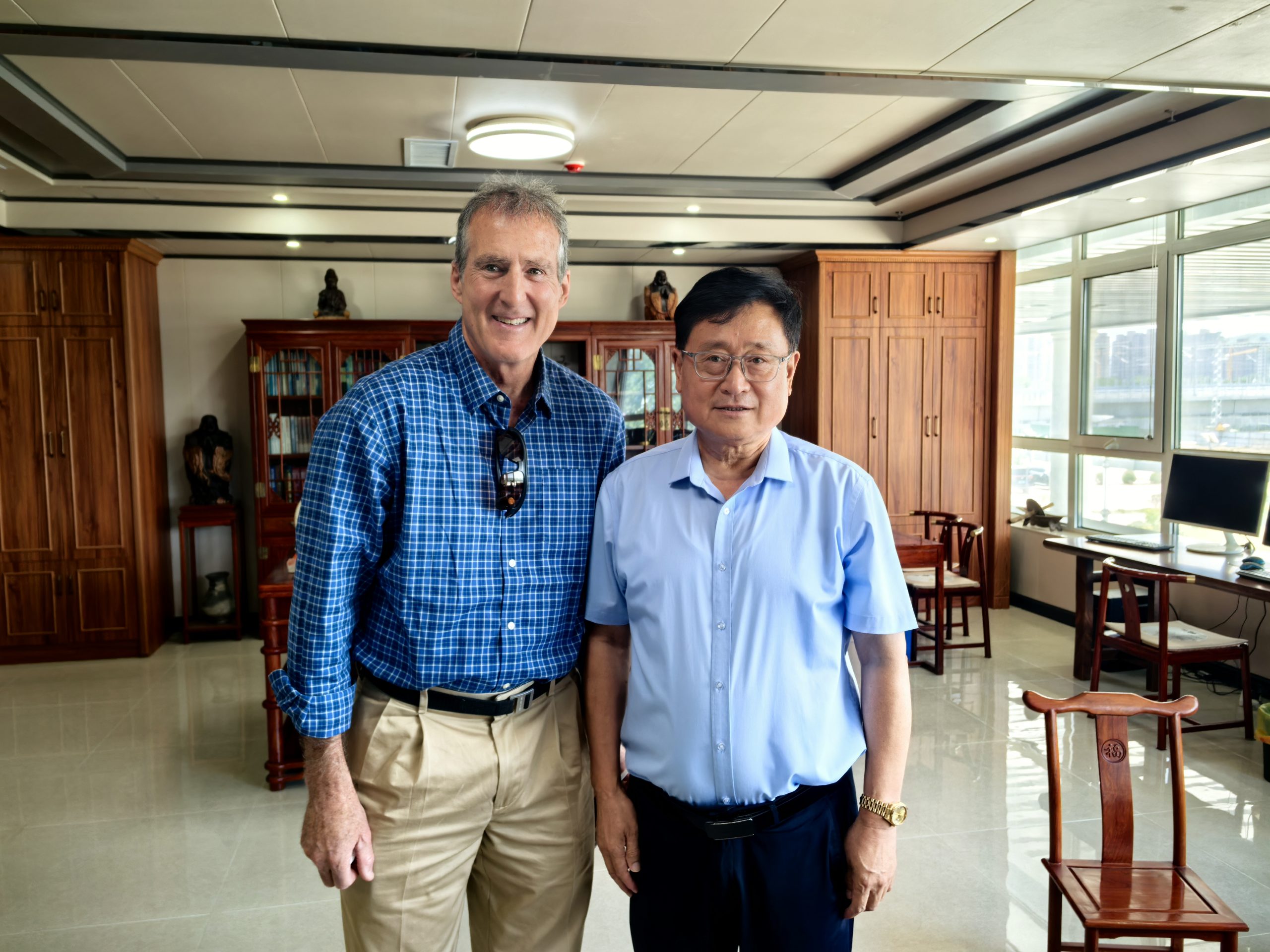
On October 21, Professor Ashok Kumar Saluja, a heavyweight expert in the field of international pancreatic disease research, specially visited Taimei Baofa Cancer Hospital. He engaged in an in-depth exchange with Professor Baofa Yu, the founder of the hospital and a foreign academician of the Russian Academy of Natural Sciences, focusing on innovative cancer treatment technologies. This visit built a critical bridge for cross-border dialogue in cancer treatment between China and the rest of the world.

As the Secretary and Treasurer of the American Pancreatic Association, former President of the International and American Pancreatic Associations, and Editor-in-Chief of the American journal Pancreas, Professor Ashok Kumar Saluja demonstrates his top-tier influence in the global field of pancreatic disease diagnosis, treatment, and basic research. His visit represents international recognition of Taimei Baofa Cancer Hospital’s commitment to innovation and practice in the field of cancer treatment.
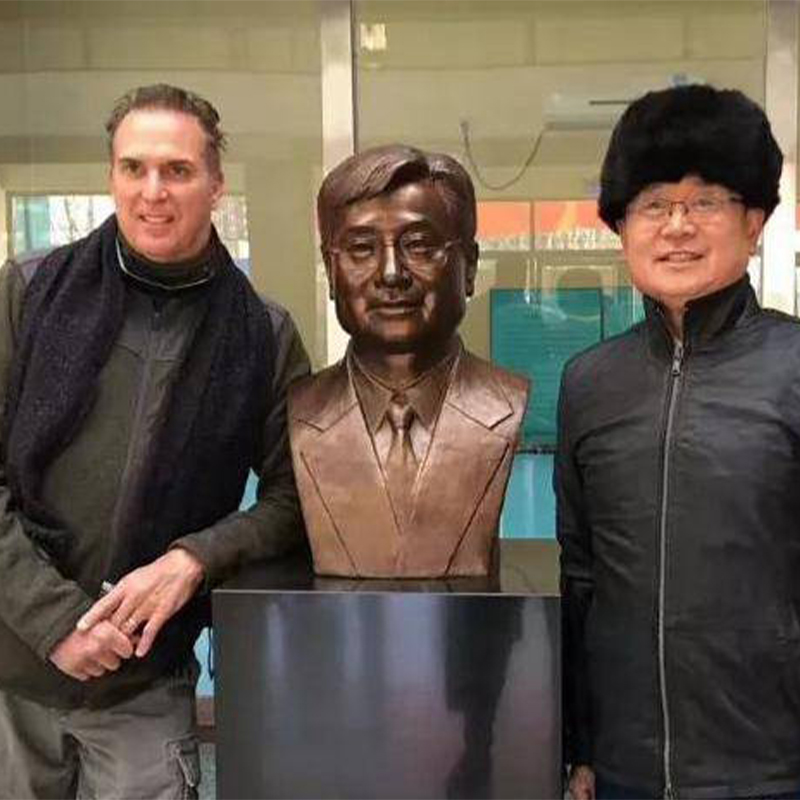
Professor Baofa Yu presented Professor Saluja with a gift—an oil portrait of Professor Saluja. Accompanied by Professor Baofa Yu, Professor Saluja toured the clinical departments of Taimei Baofa Cancer Hospital, where he warmly interacted with patients. He then visited the medical records room and was greatly impressed by the rows of neatly organized filing cabinets filled with medical records, each representing a recovered patient. The thicker the medical record, the longer the patient’s recovery time.

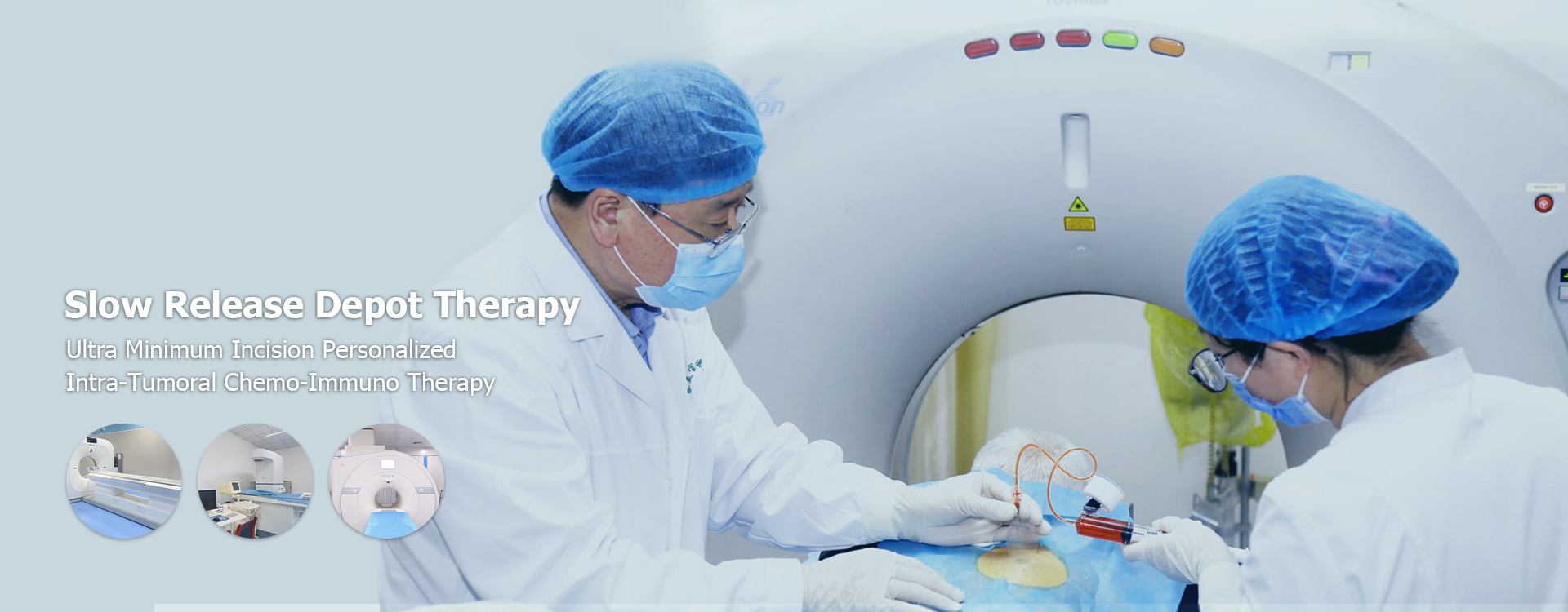
During this visit, Professor Saluja focused his attention on the hospital’s core technology—observing the “Slow-Release Library Therapy” on site. He engaged in in-depth discussions and exchanges with Professor Baofa Yuon key technical details such as the drug delivery mechanism, the killing effect of local high-concentration drug administration on tumor cells, and the activation of the body’s systemic immune system.
Professor Saluja showed strong interest in the innovative approach of “Slow-Release Library Therapy,” which embodies “precision, minimally invasive, and high efficiency,” and expressed appreciation for the potential demonstrated by this technology in the treatment of refractory tumors, especially pancreatic cancer. To provide Professor Saluja with a more comprehensive understanding of the therapeutic effects of “Slow-Release Library Therapy,” he was invited to attend a meeting of recovered friends, where he personally witnessed the clinical outcomes of the therapy.
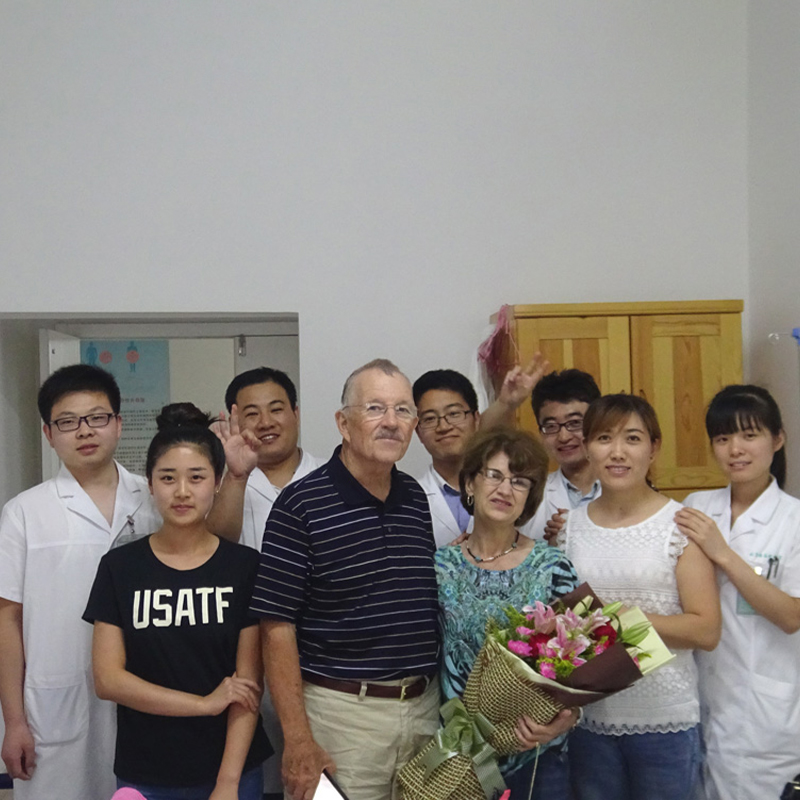
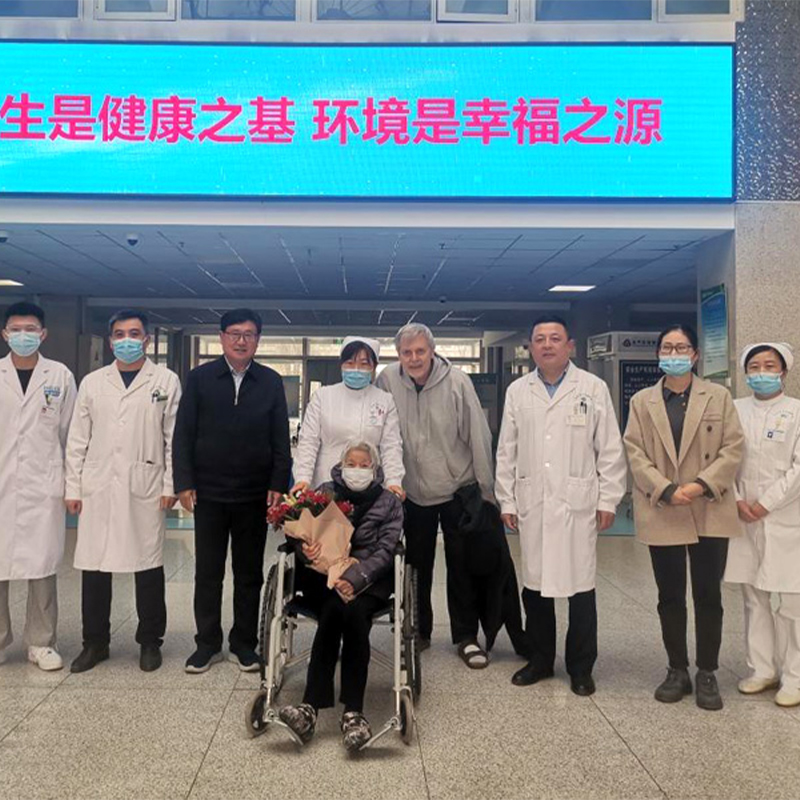
During the meeting, more than twenty patients and their family members from Heilongjiang Province, Hubei Province, Zhejiang Province, and various cities in Shandong Province shared their treatment experiences and personal journeys. Professor Saluja expressed full affirmation and recognition of Professor Yu Baofa’s long-term dedication to cancer treatment research and highly praised the innovative treatment technology, “Slow-Release Library Therapy.” Professor Saluja remarked emotionally, “Here, I have not only seen innovative technology but also witnessed the strong doctor-patient trust and a medical environment filled with humanistic care behind the technology. The positive feedback and good mental state of the patients are the most important criteria for evaluating the efficacy of ‘Slow-Release Library Therapy.’ I hope that ‘Slow-Release Library Therapy’ can benefit more patients! I wish all patients a speedy recovery.”
Professor Baofa Yu extended a warm welcome to Professor Saluja, stating, “Professor Saluja is a leading authority in international pancreatology. His visit provides us with a valuable opportunity to engage with top international academic ideas. His affirmation is the greatest encouragement to our team, which has persisted in scientific research and dedicated itself to clinical treatment for decades. We believe that ‘Slow-Release Library Therapy,’ as an important development direction in local tumor treatment, can bring hope to more cancer patients worldwide through broader international exchanges and cooperation.”

Professor Ashok Kumar Saluja’s visit and high praise not only signify international recognition of the clinical value of Slow-Release Library Therapy but also promote the alignment of this technology with international academic frontiers. This injects new momentum into the global innovation and application of cancer treatment technologies. It also indicates that in the long journey to conquer cancer, the wisdom of the East and the West is accelerating its integration, jointly illuminating the path forward.