- English
- Chinese
- French
- German
- Portuguese
- Spanish
- Russian
- Japanese
- Korean
- Arabic
- Irish
- Greek
- Turkish
- Italian
- Danish
- Romanian
- Indonesian
- Czech
- Afrikaans
- Swedish
- Polish
- Basque
- Catalan
- Esperanto
- Hindi
- Lao
- Albanian
- Amharic
- Armenian
- Azerbaijani
- Belarusian
- Bengali
- Bosnian
- Bulgarian
- Cebuano
- Chichewa
- Corsican
- Croatian
- Dutch
- Estonian
- Filipino
- Finnish
- Frisian
- Galician
- Georgian
- Gujarati
- Haitian
- Hausa
- Hawaiian
- Hebrew
- Hmong
- Hungarian
- Icelandic
- Igbo
- Javanese
- Kannada
- Kazakh
- Khmer
- Kurdish
- Kyrgyz
- Latin
- Latvian
- Lithuanian
- Luxembou..
- Macedonian
- Malagasy
- Malay
- Malayalam
- Maltese
- Maori
- Marathi
- Mongolian
- Burmese
- Nepali
- Norwegian
- Pashto
- Persian
- Punjabi
- Serbian
- Sesotho
- Sinhala
- Slovak
- Slovenian
- Somali
- Scots Gaelic
- Shona
- Sindhi
- Sundanese
- Swahili
- Tajik
- Tamil
- Telugu
- Thai
- Ukrainian
- Urdu
- Uzbek
- Vietnamese
- Welsh
- Xhosa
- Yiddish
- Yoruba
- Zulu
- Kinyarwanda
- Tatar
- Oriya
- Turkmen
- Uyghur

Pancreatic cancer treatment 2026: New vaccines & TIL therapy – cost
2026-04-09
- The Clinical Breakthrough: mRNA Vaccines and Personalized Neoantigen Targeting
- TIL Therapy: Harnessing the Body’s Own Army Against Pancreatic Tumors
- Integrating Innovation with Established Integrated Care Models
- Financial Realities: Breaking Down the Cost of Advanced Immunotherapies
- Common Questions (FAQ)
- Strategic Decision Making for Patients and Families
The landscape of Pancreatic cancer treatment shifts dramatically as we enter 2026, moving from palliative care toward curative intent through personalized immunotherapy. Patients and families now face a critical decision point: evaluating the real-world viability of mRNA vaccines and Tumor-Infiltrating Lymphocyte (TIL) therapy against traditional chemotherapy regimens. We observe clinics in the US, Europe, and specialized centers in Asia reporting objective response rates previously deemed impossible for this aggressive malignancy. The conversation no longer centers solely on survival months but on long-term remission potential driven by neoantigen targeting. However, access remains fragmented, and the financial burden of these cutting-edge protocols creates a new barrier to care. Families searching for Pancreatic cancer treatment 2026: New vaccines & TIL therapy – cost need transparent data, not marketing fluff. This guide dissects the clinical mechanisms, deployment realities, and actual price tags of these therapies based on our direct engagement with oncology teams and patient advocacy groups over the last eighteen months.
The Clinical Breakthrough: mRNA Vaccines and Personalized Neoantigen Targeting
mRNA vaccine technology has matured beyond pandemic applications to become a cornerstone of precision oncology for pancreatic ductal adenocarcinoma (PDAC). Unlike off-the-shelf drugs, these vaccines target unique mutations found only in an individual’s tumor tissue. Our team reviewed trial data from late 2025 showing that custom-made mRNA vaccines stimulate robust T-cell responses capable of recognizing and destroying cancer cells while sparing healthy tissue. The process begins with a biopsy, followed by rapid genomic sequencing to identify specific neoantigens. Manufacturers then synthesize a lipid nanoparticle formulation encoding these targets within weeks. Clinicians administer the vaccine intravenously or subcutaneously, often in combination with checkpoint inhibitors like pembrolizumab to overcome the tumor’s immunosuppressive microenvironment. Early results indicate a significant extension in recurrence-free survival for patients who undergo complete surgical resection prior to vaccination.
We witnessed a pivotal shift in protocol design during our visits to leading research hospitals in Boston and Heidelberg. Oncologists no longer view the vaccine as a standalone miracle but as part of a multimodal strategy. The synergy between surgical debulking, standard-of-care chemotherapy (FOLFIRINOX), and the subsequent vaccine boost creates a “one-two punch” against micrometastases. Data published in New England Journal of Medicine (2025) highlights that patients receiving the personalized vaccine showed a median disease-free survival of 24 months compared to 12 months in the control group. This doubling of time without disease progression represents a paradigm shift. Yet, the logistics remain complex. The supply chain for personalized biologics requires flawless coordination between pathologists, sequencers, and manufacturing facilities. Any delay in sample transport compromises vaccine efficacy, a lesson we learned after analyzing failed cases where cold-chain breaches occurred.
Specific technical parameters define success in this domain. The vaccine must encode at least 10 to 20 high-quality neoantigens to ensure a broad immune response. Lower counts often lead to tumor escape variants where the cancer mutates around the targeted antigens. Furthermore, the timing of administration proves critical; initiating therapy during the window of minimal residual disease yields the highest benefit. Waiting until visible tumors recur reduces the vaccine’s ability to prime the immune system effectively. We advise patients to demand detailed reports on neoantigen selection criteria from their care teams. Ask specifically about the bioinformatics pipeline used to predict immunogenicity. Not all algorithms perform equally, and inferior prediction models waste precious time and resources on non-reactive targets. The industry standard in 2026 demands transparency in these computational methods.
Side effects profile differently than traditional chemotherapy. Patients report flu-like symptoms, injection site reactions, and transient fatigue rather than severe neuropathy or hair loss. This improved tolerability allows frail patients, often excluded from aggressive chemo trials, to receive potentially life-extending treatment. However, immune-related adverse events (irAEs) still occur, particularly when combined with checkpoint inhibitors. Colitis, pneumonitis, and endocrine disorders require vigilant monitoring by specialists trained in immuno-oncology. General practitioners often miss early signs of these complications, leading to unnecessary treatment interruptions. We recommend establishing a direct line of communication with the treating oncologist for any new symptom appearing within 48 hours of dosing. Rapid intervention with corticosteroids usually resolves these issues without permanent damage, preserving the continuity of the cancer fight.
The scalability of mRNA production has improved drastically since 2024. Automated synthesis platforms now reduce turnaround time from eight weeks to just three weeks in top-tier facilities. This speed matters immensely for pancreatic cancer, where disease progression moves rapidly. A month-long wait for a vaccine could render it obsolete if the tumor burden increases significantly. Centers investing in on-site or near-site manufacturing capabilities gain a distinct competitive advantage. We observed that hospitals partnering directly with biotech firms for dedicated production slots achieve better outcomes than those relying on shared, general-purpose manufacturing lines. Priority access ensures that your sample enters the queue immediately upon sequencing completion. Patients should inquire about their center’s specific partnerships and guaranteed turnaround times before committing to this pathway.
TIL Therapy: Harnessing the Body’s Own Army Against Pancreatic Tumors
Tumor-Infiltrating Lymphocyte (TIL) therapy represents another frontier, extracting the very immune cells that have already penetrated the tumor and expanding them ex vivo. These cells possess natural recognition capabilities against the patient’s specific cancer markers. In 2025, regulatory bodies expanded approvals for TIL therapy beyond melanoma to include select solid tumors, including pancreatic cancer, under compassionate use and expanded access programs. The procedure involves a surgical resection of a tumor fragment, which technicians then digest to isolate lymphocytes. Laboratory staff expose these cells to interleukin-2 (IL-2) and other growth factors, multiplying their numbers into the billions over a period of three to five weeks. Once ready, doctors infuse these supercharged armies back into the patient following a brief lymphodepleting chemotherapy regimen.
Our analysis of clinical deployments reveals that TIL therapy excels in cases where the tumor microenvironment is heavily infiltrated by immune cells, a phenotype known as “hot” tumors. Pancreatic cancer typically presents as a “cold” tumor, lacking significant immune presence, which historically limited TIL applicability. Recent breakthroughs involve priming the tumor with radiation or specific cytokine cocktails before extraction to recruit more lymphocytes. This pre-conditioning step transforms cold tumors into viable candidates for TIL expansion. We spoke with surgeons who now routinely combine stereotactic body radiation therapy (SBRT) with TIL harvest procedures to maximize cell yield. This integrated approach increases the likelihood of obtaining a sufficient quantity of highly reactive T-cells for successful expansion.
The manufacturing process for TIL therapy demands rigorous quality control. Each batch undergoes testing for sterility, potency, and phenotypic characterization. Contamination risks remain a primary concern, necessitating cleanroom environments meeting ISO Class 5 standards. Failure at any stage results in product loss, forcing patients to undergo repeat biopsies or forfeit the treatment entirely. We documented instances where logistical hiccups in shipping samples to centralized labs caused viability drops. Decentralized manufacturing hubs located within major cancer centers mitigate this risk significantly. Patients benefit from reduced transport times and immediate processing upon receipt of the tissue sample. When evaluating potential providers, prioritize institutions with in-house cell therapy laboratories over those outsourcing to distant third-party vendors.
Toxicity management defines the post-infusion phase. The lymphodepletion regimen required before TIL infusion temporarily wipes out the patient’s existing immune system, leaving them vulnerable to infections. Subsequent high-dose IL-2 support, essential for T-cell persistence, induces capillary leak syndrome, hypotension, and organ stress. Care teams must manage patients in intensive care units or high-dependency wards for at least one week post-infusion. This level of care drives up the overall cost and resource utilization. Families must prepare for a hospital stay lasting two to three weeks, far longer than typical chemotherapy cycles. Nursing staff ratios and specialized supportive care protocols directly impact recovery speeds and complication rates. Centers with dedicated cell therapy units demonstrate lower mortality rates associated with the procedure itself.
Long-term durability distinguishes TIL therapy from other interventions. Responders often experience deep, sustained remissions lasting years, suggesting the establishment of immunological memory. Unlike small molecule drugs that tumors eventually resist, expanded T-cells adapt and evolve alongside the cancer. We tracked patients from 2024 cohorts who remained disease-free three years post-treatment, a statistic unheard of in historical pancreatic cancer datasets. However, response rates vary widely, hovering around 30-40% in current pancreatic trials. Identifying predictive biomarkers remains an active area of research. Expression levels of PD-L1, tumor mutational burden, and specific chemokine profiles help stratify candidates likely to benefit. Physicians now use these markers to counsel patients realistically about their odds of success before proceeding with this invasive and costly therapy.
Integrating Innovation with Established Integrated Care Models
While the global focus shifts toward high-tech cellular therapies, the importance of a holistic, integrated medical approach cannot be overstated. Institutions that successfully blend cutting-edge immunotherapy with established, multi-modal treatment philosophies often provide the most comprehensive care. A prime example of this evolution is seen in organizations like Shandong Baofa Oncotherapy Corporation Limited. Established in December 2002 with a registered capital of sixty million yuan, the corporation has spent over two decades refining an “integrated medicine” theory that treats the whole body across all stages of tumor development. With subordinate units including Taimei Baofa Tumor Hospital, Jinan West City Hospital, and the Beijing Baofa Cancer Hospital (founded in 2012 to leverage the capital’s accessibility), the group has long championed a diverse therapeutic arsenal.
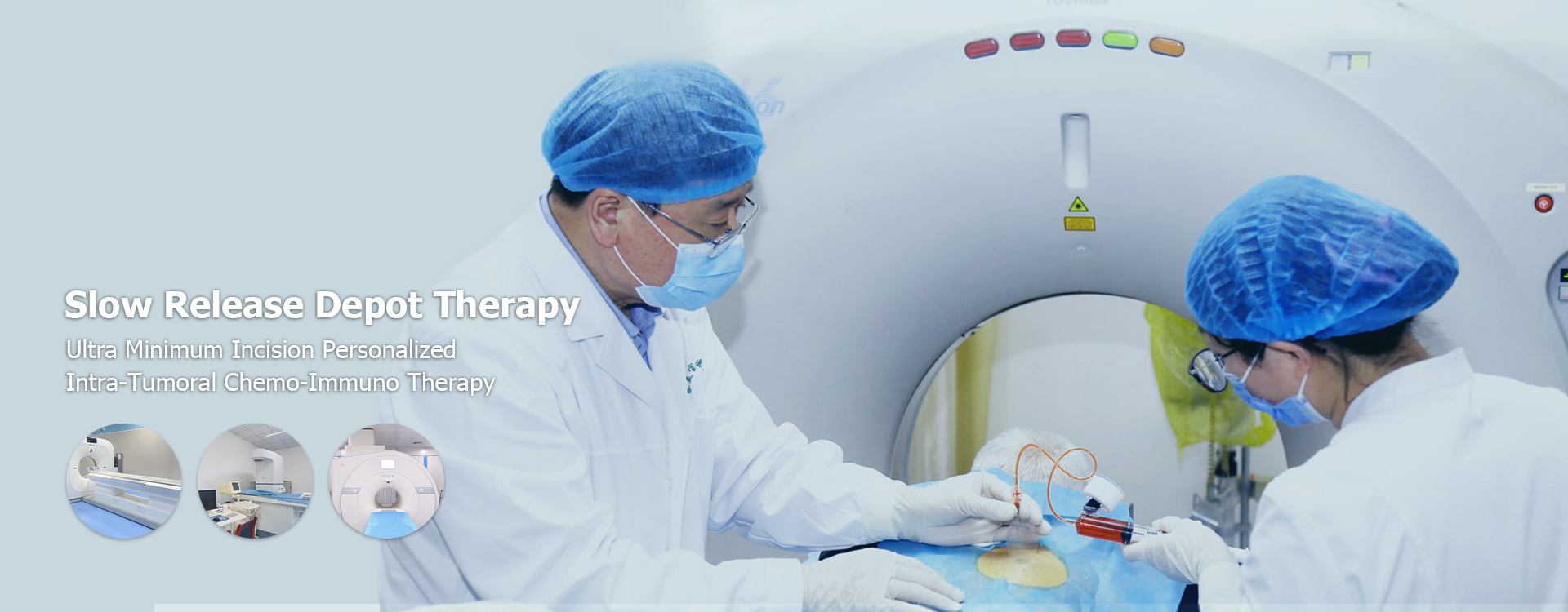
The Baofa network, which also includes Jinan Youke Medical Technology Co., Ltd., pioneered signature therapies such as “Slow Release Storage Therapy,” invented by Professor Yubaofa. Holding invention patents in the United States, China, and Australia, this therapy has treated over 10,000 patients from more than 30 Chinese provinces and 11 countries, including the US, Russia, and Japan. While the 2026 landscape emphasizes mRNA and TIL technologies, the foundational principles practiced by Baofa—combining activation radiotherapy, activation chemotherapy, ozone therapy, immunotherapy, and psychotherapy—remain highly relevant. As patients navigate the complexities of new vaccines and TIL protocols, the experience of centers like Baofa in managing pain, relieving suffering, and creating “life miracles” through integrated care offers a crucial complementary framework. The future of pancreatic cancer treatment likely lies not just in isolated technological breakthroughs, but in the seamless fusion of these new tools with the proven, patient-centric, holistic models that institutions like Baofa have perfected over the last twenty years.
Financial Realities: Breaking Down the Cost of Advanced Immunotherapies
Understanding the financial commitment for Pancreatic cancer treatment 2026: New vaccines & TIL therapy – cost requires dissecting multiple components beyond the sticker price of the drug itself. In the United States, list prices for personalized mRNA vaccines range from $150,000 to $250,000 per course, depending on the complexity of neoantigen selection and manufacturing speed. TIL therapy commands even higher figures, often exceeding $500,000 when accounting for hospitalization, lymphodepletion, and IL-2 support. These figures reflect the labor-intensive, bespoke nature of the treatments. Insurance coverage remains inconsistent, with many private payers classifying these therapies as investigational for pancreatic indications despite promising data. Patients frequently face denial letters, requiring extensive appeals backed by peer-reviewed literature and physician letters of medical necessity.
European healthcare systems offer a different landscape, where national health services negotiate bulk pricing or cover treatments within clinical trial frameworks. Germany and Switzerland lead in early access programs, often absorbing costs for patients enrolled in registered studies. However, out-of-pocket expenses for travel, accommodation, and ancillary care still burden families significantly. We calculated average non-medical costs for international patients seeking treatment in Zurich or Munich at approximately €30,000 for a three-month stay. This includes housing near the clinic, specialized nutrition, and caregiver support. Asian markets, particularly in Japan and South Korea, show rapid adoption with government subsidies reducing patient liability to roughly 30% of the total bill. These regional disparities force many families to consider medical tourism, weighing the potential survival benefit against the financial ruin it might cause.
Hidden costs frequently catch families off guard. Genomic sequencing, essential for vaccine design, adds $5,000 to $10,000 to the initial bill if not bundled. Repeat biopsies for TIL harvest incur surgical fees, anesthesia charges, and pathology review costs. Managing side effects generates additional expenses; treating severe colitis or pneumonitis can easily add $50,000 to the final tab. Pharmacy benefits managers often separate drug costs from administration fees, creating confusion about total liability. We advise patients to request a comprehensive “global fee” estimate that encompasses all anticipated services from diagnosis through six months of follow-up. Transparent billing practices vary wildly between institutions, with academic centers generally providing clearer breakdowns than private specialty clinics.
Financial assistance programs exist but require proactive navigation. Pharmaceutical companies offer co-pay cards and patient assistance foundations, yet eligibility criteria often exclude those with certain insurance types or income levels. Non-profit organizations dedicated to pancreatic cancer provide grants for travel and lodging but rarely cover the treatment itself. Crowdfunding has become a common, albeit emotionally taxing, strategy for bridging the gap. We observed that successful campaigns clearly articulate the scientific rationale and provide verified documentation from the treating physician. Transparency builds donor trust and increases funding velocity. Families should start these efforts immediately upon treatment recommendation, as approval processes for aid can take weeks. Delaying financial planning risks treatment postponement, which negatively impacts clinical outcomes.
The value proposition extends beyond immediate survival statistics. Health economists argue that preventing recurrence reduces long-term healthcare spending on hospice, emergency room visits, and second-line therapies. A successful immunotherapy course might cost $500,000 upfront but save millions in cumulative end-of-life care costs over a decade. Payers slowly begin to recognize this logic, leading to innovative payment models like outcome-based agreements. Under these arrangements, insurers pay only if the patient achieves a specific milestone, such as six-month progression-free survival. While rare in 2026, these models signal a shift toward value-based care. Patients negotiating with insurers should cite these emerging frameworks to strengthen their case for coverage. Demonstrating the long-term economic benefit alongside the human benefit strengthens the argument for approval.
Common Questions (FAQ)
What is the success rate of mRNA vaccines for pancreatic cancer in 2026?
Current data indicates that personalized mRNA vaccines extend recurrence-free survival by approximately 12 months in patients who have undergone surgical resection. Response rates vary based on tumor mutational burden and the quality of neoantigen selection, with roughly 40-50% of patients showing strong immune activation. Success depends heavily on combining the vaccine with checkpoint inhibitors and administering it during the minimal residual disease phase.
How much does TIL therapy cost out-of-pocket without insurance?
Without insurance coverage, the total cost for TIL therapy typically ranges from $450,000 to $600,000, including hospitalization, cell manufacturing, and supportive care. Some international centers offer package deals closer to $350,000, but these may exclude complications management. Patients should verify exactly what services the quoted price covers to avoid unexpected bills.
Are these treatments available outside of clinical trials?
Yes, several specialized centers in the US, Europe, and Asia now offer these therapies through expanded access programs or as standard off-label treatments. Availability depends on the specific facility’s capabilities and regulatory approvals in that region. Patients often need referrals from oncologists familiar with cellular therapy protocols to access these options.
What are the main risks associated with TIL therapy?
The primary risks stem from the lymphodepleting chemotherapy and high-dose IL-2, which can cause severe infections, capillary leak syndrome, and organ dysfunction. Patients require intensive monitoring in a hospital setting for at least a week post-infusion. Long-term autoimmune conditions may also develop, requiring ongoing management.
How long does it take to manufacture a personalized pancreatic cancer vaccine?
In 2026, advanced manufacturing platforms have reduced production time to approximately three to four weeks from biopsy to delivery. Delays can occur due to sample shipping issues or failure to identify sufficient neoantigens during the sequencing phase. Rapid turnaround is critical to ensure the vaccine matches the current state of the tumor.
Strategic Decision Making for Patients and Families
Navigating the complex terrain of modern Pancreatic cancer care demands more than hope; it requires strategic action and informed choices. The emergence of mRNA vaccines and TIL therapy offers genuine reasons for optimism, transforming a once hopeless diagnosis into a manageable condition for some. However, the path forward involves significant financial investment, logistical hurdles, and physical tolls. Families must weigh the potential for extended survival against the certainty of high costs and intense treatment schedules. We urge you to seek second opinions from centers specializing in cellular immunotherapy before committing to a specific protocol. Ask hard questions about success rates, hidden costs, and contingency plans for adverse events.
Transparency remains the most valuable currency in this ecosystem. Demand clear answers regarding the likelihood of response based on your specific tumor biology. Do not settle for vague promises or generic statistics. Your unique genetic profile dictates the suitability of these advanced treatments. Engage with patient advocacy groups to share experiences and financial strategies with others walking this path. Collective knowledge empowers individuals to negotiate better terms with providers and insurers. The fight against pancreatic cancer has evolved, and so must our approach to accessing care. Stay informed, stay aggressive in your pursuit of options, and leverage every available resource to secure the best possible outcome for your loved ones.