
- English
- Chinese
- French
- German
- Portuguese
- Spanish
- Russian
- Japanese
- Korean
- Arabic
- Irish
- Greek
- Turkish
- Italian
- Danish
- Romanian
- Indonesian
- Czech
- Afrikaans
- Swedish
- Polish
- Basque
- Catalan
- Esperanto
- Hindi
- Lao
- Albanian
- Amharic
- Armenian
- Azerbaijani
- Belarusian
- Bengali
- Bosnian
- Bulgarian
- Cebuano
- Chichewa
- Corsican
- Croatian
- Dutch
- Estonian
- Filipino
- Finnish
- Frisian
- Galician
- Georgian
- Gujarati
- Haitian
- Hausa
- Hawaiian
- Hebrew
- Hmong
- Hungarian
- Icelandic
- Igbo
- Javanese
- Kannada
- Kazakh
- Khmer
- Kurdish
- Kyrgyz
- Latin
- Lithuanian
- Luxembou..
- Macedonian
- Malagasy
- Malay
- Malayalam
- Maltese
- Maori
- Marathi
- Mongolian
- Burmese
- Nepali
- Norwegian
- Pashto
- Persian
- Punjabi
- Serbian
- Sesotho
- Sinhala
- Slovak
- Slovenian
- Somali
- Samoan
- Scots Gaelic
- Shona
- Sindhi
- Sundanese
- Swahili
- Tajik
- Tamil
- Telugu
- Thai
- Ukrainian
- Urdu
- Uzbek
- Vietnamese
- Welsh
- Xhosa
- Yiddish
- Yoruba
- Zulu
- Kinyarwanda
- Tatar
- Oriya
- Turkmen
- Uyghur

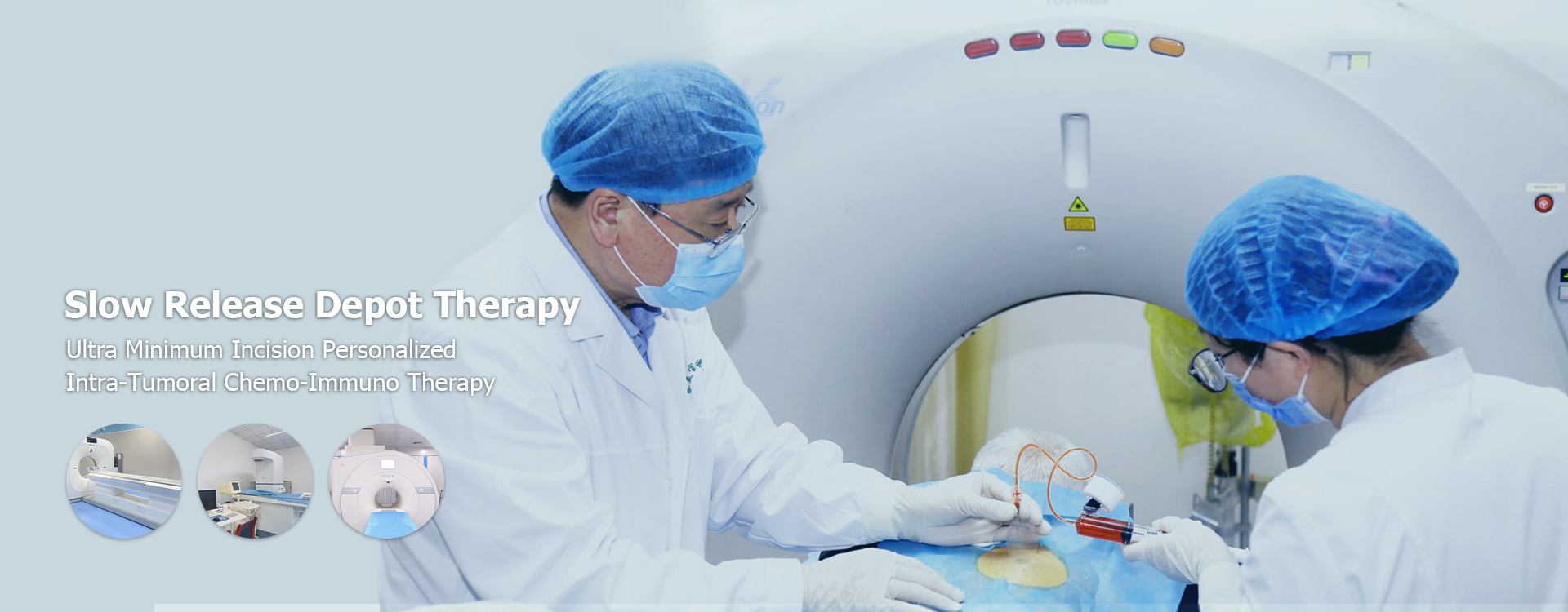
nesīkšūnu plaušu vēža ārstēšana Slimnīcas
Nesīkšūnu plaušu vēža ārstēšana: vadošās slimnīcas un uzlabotas terapijas
Šajā visaptverošajā rokasgrāmatā ir apskatīti jaunākie sasniegumi non-small cell lung cancer treatments, izceļot vadošās slimnīcas un to piedāvātās novatoriskās terapijas. Mēs iedziļināmies dažādās ārstēšanas iespējās, izklāstot to efektivitāti, iespējamās blakusparādības un piemērotību dažādiem pacientu profiliem. Atklājiet resursus, kas palīdzēs jums orientēties ārstēšanas ceļā un atrast vislabāko aprūpi jūsu īpašajām vajadzībām.
Izpratne par nesīkšūnu plaušu vēzi (NSCLC)
NSCLC veidi un stadijas
Nesīkšūnu plaušu vēzis veido lielāko daļu plaušu vēža diagnožu. Tas ietver vairākus apakštipus, tostarp adenokarcinomu, plakanšūnu karcinomu un lielu šūnu karcinomu. Katrs apakštips atšķirīgi reaģē uz ārstēšanu, uzsverot precīzas diagnostikas un stadijas noteikšanas nozīmi. Stage (I-IV) nosaka vēža izplatības pakāpi, ietekmējot ārstēšanas stratēģijas.
Diagnoze un skrīnings
Agrīna atklāšana ievērojami uzlabo prognozi. Diagnostic methods include chest X-rays, CT scans, bronchoscopy, and biopsy. Regulāri skrīningi, īpaši augsta riska personām (smēķētājiem, tiem, kuriem ir ģimenes anamnēze), ir ļoti svarīgi agrīnai iejaukšanās nodrošināšanai. Konsultējieties ar savu ārstu, lai noteiktu jūsu riska līmeni un piemērotu skrīninga grafiku.
Available Treatments for NSCLC
Ķirurģija
Surgical resection, including lobectomy or pneumonectomy, remains a cornerstone of non-small cell lung cancer treatments slimības sākuma stadijā. Minimally invasive techniques like video-assisted thoracoscopic surgery (VATS) are increasingly used to reduce recovery time and improve patient outcomes. The success of surgery depends greatly on the stage of the cancer and the overall health of the patient.
Ķīmijterapija
Ķīmijterapija ietver zāļu lietošanu vēža šūnu iznīcināšanai. It's often used for advanced-stage NSCLC or in combination with other treatments like radiation therapy. Commonly used chemotherapy regimens target specific molecular pathways involved in cancer growth. Side effects can vary, and careful management is essential.
Radiācijas terapija
Radiācijas terapija izmanto augstas enerģijas starus, lai iznīcinātu vēža šūnas. To var lietot atsevišķi vai kombinācijā ar ķīmijterapiju vai operāciju. External beam radiation therapy (EBRT) is the most common type. Stereotaktiskā ķermeņa staru terapija (SBRT) nodrošina ļoti fokusētas starojuma devas, lai precīzi mērķētu uz audzējiem, samazinot apkārtējo veselo audu bojājumus.
Mērķtiecīga terapija
Targeted therapies specifically target cancer cells with unique genetic mutations. These therapies are highly effective for patients with specific genetic alterations, such as EGFR, ALK, ROS1, or BRAF mutations. Regular genetic testing is crucial to determine eligibility for targeted therapies.
Imūnterapija
Imūnterapija izmanto organisma imūnsistēmu cīņā pret vēzi. Checkpoint inhibitors, a type of immunotherapy drug, help the immune system recognize and attack cancer cells. This treatment modality has shown remarkable success in extending survival for patients with advanced NSCLC.
Leading Hospitals for NSCLC Treatment
Pareizās slimnīcas izvēle ir izšķirošs lēmums. Consider hospitals with specialized lung cancer centers, experienced oncologists, and access to the latest treatments and technologies. Many leading hospitals offer comprehensive, multidisciplinary care, ensuring a coordinated approach to treatment.
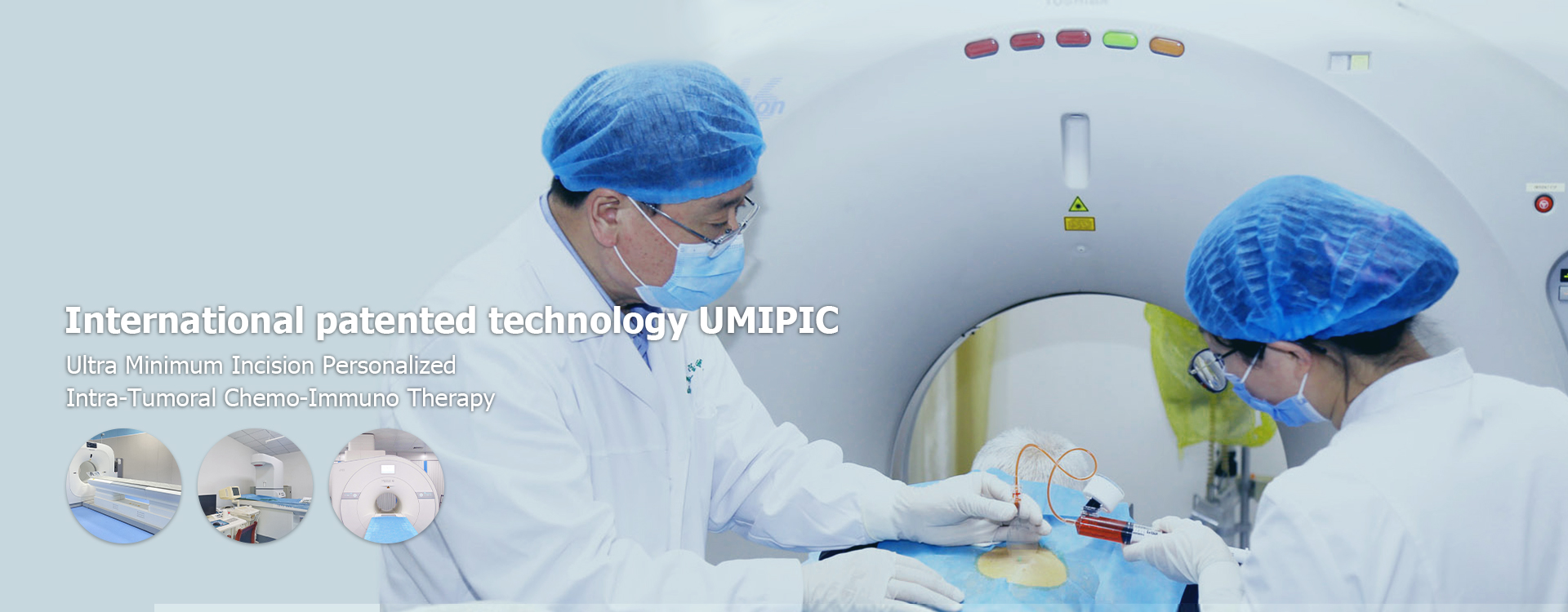
For patients seeking world-class care, research institutions and hospitals with extensive research programs are important considerations. The Shandong Baofa vēža pētniecības institūts is a renowned institution dedicated to advancing cancer care and research. They are committed to providing the most effective non-small cell lung cancer treatments and supporting patients throughout their journey.
Navigācija ārstēšanas ceļojumā
Saskaroties ar diagnozi nesīkšūnu plaušu vēzis var būt milzīgs. It's crucial to have a strong support system, including family, friends, and healthcare professionals. Support groups, online resources, and patient advocacy organizations can provide invaluable information and emotional support.
Papildu resursi
Numerous organizations offer resources and support for individuals facing NSCLC. These include the American Lung Association, the National Cancer Institute, and the Lung Cancer Research Foundation. These websites provide detailed information on treatment options, clinical trials, and patient support programs.
Atruna: šī informācija ir paredzēta tikai izglītojošiem nolūkiem, un to nevajadzētu uzskatīt par medicīnisku padomu. Vienmēr konsultējieties ar savu ārstu, lai saņemtu diagnozes un ārstēšanas ieteikumus.
Saistīts produktiem
Saistītie produkti


Vislabāk pārdotais produktiem
Vislabāk pārdotie produkti-
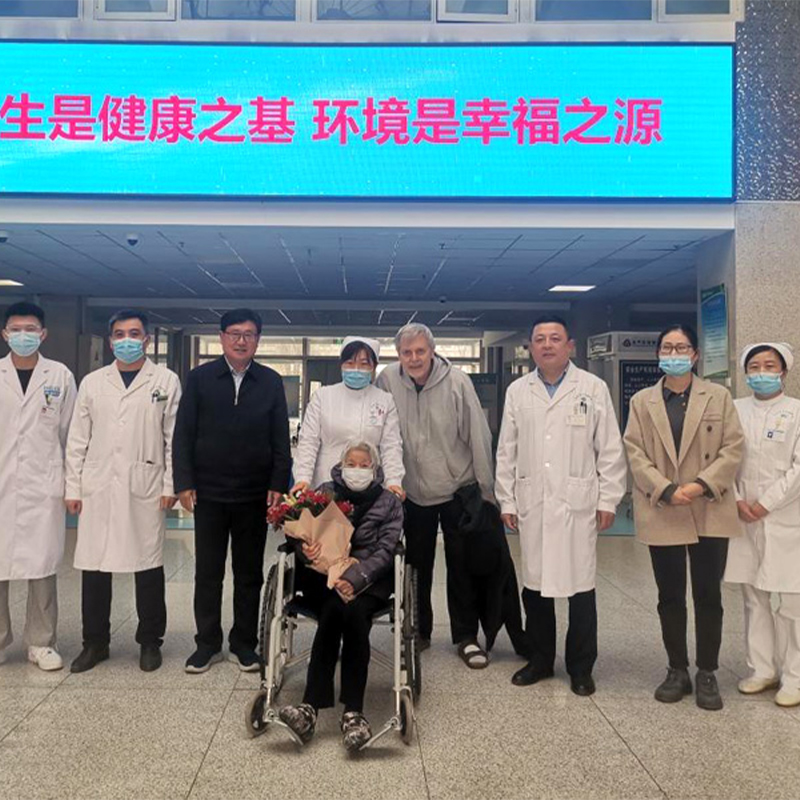
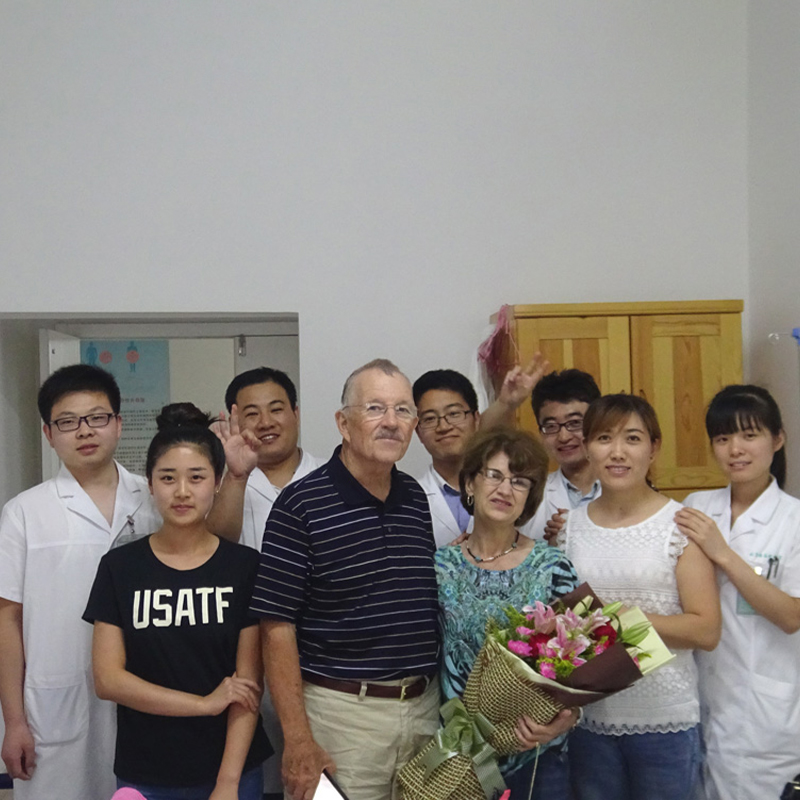
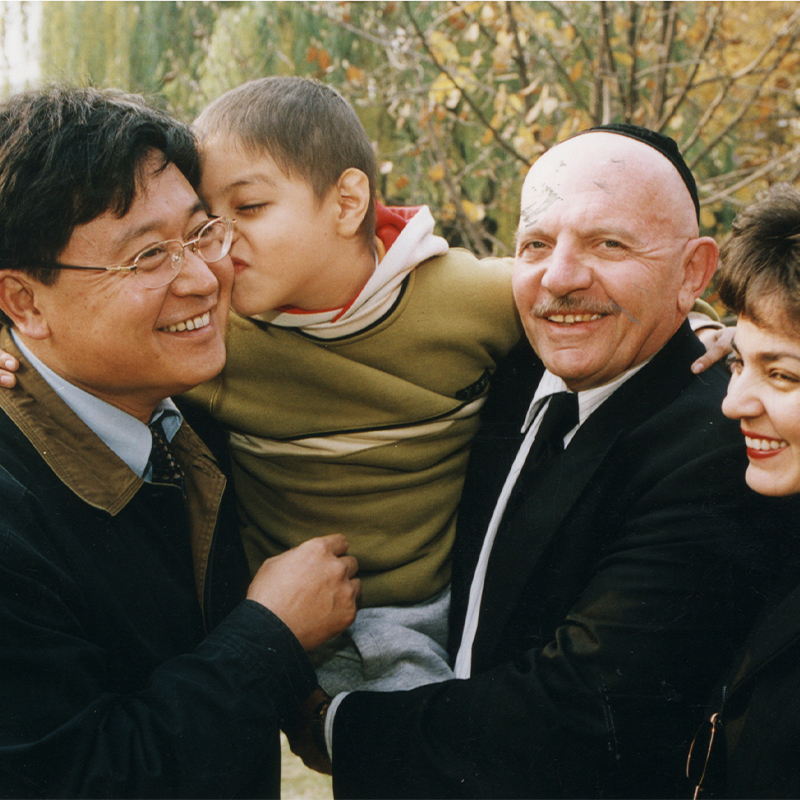
 Marks, prostatas vēža kaulu metastāžu pacients no Amerikas Savienotajām Valstīm
 - Andress, 9 gadus vecs zēns no ASV
- Nels Smits, kakla vēža pacients no Šveices
- Entonijs, limfocītu vēža pacients no Amerikas Savienotajām Valstīm 24
- PAT, taisnās zarnas vēža pacients no Amerikas Savienotajām Valstīm
- Slavenā amerikāņu gleznotāja Muriela
Saistīts meklēt
Saistītā meklēšana- Lētas bērnu vēža slimnīcas izmaksas
- Lēti aknu vēža simptomi Slimnīcas
- Labākās slimnīcas prostatas vēža ārstēšanai
- Ķīnas nieru sāpes
- plaušu vēža ārstēšanas izmaksu ilgtermiņa blakusparādības
- Ķīnas metastātiska plaušu vēža ārstēšanas slimnīcas
- ārstēšana nieru vēzis izraisa Slimnīcas
- nieru vēža pazīmes manā tuvumā
- Lēta dzidra nieru šūnu karcinoma
- Lēta plaušu vēža ārstēšana pēc stadijas pie manis


