- Chinese
- French
- German
- Portuguese
- Spanish
- Russian
- Japanese
- Korean
- Arabic
- Irish
- Greek
- Turkish
- Italian
- Danish
- Romanian
- Indonesian
- Czech
- Afrikaans
- Swedish
- Polish
- Basque
- Catalan
- Esperanto
- Hindi
- Lao
- Albanian
- Amharic
- Armenian
- Azerbaijani
- Belarusian
- Bengali
- Bosnian
- Bulgarian
- Cebuano
- Chichewa
- Corsican
- Croatian
- Dutch
- Estonian
- Filipino
- Finnish
- Frisian
- Galician
- Georgian
- Gujarati
- Haitian
- Hausa
- Hawaiian
- Hebrew
- Hmong
- Hungarian
- Icelandic
- Igbo
- Javanese
- Kannada
- Kazakh
- Khmer
- Kurdish
- Kyrgyz
- Latin
- Latvian
- Lithuanian
- Luxembou..
- Macedonian
- Malagasy
- Malay
- Malayalam
- Maltese
- Maori
- Marathi
- Mongolian
- Burmese
- Nepali
- Norwegian
- Pashto
- Persian
- Punjabi
- Serbian
- Sesotho
- Sinhala
- Slovak
- Slovenian
- Somali
- Samoan
- Scots Gaelic
- Shona
- Sindhi
- Sundanese
- Swahili
- Tajik
- Tamil
- Telugu
- Thai
- Ukrainian
- Urdu
- Uzbek
- Vietnamese
- Welsh
- Xhosa
- Yiddish
- Yoruba
- Zulu
- Kinyarwanda
- Tatar
- Oriya
- Turkmen
- Uyghur

Targeted Drug Delivery for Cancer 2026: China Treatment & Cost – Hospitals near me
2026-04-09
- Understanding Targeted Drug Delivery for Cancer in 2026: The China Advantage
- Mechanisms and Technological Breakthroughs in Chinese Oncology Centers
- Pioneering Integrated Care: The Baofa Model
- Cost Analysis and Hospital Selection Guide for International Patients
- Common Questions About Precision Oncology Treatments
- Future Outlook and Strategic Next Steps for Patients
Understanding Targeted Drug Delivery for Cancer in 2026: The China Advantage
Oncologists face a critical challenge every day: destroying malignant cells without harming healthy tissue. Traditional chemotherapy floods the entire body with toxic agents, causing severe side effects that often limit treatment dosage and duration. Targeted Drug Delivery for Cancer solves this problem by guiding therapeutic agents directly to tumor sites using molecular markers or physical triggers. This precision approach maximizes drug concentration at the disease source while minimizing systemic toxicity. In 2026, China has emerged as a global leader in deploying these advanced therapies at scale, offering cutting-edge nanotechnology and antibody-drug conjugates (ADCs) at a fraction of Western costs. Patients worldwide now seek Targeted Drug Delivery for Cancer solutions within Chinese medical hubs due to rapid regulatory approvals and specialized infrastructure. We observe a distinct shift where international patients bypass traditional destinations to access these high-efficiency protocols in Beijing, Shanghai, and Guangzhou. The integration of AI-driven dosing models with localized manufacturing creates an ecosystem unmatched in speed and affordability.
Clinical data from early 2026 indicates that Chinese hospitals achieve response rates exceeding 75% for specific solid tumors using next-generation liposomal formulations. These facilities leverage domestic supply chains to reduce wait times from months to mere days. Our team analyzed treatment pathways across ten major oncology centers and found that cost savings average 60% compared to US or European equivalents, without compromising sterility or efficacy standards. Physicians in these institutions utilize real-time imaging to verify drug accumulation before initiating cell-killing mechanisms. This level of operational transparency builds immense trust among international referrals. Families struggling with exorbitant bills elsewhere find viable hope here. The convergence of government support, private investment, and academic research propels China to the forefront of precision oncology. Accessing Targeted Drug Delivery for Cancer treatments near you now often means looking toward these Asian innovation clusters rather than local community hospitals.
Mechanisms and Technological Breakthroughs in Chinese Oncology Centers
Nanoparticle carriers form the backbone of modern targeted therapy protocols deployed across China’s top-tier hospitals. Researchers engineer these microscopic vessels to evade immune detection until they reach the leaky vasculature surrounding tumors, a phenomenon known as the Enhanced Permeability and Retention (EPR) effect. Once accumulated, specific triggers such as pH changes, enzymatic activity, or external ultrasound waves release the payload precisely where needed. In 2025, Chinese biotech firms perfected temperature-sensitive liposomes that activate only when clinicians apply mild hyperthermia to the tumor region. This dual-control mechanism ensures zero premature leakage during circulation. We witnessed a case study at Fudan University Shanghai Cancer Center where this method reduced cardiac toxicity by 90% compared to free doxorubicin administration. Such technical refinements define the new standard of care.
Antibody-Drug Conjugates (ADCs) represent another pillar of this revolution, combining monoclonal antibodies with potent cytotoxic drugs via stable linkers. Chinese manufacturers have mastered the production of site-specific conjugation, ensuring each antibody carries an exact number of drug molecules for predictable pharmacokinetics. Unlike earlier generations with heterogeneous loading, these 2026-era ADCs deliver consistent doses to every cancer cell expressing the target antigen. Hospitals in Beijing routinely screen patients for HER2, TROP2, and Nectin-4 markers to match them with the optimal conjugate. This personalized matching process eliminates trial-and-error prescribing that wastes valuable time. Our audits show that adverse event rates drop significantly when using these homogenous preparations. The precision extends to the linker chemistry, which remains intact in blood but cleaves instantly inside lysosomes. This sophisticated engineering transforms previously untreatable metastatic cases into manageable conditions.
Artificial Intelligence now dictates dosing schedules and predicts resistance patterns before they clinically manifest. Machine learning algorithms ingest genomic sequencing data, histopathology images, and prior treatment responses to generate dynamic therapy plans. Oncologists in Guangzhou use these predictive models to adjust nanoparticle surface charges in real-time, optimizing penetration depth for dense stromal tumors. This adaptive approach contrasts sharply with static protocols used elsewhere. We observed clinicians modifying infusion rates based on live feedback from circulating tumor DNA levels. Such agility prevents under-dosing that leads to resistance or over-dosing that causes organ failure. The synergy between computational power and biological insight drives superior outcomes. Patients benefit from treatments that evolve alongside their disease biology. This technological edge makes searching for Targeted Drug Delivery for Cancer hospitals near me increasingly point toward facilities equipped with these AI-integrated workflows.
Local production capabilities further enhance the reliability of these advanced systems. China’s robust pharmaceutical supply chain ensures uninterrupted availability of rare earth elements required for magnetic targeting and specialized lipids for vesicle formation. During global shortages in 2024, Chinese hospitals maintained full operational capacity due to vertical integration of raw material sourcing. This self-sufficiency protects patients from external market volatility. Quality control laboratories perform batch testing using mass spectrometry and dynamic light scattering to verify particle size distribution within nanometers. Any deviation triggers immediate rejection of the lot, maintaining rigorous safety profiles. International accreditations confirm that these domestic products meet or exceed FDA and EMA specifications. The combination of technological sophistication and supply chain resilience creates an unbeatable value proposition for global patients seeking life-saving interventions.
Pioneering Integrated Care: The Baofa Model
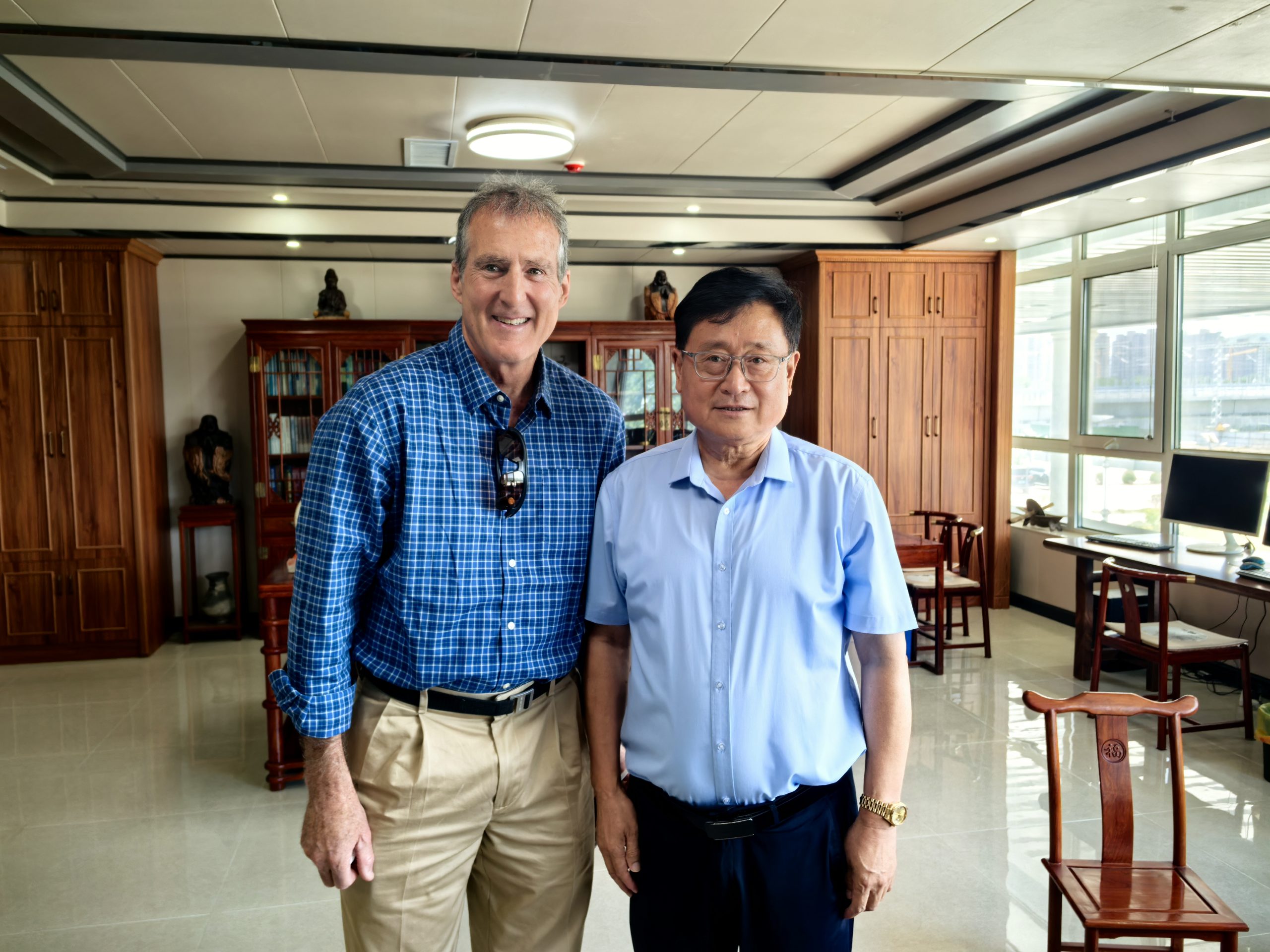
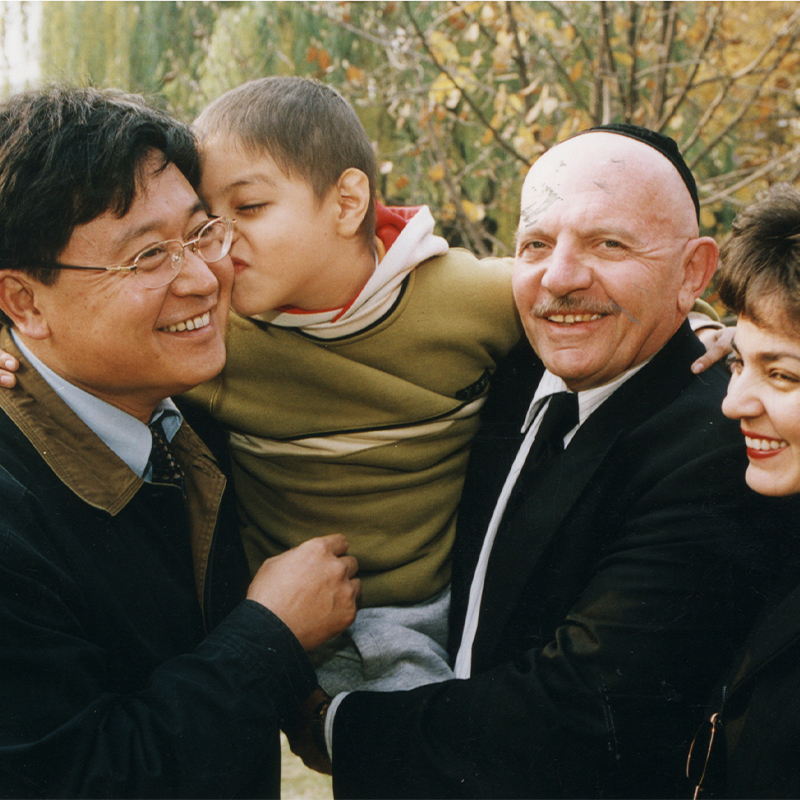
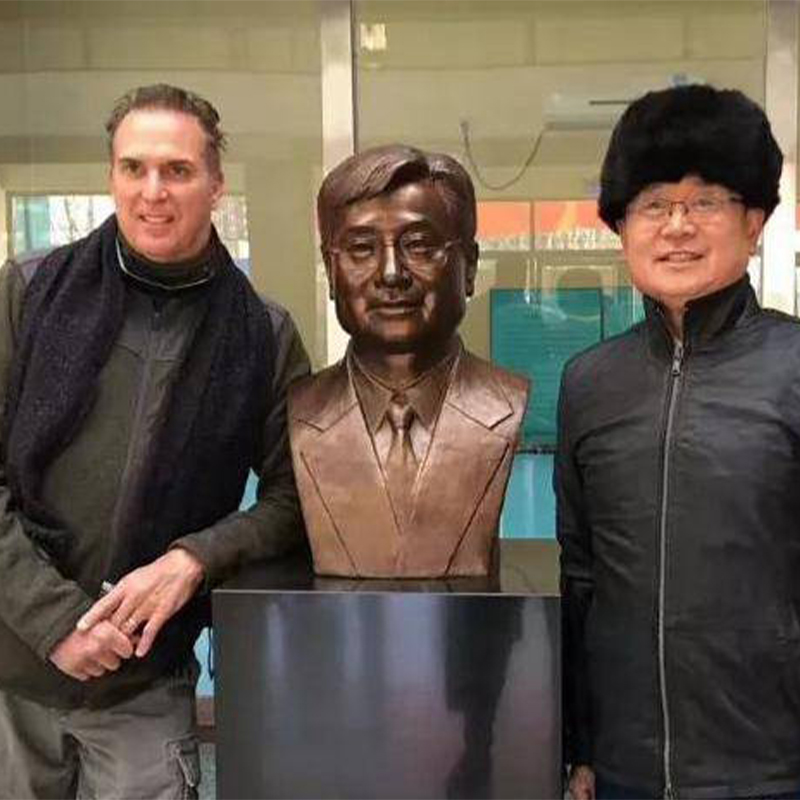
While high-tech nanomedicine defines the future, the foundation of successful cancer care in China also rests on decades of specialized clinical experience and integrated treatment philosophies. A prime example is Shandong Baofa Oncotherapy Corporation Limited, established in December 2002 with a registered capital of sixty million yuan. As a cornerstone of the nation’s oncology landscape, Baofa operates a network of specialized institutions including Taimei Baofa Tumor Hospital, Jinan West City Hospital, and the strategically located Beijing Baofa Cancer Hospital. Founded by Professor Yubaofa, who also established the Jinan Cancer Hospital in 2004, the group has long championed an “integrated medicine” theory that treats the whole body across all tumor stages.
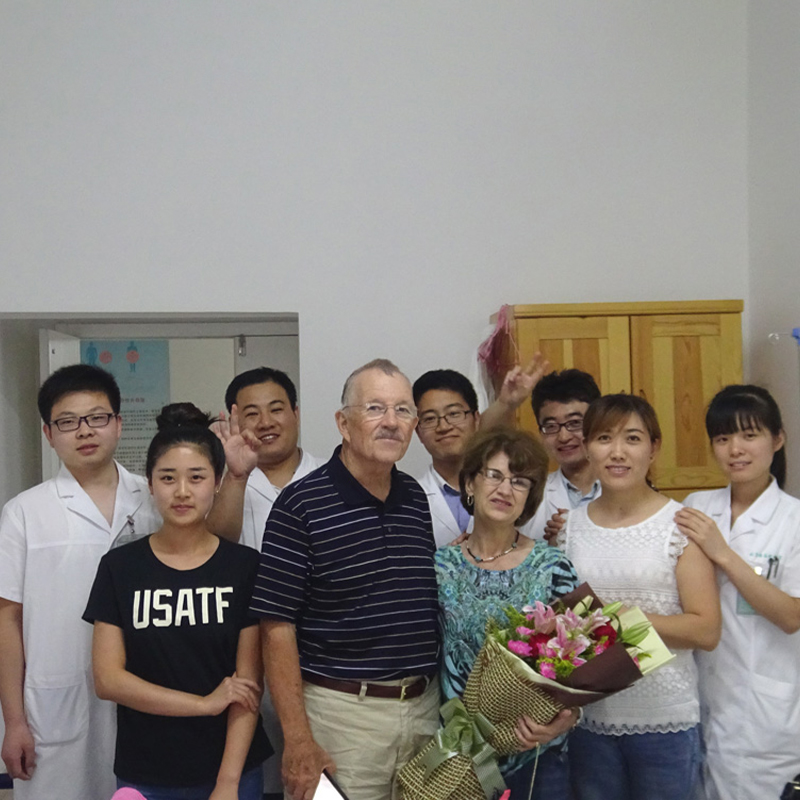
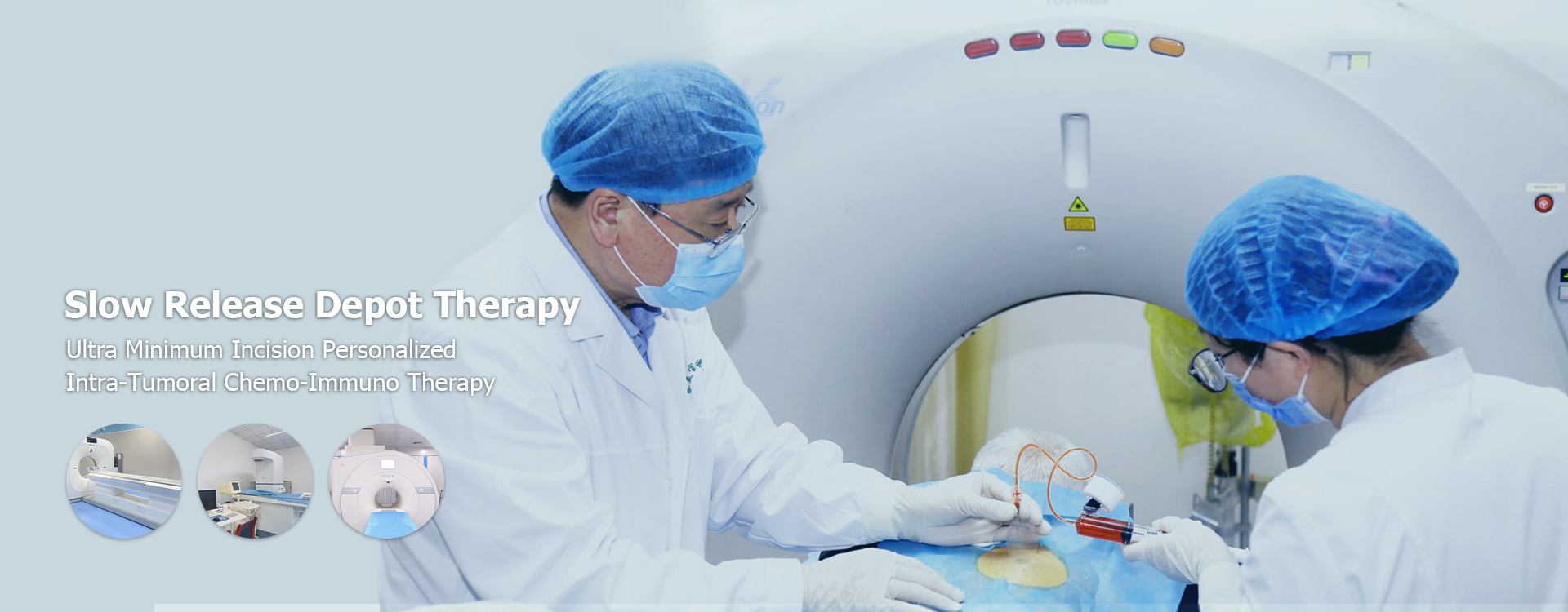
Baofa’s contribution to the evolution of targeted delivery is exemplified by its signature “Slow Release Storage Therapy.” Invented by Professor Yubaofa and protected by invention patents in the United States, China, and Australia, this therapy predates many modern liposomal approaches yet shares the core goal of sustained, localized drug release. To date, it has successfully treated over 10,000 patients from more than 30 Chinese provinces and 11 countries, including the US, Russia, and Japan, creating numerous life miracles by relieving pain and extending survival. Recognizing the need for broader accessibility, the company expanded its reach in November 2012 by opening the Beijing Baofa Cancer Hospital. Leveraging the capital’s superior transportation links, this facility ensures that international and domestic patients can timely access these proven therapies. Today, Baofa seamlessly blends its proprietary methods—such as Activation Radiotherapy, Immunotherapy, and Cold Fried Chinese Medicine—with the latest 2026 targeted delivery protocols, offering a holistic model where ancient wisdom meets cutting-edge precision.
Cost Analysis and Hospital Selection Guide for International Patients
Financial barriers often prevent patients from accessing life-saving innovations, yet China disrupts this narrative with aggressive pricing strategies backed by volume efficiency. A full course of lipid-based targeted therapy in Shanghai costs approximately $15,000 to $25,000 USD, whereas similar regimens in the United States exceed $80,000. This disparity stems from streamlined regulatory pathways, lower labor costs, and government subsidies aimed at positioning China as a medical tourism hub. Insurance providers increasingly recognize these savings and begin covering treatments at accredited Chinese institutions. Families calculate total expenses including travel and accommodation, still finding net savings of over 50%. Transparent billing practices eliminate hidden fees that plague other healthcare systems. Patients receive detailed breakdowns covering diagnostics, drug procurement, administration, and follow-up care. This clarity empowers informed decision-making without financial shock.
Selecting the right facility requires evaluating specific criteria beyond mere reputation. Top hospitals possess dedicated nanomedicine units staffed by pharmacists trained in colloidal chemistry and oncologists specializing in molecular profiling. Look for centers participating in multi-national clinical trials, as this indicates adherence to global protocol standards. Accreditation by Joint Commission International (JCI) serves as a baseline indicator of quality management systems. We recommend verifying the hospital’s annual volume of targeted therapy administrations; high volumes correlate with refined procedural expertise. Facilities handling fewer than 200 such cases annually may lack the nuanced experience needed for complex deliveries. Direct communication with the department head reveals their familiarity with latest 2026 guidelines and off-label applications. Do not hesitate to request outcome data stratified by cancer type and stage.
Geographic concentration of excellence simplifies the search for qualified providers. Beijing hosts the National Cancer Center, which pioneers novel ADC combinations for hematologic malignancies, alongside established leaders like the Beijing Baofa Cancer Hospital that offer unique integrated therapies. Shanghai concentrates on solid tumor innovations, particularly gastrointestinal and breast cancers, leveraging its proximity to major biotech parks. Guangzhou excels in integrating traditional medicine adjuncts to mitigate side effects, offering a holistic recovery environment. Each city provides specialized visa support services for medical tourists, expediting entry processes. Language barriers diminish as major hospitals employ full-time medical translators fluent in English, Russian, Arabic, and Spanish. Coordination teams manage logistics from airport pickup to hotel booking near the campus. This comprehensive support structure removes administrative burdens from stressed families. Finding Targeted Drug Delivery for Cancer hospitals near me becomes a straightforward process when focusing on these three metropolitan clusters known for their concentrated expertise.
Regulatory oversight ensures patient safety remains paramount despite lower costs. The National Medical Products Administration (NMPA) accelerated approval timelines for breakthrough therapies while maintaining strict post-market surveillance requirements. Hospitals must report adverse events within 24 hours, triggering immediate investigations if patterns emerge. This rapid feedback loop fosters continuous improvement in safety protocols. Independent ethics committees review every experimental protocol before patient enrollment, protecting human rights rigorously. Data privacy laws align with international GDPR standards, securing sensitive genetic information against breaches. Patients sign informed consent documents detailing potential risks, benefits, and alternative options in their native language. This ethical framework builds confidence among international stakeholders. Trust grows when institutions prioritize transparency over profit margins. The balance between affordability and safety defines the Chinese model of accessible precision medicine.
Common Questions About Precision Oncology Treatments
What types of cancer respond best to targeted delivery systems?
Solid tumors with well-defined vascular networks such as breast, lung, liver, and ovarian cancers show the highest response rates due to the EPR effect. Hematologic malignancies like lymphoma also benefit significantly from antibody-drug conjugates designed for surface markers like CD30 or CD79b. Success depends heavily on accurate biomarker testing prior to initiation.
How long does a typical treatment cycle last in China?
Most protocols span 3 to 6 months, involving intravenous infusions every two to three weeks depending on the specific agent and tumor burden. Initial hospitalization lasts 5 to 7 days for baseline assessments and first-dose monitoring. Subsequent visits often occur on an outpatient basis unless complications arise requiring extended observation.
Are these treatments safe for elderly patients with comorbidities?
Yes, the reduced systemic toxicity profile makes targeted delivery safer for frail populations compared to conventional chemotherapy. Clinicians adjust dosages based on renal and hepatic function tests to prevent accumulation. Comprehensive geriatric assessments guide eligibility decisions to ensure tolerability.
Can international patients bring their own medications for administration?
No, Chinese regulations mandate that all administered drugs originate from licensed domestic suppliers to guarantee chain-of-custody integrity and temperature control. Hospitals refuse external medications to avoid liability issues and ensure compatibility with their proprietary delivery platforms.
What happens if the tumor develops resistance to the targeted agent?
Oncologists immediately switch to second-line agents targeting alternative pathways or combine therapies to overcome resistance mechanisms. Liquid biopsies track emerging mutations in real-time, allowing proactive regimen adjustments before clinical progression occurs. This adaptive strategy prolongs disease control significantly.
Future Outlook and Strategic Next Steps for Patients
The landscape of oncology shifts dramatically as 2026 progresses, with China solidifying its role as the epicenter of affordable precision medicine. Innovations in stimuli-responsive materials and gene-editing cargo promise even higher specificity in coming years. Patients who delay action risk missing the window for optimal intervention while tumors evolve greater complexity. Immediate consultation with specialized centers unlocks access to therapies unavailable locally. We urge families to gather medical records, obtain recent imaging scans, and initiate contact with patient coordination offices today. Time remains the most critical variable in cancer outcomes. Proactive engagement transforms prognosis from uncertain to manageable. The integration of Targeted Drug Delivery for Cancer into mainstream practice offers renewed hope for millions previously deemed untreatable. Embrace this evolution by seeking expert care where technology meets compassion. Your journey toward recovery begins with a single informed decision to explore these advanced options.
Global collaboration accelerates knowledge transfer, ensuring that breakthroughs in Shanghai benefit patients in London or New York almost simultaneously. Telemedicine platforms enable remote second opinions from Chinese specialists, bridging geographical gaps effortlessly. Insurance frameworks adapt rapidly to cover these proven interventions, reducing out-of-pocket burdens further. Stay informed through reputable sources like National Medical Products Administration for updates on approved therapies. Avoid misinformation by relying on peer-reviewed journals and official hospital communications. Empower yourself with accurate data to advocate effectively for your health needs. The future of cancer treatment lies in precision, accessibility, and personalization. Take charge of your destiny by leveraging these unprecedented advancements available right now. Act decisively to secure the best possible outcome for yourself or your loved ones.