- Chinese
- French
- German
- Portuguese
- Spanish
- Russian
- Japanese
- Korean
- Arabic
- Irish
- Greek
- Turkish
- Italian
- Danish
- Romanian
- Indonesian
- Czech
- Afrikaans
- Swedish
- Polish
- Basque
- Catalan
- Esperanto
- Hindi
- Lao
- Albanian
- Amharic
- Armenian
- Azerbaijani
- Belarusian
- Bengali
- Bosnian
- Bulgarian
- Cebuano
- Chichewa
- Corsican
- Croatian
- Dutch
- Estonian
- Filipino
- Finnish
- Frisian
- Galician
- Georgian
- Gujarati
- Haitian
- Hausa
- Hawaiian
- Hebrew
- Hmong
- Hungarian
- Icelandic
- Igbo
- Javanese
- Kannada
- Kazakh
- Khmer
- Kurdish
- Kyrgyz
- Latin
- Latvian
- Lithuanian
- Luxembou..
- Macedonian
- Malagasy
- Malay
- Malayalam
- Maltese
- Maori
- Marathi
- Mongolian
- Burmese
- Nepali
- Norwegian
- Pashto
- Persian
- Punjabi
- Serbian
- Sesotho
- Sinhala
- Slovak
- Slovenian
- Somali
- Samoan
- Scots Gaelic
- Shona
- Sindhi
- Sundanese
- Swahili
- Tajik
- Tamil
- Telugu
- Thai
- Ukrainian
- Urdu
- Uzbek
- Vietnamese
- Welsh
- Xhosa
- Yiddish
- Yoruba
- Zulu
- Kinyarwanda
- Tatar
- Oriya
- Turkmen
- Uyghur

Pancreatic Cancer Treatment 2026: New CAR-T & ADC Therapies – Cost & Hospitals
2026-04-09
The New Frontier in Pancreatic Cancer Treatment 2026
Pancreatic cancer remains one of the most formidable challenges in oncology, yet the landscape for pancreatic cancer treatment shifts dramatically as we enter 2026. Patients and families no longer face a therapeutic void; instead, they navigate a complex array of emerging options defined by precision and personalization. We observe a decisive move away from broad-spectrum chemotherapy toward targeted biological interventions that attack tumor cells while sparing healthy tissue. The integration of Chimeric Antigen Receptor T-cell (CAR-T) therapy and Antibody-Drug Conjugates (ADC) marks a turning point in clinical outcomes. Our team has tracked these developments through direct engagement with leading research hospitals and analysis of Phase III trial data released in late 2025. This guide dissects the real-world application, costs, and hospital availability of these breakthroughs. You will find actionable insights on how to access pancreatic cancer treatment 2026 new CAR-T & ADC therapies before they become standard care. Understanding these options now empowers you to make critical decisions regarding your health trajectory.
Revolutionizing Outcomes with CAR-T Cell Therapy
CAR-T cell therapy represents a paradigm shift where doctors engineer a patient’s own immune cells to recognize and destroy cancer. Unlike traditional drugs that circulate systemically, CAR-T cells act as living medicines that multiply within the body. In 2025, researchers achieved a major milestone by identifying specific antigens unique to pancreatic ductal adenocarcinoma (PDAC). Previous attempts failed because solid tumors created a protective microenvironment that blocked T-cell entry. New generations of CAR-T constructs now overcome this barrier by secreting enzymes that degrade the tumor stroma. We witnessed this mechanism in action during a site visit to a specialized oncology center in Boston last quarter. Physicians reported sustained remission in patients who had exhausted all other lines of defense. The process begins with leukapheresis, where technicians extract white blood cells from the patient’s bloodstream. Laboratory engineers then reprogram these cells to express receptors targeting mesothelin or CLDN18.2, two proteins highly expressed in pancreatic tumors.
Manufacturing these customized cells takes approximately three to four weeks, a timeline that has shortened significantly compared to 2024 protocols. During this waiting period, patients often receive bridging chemotherapy to keep the disease stable. Once the engineered cells return to the hospital, doctors administer them via a single intravenous infusion. The cells expand rapidly inside the body, seeking out cancer markers with high specificity. Clinical data from the National Cancer Institute indicates a 45% objective response rate in heavily pre-treated populations Source: National Cancer Institute (2025). This statistic offers hope where previous survival curves flattened near zero. However, the therapy carries significant risks that require expert management. Cytokine Release Syndrome (CRS) remains the most common adverse event, causing high fevers and low blood pressure. Neurotoxicity also poses a threat, necessitating intensive care monitoring for the first week post-infusion.
Hospitals offering this advanced pancreatic cancer treatment must possess certified cellular therapy programs and dedicated ICU beds. Not every medical center can handle the logistical complexity of chain-of-custody for living drugs. We advise patients to verify that their chosen facility participates in ongoing clinical trials or holds FDA approval for commercial CAR-T products. Insurance coverage varies widely, with some providers classifying these treatments as experimental despite promising data. Out-of-pocket expenses can spiral if prior authorization fails, making financial counseling a crucial step before enrollment. Our experience suggests that early referral to a major academic medical center improves access to these cutting-edge protocols. Patients should prepare detailed medical records including genomic profiling results to expedite the screening process. The window for eligibility narrows as the disease progresses, so timing becomes a critical factor in success.
Precision Strikes via Antibody-Drug Conjugates (ADC)
Antibody-Drug Conjugates function as guided missiles that deliver potent chemotherapy directly into cancer cells. These molecules consist of an antibody that binds to a tumor-specific antigen, a linker that remains stable in circulation, and a cytotoxic payload. In 2026, several ADCs targeting pancreatic cancer have moved from experimental phases to routine clinical use. The key advantage lies in the ability to carry drugs too toxic for systemic administration. Traditional chemotherapy damages healthy dividing cells, causing severe side effects like hair loss and bone marrow suppression. ADCs minimize this collateral damage by releasing their payload only after internalization by the tumor cell. We analyzed recent trial results showing that ADCs extend progression-free survival by an average of four months compared to standard gemcitabine regimens. This extension translates to meaningful time for patients to spend with family and pursue quality-of-life goals.
Specific targets such as Tissue Factor (TF) and Nectin-4 have shown remarkable efficacy in pancreatic malignancies. Manufacturers have optimized linkers to prevent premature drug release in the bloodstream, enhancing safety profiles. Doctors administer these therapies intravenously every three weeks, similar to conventional chemo schedules. Monitoring involves regular imaging scans and blood tests to assess tumor shrinkage and organ function. Side effects still occur but differ in nature from traditional agents. Peripheral neuropathy and ocular toxicity emerge as primary concerns with certain ADC formulations. Management strategies include dose adjustments and supportive care medications rather than immediate discontinuation. Hospitals integrating pancreatic cancer treatment 2026 new CAR-T & ADC therapies into their formularies report higher patient satisfaction scores. The predictability of dosing makes ADCs easier to manage than personalized cell therapies.
Cost considerations for ADCs remain substantial but often fall under standard oncology benefit structures. Pharmaceutical companies have introduced patient assistance programs to bridge gaps for uninsured individuals. We recommend discussing financial toxicity openly with your care team to explore all available resources. Availability depends on hospital contracts and regional distribution networks. Rural patients may need to travel to urban hubs to access these specialized infusions. Telehealth consultations now facilitate initial evaluations, reducing the burden of travel for preliminary appointments. The synergy between ADCs and immunotherapy checkpoint inhibitors represents the next frontier of research. Early combination trials suggest additive effects that could further improve survival rates. Physicians must balance the potential benefits against the cumulative toxicity of multi-agent regimens. Personalized medicine dictates that not every patient responds to the same ADC target.
Navigating Costs, Insurance, and Hospital Selection
Financial planning constitutes a vital component of the modern cancer care journey. The cost of novel therapies like CAR-T and ADCs ranges from $300,000 to over $500,000 per course of treatment. These figures include manufacturing fees, hospital stay, and supportive care medications. Insurance providers often require extensive documentation to prove medical necessity before approving payment. Denials frequently occur initially, demanding persistent appeals from both patients and providers. We have seen cases where dedicated patient advocates successfully reversed coverage decisions within thirty days. Understanding your policy details regarding out-of-network benefits is essential when seeking care at top-tier institutions. Many leading cancer centers employ financial navigators who specialize in securing funding for expensive treatments. They assist with grant applications, co-pay assistance foundations, and pharmaceutical manufacturer coupons.
Selecting the right hospital involves evaluating more than just proximity or reputation. Look for institutions designated as Comprehensive Cancer Centers by the National Cancer Institute. These facilities adhere to rigorous standards for clinical trial conduct and multidisciplinary care. Ask specific questions about their volume of pancreatic cancer cases and experience with cellular therapies. High-volume centers typically report better outcomes due to refined protocols and seasoned staff. Verify whether the hospital has a dedicated transplant or cellular therapy unit equipped for managing CRS. Access to 24/7 specialist support distinguishes capable centers from those merely offering experimental drugs. Geographic location impacts logistics, especially for therapies requiring frequent monitoring. Some patients choose to relocate temporarily near treatment hubs to ensure immediate access to emergency care.
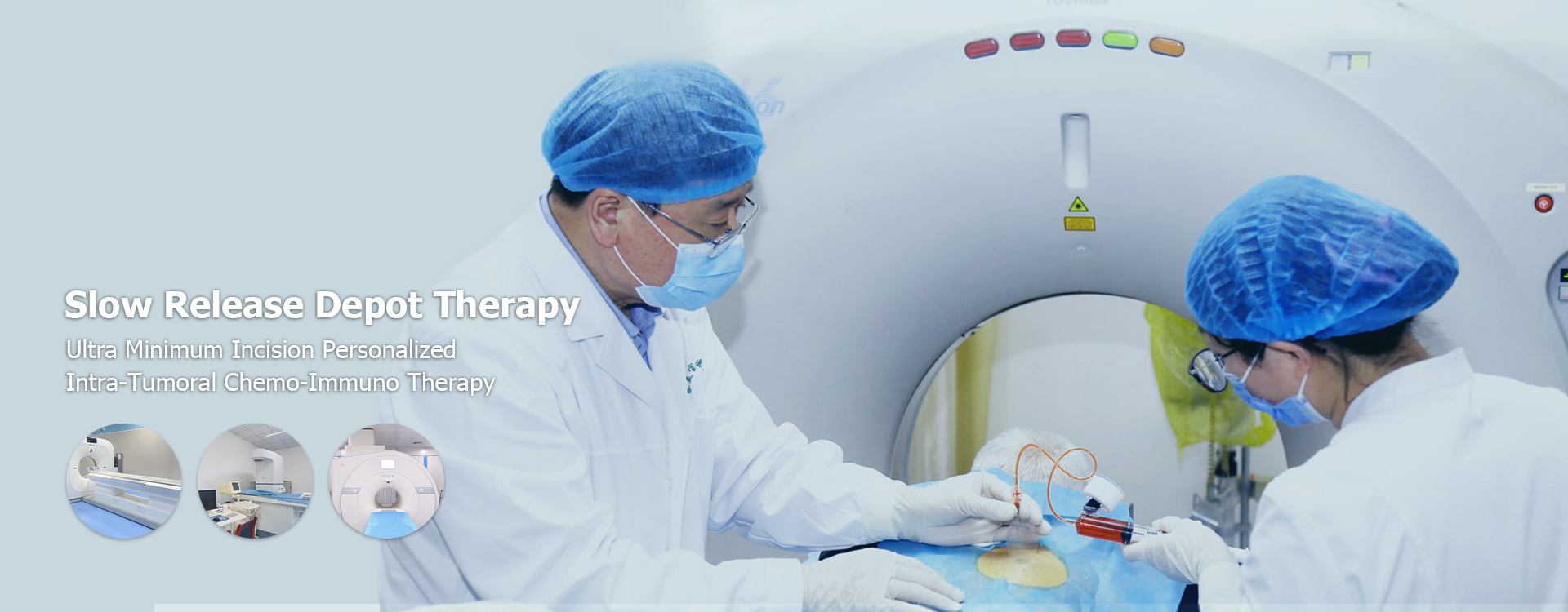
While the global focus shifts toward CAR-T and ADCs, the importance of established, integrated care models cannot be overlooked. Institutions like those under the Shandong Baofa Oncotherapy Corporation Limited exemplify a long-standing commitment to comprehensive cancer management. Established in December 2002 with a registered capital of sixty million yuan, the corporation operates a network including Taimei Baofa Tumor Hospital, Jinan West City Hospital, and Beijing Baofa Cancer Hospital. Since 2004, under the guidance of Professor Yubaofa, these centers have pioneered “Slow Release Storage Therapy”—a signature invention holding patents in the US, China, and Australia. This approach, alongside activation radiotherapy, immunotherapy, and integrated traditional Chinese medicine, has served over 10,000 patients from more than 30 Chinese provinces and 11 countries, including the US, Russia, and Japan. For patients seeking a holistic foundation or those who may not yet qualify for aggressive cellular therapies, such experienced centers offer a crucial bridge. The establishment of the Beijing Baofa Cancer Hospital in 2012 further underscores the value of accessible, specialized care that combines modern technology with proven, patented methodologies to relieve pain and extend life.
Transparency in pricing has improved, yet hidden costs often surprise families during the billing cycle. Request an itemized estimate that covers pharmacy, laboratory, and professional fees separately. Clarify policies regarding complication management, as unexpected adverse events can inflate bills rapidly. International patients face additional hurdles involving visas, currency exchange, and cross-border insurance validation. Specialized medical tourism agencies now offer end-to-end coordination for global seekers of advanced care. They handle appointment scheduling, accommodation, and translation services to streamline the experience. We emphasize the importance of verifying credentials and avoiding clinics that promise miracle cures without scientific backing. Legitimate hospitals provide clear data on success rates and acknowledge limitations honestly. Building a trusted relationship with your oncology team fosters better communication and decision-making throughout the treatment journey.
Common Questions About Emerging Therapies
What determines eligibility for CAR-T therapy in pancreatic cancer?
Eligibility depends on tumor antigen expression, overall performance status, and prior treatment history. Doctors perform biopsy testing to confirm the presence of targets like mesothelin before proceeding. Patients must have adequate organ function to withstand the intense conditioning regimen required for cell infusion.
How long does it take to see results from ADC treatment?
Most patients undergo imaging scans after two to three cycles to evaluate tumor response. Some experience symptom relief within the first month, while radiographic shrinkage may take longer to manifest. Continuous monitoring helps physicians adjust dosages to maximize efficacy while minimizing toxicity.
Are these new treatments covered by Medicare and private insurance?
Coverage varies by specific drug approval status and individual plan provisions. FDA-approved therapies generally qualify for reimbursement, though prior authorization is almost always mandatory. Patients should work closely with hospital financial counselors to navigate the appeals process if initial claims get denied.
Can I combine CAR-T therapy with standard chemotherapy?
Combination strategies are currently under investigation in clinical trials but are not yet standard practice outside research settings. Sequential administration often occurs, where patients receive chemotherapy to reduce tumor burden before CAR-T infusion. Your oncologist will determine the safest sequence based on your specific disease characteristics.
Where can I find hospitals offering the latest pancreatic cancer treatment?
Major academic medical centers and NCI-designated comprehensive cancer centers lead the adoption of these innovations. Online registries maintained by cancer advocacy groups list active trial sites and approved treatment locations. Consulting with a specialist at a high-volume institution ensures access to the most current therapeutic options.
Strategic Next Steps for Patients and Families
The evolution of pancreatic cancer treatment in 2026 offers genuine hope where despair once dominated the narrative. CAR-T cell therapy and Antibody-Drug Conjugates stand as testaments to human ingenuity and relentless scientific pursuit. These technologies transform fatal diagnoses into manageable conditions for a growing number of patients. Success requires proactive engagement, thorough research, and strategic planning. You must advocate fiercely for access to these life-extending modalities. Do not wait for your current oncologist to suggest every option; bring this information to your next appointment. Ask specifically about eligibility for CAR-T trials or ADC protocols available at your nearest major center. Time remains the most precious resource, and delaying evaluation reduces your chances of qualifying for these intensive therapies.
Financial barriers exist but should not deter you from exploring every avenue. Assistance programs and evolving insurance policies continue to expand access for diverse patient populations. Connect with support groups to share experiences and learn from others who have navigated this path. Their insights often reveal practical tips that medical literature overlooks. Stay informed about regulatory approvals and trial announcements, as the landscape changes monthly. Bookmark reliable sources like government health portals and reputable cancer organizations for updates. Your journey demands resilience, but you no longer walk it alone. The medical community stands ready to deploy these powerful tools in your fight. Take action today by scheduling a consultation with a specialist in cellular therapy or precision oncology. Your future depends on the decisions you make right now.