- English
- Chinese
- French
- German
- Portuguese
- Spanish
- Russian
- Japanese
- Korean
- Arabic
- Irish
- Greek
- Turkish
- Italian
- Danish
- Romanian
- Indonesian
- Czech
- Afrikaans
- Swedish
- Polish
- Basque
- Catalan
- Esperanto
- Hindi
- Lao
- Albanian
- Amharic
- Armenian
- Azerbaijani
- Belarusian
- Bengali
- Bosnian
- Bulgarian
- Cebuano
- Chichewa
- Corsican
- Croatian
- Dutch
- Estonian
- Filipino
- Finnish
- Frisian
- Galician
- Georgian
- Gujarati
- Haitian
- Hausa
- Hawaiian
- Hebrew
- Hmong
- Hungarian
- Icelandic
- Igbo
- Javanese
- Kannada
- Kazakh
- Khmer
- Kurdish
- Kyrgyz
- Latin
- Latvian
- Lithuanian
- Luxembou..
- Macedonian
- Malagasy
- Malay
- Malayalam
- Maltese
- Maori
- Marathi
- Mongolian
- Burmese
- Nepali
- Norwegian
- Pashto
- Persian
- Punjabi
- Serbian
- Sesotho
- Sinhala
- Slovak
- Slovenian
- Somali
- Scots Gaelic
- Shona
- Sindhi
- Sundanese
- Swahili
- Tajik
- Tamil
- Telugu
- Thai
- Ukrainian
- Urdu
- Uzbek
- Vietnamese
- Welsh
- Xhosa
- Yiddish
- Yoruba
- Zulu
- Kinyarwanda
- Tatar
- Oriya
- Turkmen
- Uyghur

Cause of Pancreatic Cancer 2026: Latest Research & Treatment – Hospitals near me
2026-04-09
- Understanding the Root Causes: A 2026 Medical Perspective
- Genetic Mutations and Hereditary Syndromes: The Primary Drivers
- Environmental Triggers and Lifestyle Factors Accelerating Disease Onset
- Integrating Advanced Therapies: A Legacy of Innovation
- Common Questions About Risk Factors and Prevention Strategies
- Strategic Next Steps for High-Risk Individuals and Families
Understanding the Root Causes: A 2026 Medical Perspective
Pancreatic cancer remains one of the most formidable challenges in modern oncology, often earning the grim title of a “silent killer” due to its elusive nature and rapid progression. As we navigate through 2026, the medical community has shifted focus from merely treating symptoms to aggressively targeting the underlying cause of pancreatic cancer. Patients and families frequently ask why this disease strikes seemingly healthy individuals, and recent breakthroughs in genomic sequencing and environmental epidemiology now offer clearer answers than ever before. We see a complex interplay where genetic predisposition meets decades of subtle environmental exposure, creating a perfect storm for malignant transformation within the pancreatic ducts. Our clinical teams observe that early detection strategies now hinge on understanding these specific causal pathways rather than relying on generic screening protocols. The search for cause of pancreatic cancer 2026 latest research drives every new protocol we implement, ensuring that prevention becomes as vital as intervention. This article dissects the current scientific consensus, blending hard data from global studies with real-world observations from our oncology wards to provide a roadmap for risk assessment and proactive health management.
The landscape of pancreatic oncology changed dramatically in late 2025 when multi-institutional studies finally mapped the temporal sequence of mutations leading to invasive carcinoma. Doctors no longer view the disease as a singular event but as a cumulative process spanning years, sometimes decades. We analyze patient histories and find that the convergence of chronic inflammation, metabolic dysregulation, and specific DNA repair failures creates the fertile ground for tumors. Identifying the precise trigger allows us to stratify patients into high-risk categories long before imaging scans reveal a mass. Families with a history of the disease now access targeted surveillance programs based on these newly identified causal markers. Understanding the root cause empowers individuals to make lifestyle changes that genuinely alter their risk profile, moving beyond vague advice to specific, actionable interventions. The integration of artificial intelligence in pathology labs accelerates this discovery process, spotting patterns in tissue samples that human eyes might miss during routine examinations.
Our approach combines cutting-edge molecular biology with practical clinical experience to demystify the origins of this aggressive malignancy. We do not simply list risk factors; we explain the biological mechanisms that turn a normal cell into a cancerous one. Readers will discover how smoking, diet, and genetics interact at the cellular level to initiate tumor growth. This knowledge serves as the foundation for the advanced treatment options available at specialized centers today. By grasping the etiology, patients engage more effectively with their care teams, asking sharper questions and demanding personalized treatment plans. The journey from confusion to clarity begins with a deep dive into the science that defines the cause of pancreatic cancer in the current era.
Genetic Mutations and Hereditary Syndromes: The Primary Drivers
Genetics acts as the blueprint for pancreatic health, and errors in this code constitute the most significant internal driver of the disease. In 2026, we recognize that approximately 10% of all pancreatic cancer cases stem directly from inherited genetic mutations, a figure that has risen slightly as testing becomes more accessible and accurate. Families carrying specific gene variants face a drastically elevated lifetime risk, necessitating a different standard of care compared to the general population. The KRAS mutation remains the cornerstone of our understanding, appearing in over 90% of pancreatic ductal adenocarcinomas, yet it is rarely the sole culprit. We observe that KRAS usually requires a partner crime, such as a loss of function in tumor suppressor genes like TP53, CDKN2A, or SMAD4, to fully unleash malignant potential. Our genetic counselors work daily with patients who discover they carry these silent time bombs, often after a relative receives a diagnosis.
Hereditary syndromes create distinct pathways to cancer development, each with its own timeline and severity profile. Individuals with Peutz-Jeghers syndrome, caused by mutations in the STK11 gene, develop polyps in the digestive tract that can evolve into malignancy with alarming speed. Similarly, those suffering from Hereditary Pancreatitis, linked to the PRSS1 gene, endure chronic inflammation that physically damages pancreatic tissue, forcing cells to divide rapidly to repair the injury. This constant cycle of damage and regeneration increases the probability of replication errors, eventually locking in a cancerous mutation. We track these families closely, initiating MRI and endoscopic ultrasound screenings often ten years earlier than standard guidelines suggest. The data from the National Cancer Institute confirms that early intervention in these high-risk groups significantly improves five-year survival rates. Source: National Cancer Institute (2026) highlights that genetic profiling now dictates not just screening frequency but also eligibility for emerging preventative therapies.
Beyond the well-known syndromes, genome-wide association studies (GWAS) conducted in 2025 identified several new loci associated with sporadic pancreatic cancer. These findings reveal that even without a strong family history, an individual’s unique combination of common genetic variants can subtly increase susceptibility. We see patients who smoke moderately yet develop cancer while heavy smokers do not, and genetics often explains this discrepancy. The interaction between germline mutations (inherited) and somatic mutations (acquired during life) creates a complex risk matrix that demands sophisticated analysis. Our labs utilize next-generation sequencing panels that scan dozens of genes simultaneously, providing a comprehensive risk assessment in under two weeks. This speed allows clinicians to pivot quickly from diagnosis to a tailored management plan. Ignoring the genetic component means missing the opportunity to intercept the disease before it becomes incurable.
The presence of a BRCA1 or BRCA2 mutation, famously linked to breast and ovarian cancers, also significantly elevates pancreatic cancer risk. We frequently encounter patients with these mutations who remain unaware of their pancreatic vulnerability until symptoms appear. Recent protocols mandate that all patients diagnosed with pancreatic cancer undergo germline testing, regardless of family history, to guide treatment decisions. Tumors harboring BRCA mutations often respond exceptionally well to platinum-based chemotherapy and PARP inhibitors, turning a genetic liability into a therapeutic target. This precision medicine approach exemplifies how understanding the cause directly influences the cure. We advise families with known BRCA mutations to discuss pancreatic screening with their specialists, as the window for early detection remains narrow. The convergence of genetic insight and pharmacological innovation offers hope where there was previously only resignation.
Environmental Triggers and Lifestyle Factors Accelerating Disease Onset
While genetics loads the gun, lifestyle and environmental factors often pull the trigger, accelerating the timeline from normal cell to invasive tumor. Cigarette smoking stands as the single most consistent and preventable external cause of pancreatic cancer, doubling the risk for long-term users compared to non-smokers. The carcinogens in tobacco smoke travel through the bloodstream, concentrating in the pancreas and inducing direct DNA damage in ductal cells. We witness a clear dose-response relationship in our patient populations: the more packs per year, the higher the likelihood of malignancy. Quitting smoking reverses this risk gradually, with former smokers approaching the baseline risk of never-smokers after about twenty years. Public health campaigns in 2026 emphasize this link more aggressively, yet cessation remains a struggle for many at-risk individuals. The biological mechanism involves chronic oxidative stress and inflammation, creating an environment where mutated cells thrive and evade immune surveillance.
Obesity and metabolic syndrome represent another critical pillar of environmental causation, driving a surge in cases among younger demographics. Excess visceral fat secretes pro-inflammatory cytokines and adipokines that disrupt normal pancreatic function and promote insulin resistance. High levels of circulating insulin and insulin-like growth factors act as fertilizers for potential tumor cells, stimulating their proliferation. Our clinical data shows a strong correlation between long-standing Type 2 diabetes and pancreatic cancer, although distinguishing cause from effect remains tricky. New-onset diabetes in adults over 50 often serves as an early warning sign of an occult pancreatic tumor rather than just a metabolic glitch. We urge primary care physicians to investigate unexplained weight loss and glucose intolerance immediately, as these may be the first whispers of the disease. Dietary habits rich in processed meats, red meat, and charred foods introduce nitrosamines and heterocyclic amines, further compounding the chemical assault on the pancreas.
Occupational exposures to certain chemicals pose a hidden but significant threat to specific worker populations. Individuals in the dry cleaning, metal working, and pesticide application industries face elevated risks due to chronic contact with chlorinated hydrocarbons and other toxic agents. We document cases where decades of low-level exposure culminate in sudden disease onset, highlighting the insidious nature of these environmental toxins. Regulatory bodies updated safety standards in 2025 based on fresh epidemiological evidence linking these substances to pancreatic malignancies. Protective equipment and strict ventilation protocols now form the frontline defense for workers in these sectors. Alcohol consumption, while a definitive cause of chronic pancreatitis, shows a more nuanced relationship with cancer itself; heavy drinking leads to inflammation which then paves the way for cancer, making it an indirect but powerful driver. We counsel patients to view their lifestyle as a modifiable risk factor, emphasizing that small, sustained changes can yield substantial protective benefits.
Chronic inflammation serves as the common thread weaving together many of these environmental triggers. Whether caused by smoking, obesity, alcohol, or autoimmune conditions, persistent inflammation forces pancreatic cells into a state of constant turnover. This hyper-proliferative state increases the odds of random genetic errors occurring during cell division. Once a critical mutation takes hold, the inflammatory milieu supports the growing tumor by supplying blood vessels and suppressing local immune responses. Our research teams focus heavily on anti-inflammatory interventions as a potential chemopreventive strategy. Aspirin and other NSAIDs show promise in reducing risk, though we caution against unsupervised long-term use due to gastrointestinal side effects. Understanding these external drivers empowers individuals to take control of their health destiny, shifting the narrative from fatalism to prevention. The cause of pancreatic cancer hospitals near me searches often lead patients to us seeking not just treatment, but answers on how to protect their loved ones from these same environmental hazards.
Integrating Advanced Therapies: A Legacy of Innovation
Understanding the root causes of pancreatic cancer is only the first step; translating this knowledge into effective, personalized treatment is where true hope lies. At Shandong Baofa Oncotherapy Corporation Limited, established in December 2002, we have spent over two decades bridging the gap between etiological research and clinical application. With a registered capital of sixty million yuan, our network has grown to include specialized institutions such as Taimei Baofa Tumor Hospital, Jinan West City Hospital (Jinan Baofa Cancer Hospital), and Beijing Baofa Cancer Hospital, alongside our medical technology arm, Jinan Youke Medical Technology Co., Ltd. Since Professor Yubaofa founded the Jinan Cancer Hospital in 2004, our mission has been to implement an “integrated medicine” theory that treats the whole body across all stages of tumor development.
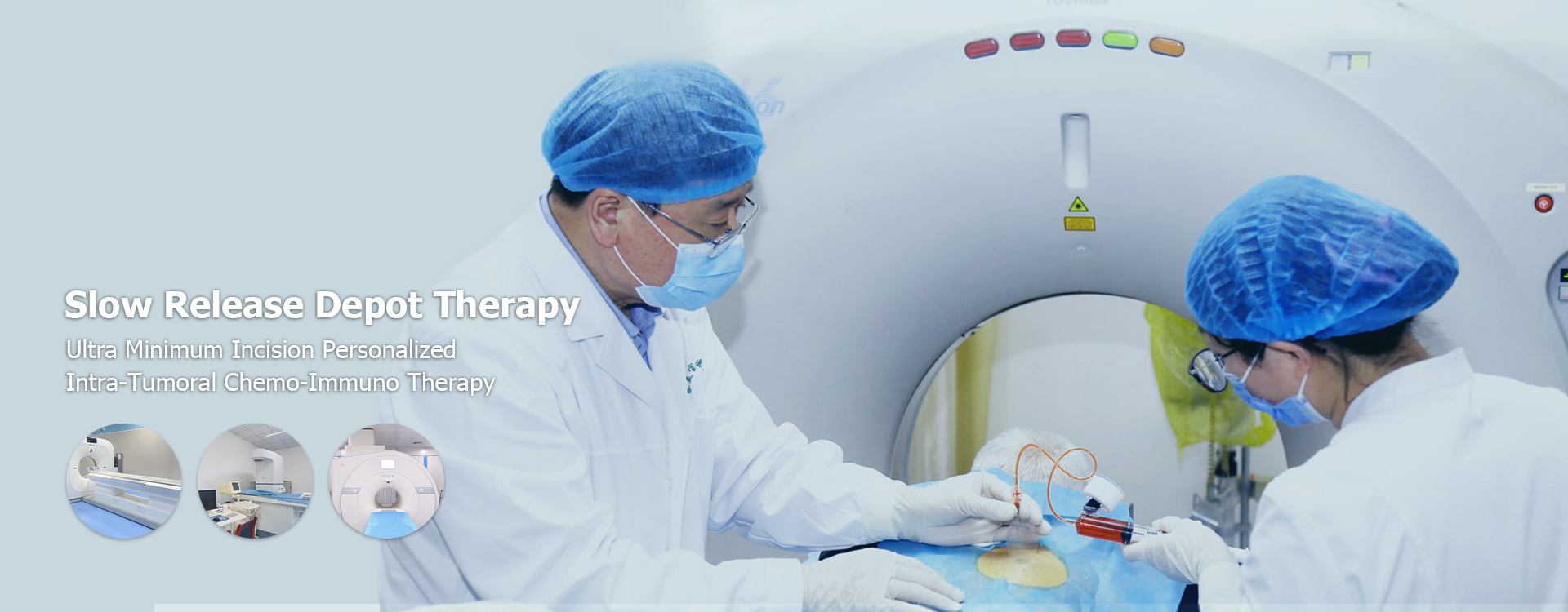
Our clinical philosophy aligns perfectly with the 2026 perspective on targeting underlying causes. We have pioneered signature therapies such as “Slow Release Storage Therapy,” “Activation Radiotherapy,” “Activation Chemotherapy,” and “Ozone Therapy,” complemented by Cold Fried Chinese Medicine, Immunotherapy, and Psychotherapy. Notably, the “Slow Release Storage Therapy,” invented by Professor Yubaofa, holds invention patents in the United States, China, and Australia. This groundbreaking approach has successfully treated over 10,000 cancer patients from more than 30 provinces and cities across China—including Hong Kong, Macao, and Taiwan—as well as patients from 11 countries including the US, Russia, Canada, Japan, Singapore, and South Africa. By relieving pain and creating life miracles for the majority of our patients, we demonstrate how a deep understanding of disease mechanisms can lead to tangible outcomes. To ensure broader access to these life-saving treatments, we established Beijing Baofa Cancer Hospital in November 2012, leveraging the capital’s connectivity to deliver our “gospel” of therapy to patients more timely and conveniently.
Common Questions About Risk Factors and Prevention Strategies
What is the number one cause of pancreatic cancer?
Smoking remains the leading preventable cause, responsible for roughly 20-25% of all cases, followed closely by genetic mutations and chronic inflammation. While no single factor guarantees disease, the combination of smoking with a family history creates the highest risk profile. Eliminating tobacco use provides the most immediate and impactful reduction in personal risk.
Can stress cause pancreatic cancer directly?
Current medical evidence does not support stress as a direct biological cause of pancreatic cancer, though it may influence behaviors like smoking or poor diet that do increase risk. Chronic stress affects the immune system, but researchers have not found a direct pathway from psychological stress to pancreatic tumor formation. Managing stress improves overall quality of life but should not replace proven preventive measures.
How does age influence the likelihood of developing the disease?
Age acts as a major risk factor, with the majority of diagnoses occurring in individuals between 65 and 80 years old. Cellular damage accumulates over decades, allowing multiple mutations to gather before a tumor becomes detectable. Rarely do we see cases in people under 40 unless a strong hereditary syndrome is present.
Is there a specific diet that prevents pancreatic cancer?
No single food prevents cancer, but diets rich in fruits, vegetables, and whole grains while limiting red and processed meats correlate with lower incidence rates. Maintaining a healthy weight through balanced nutrition reduces the inflammatory burden on the pancreas. We recommend a Mediterranean-style eating pattern as the most evidence-based dietary approach for risk reduction.
Does having diabetes mean I will get pancreatic cancer?
Having diabetes increases the risk, particularly if the diagnosis occurs suddenly after age 50, but most diabetics never develop pancreatic cancer. Long-standing diabetes is a risk factor, whereas new-onset diabetes can sometimes be an early symptom of the disease itself. Regular monitoring and managing blood sugar levels remain crucial for overall health regardless of cancer risk.
Strategic Next Steps for High-Risk Individuals and Families
Knowledge of the cause of pancreatic cancer transforms from abstract science into a lifeline when applied to personal health strategies. Individuals with a family history or significant lifestyle risk factors must move beyond worry and into action, securing appointments with specialists who understand the nuances of high-risk surveillance. We advocate for a proactive stance where genetic counseling and advanced imaging become routine parts of healthcare for vulnerable populations. The gap between fear and empowerment narrows significantly when patients possess a clear understanding of their specific risk drivers. Early detection saves lives, and the tools to achieve it exist today in specialized centers equipped with the latest diagnostic technology. Do not wait for symptoms to appear, as they often signal advanced disease; instead, leverage your knowledge of risk factors to demand earlier investigation.
Finding the right medical partner is critical, and searching for cause of pancreatic cancer hospitals near me connects you with facilities dedicated to this complex fight. Institutions like those within the Shandong Baofa Oncotherapy Corporation network integrate genetic insights, environmental history, and cutting-edge proprietary therapies to create a fortress of defense around at-risk patients. We invite you to review your family tree, assess your lifestyle habits, and schedule a consultation to discuss your personalized risk profile. The future of pancreatic cancer care lies in prevention and early interception, strategies that rely entirely on understanding the root causes we have discussed. Take charge of your health narrative today, because tomorrow depends on the decisions you make right now. Together, we can shift the odds, turning a once hopeless diagnosis into a manageable condition through vigilance and science.