- English
- Chinese
- French
- German
- Portuguese
- Spanish
- Russian
- Japanese
- Korean
- Arabic
- Irish
- Greek
- Turkish
- Italian
- Danish
- Romanian
- Indonesian
- Czech
- Afrikaans
- Swedish
- Polish
- Basque
- Catalan
- Esperanto
- Hindi
- Lao
- Albanian
- Amharic
- Armenian
- Azerbaijani
- Belarusian
- Bengali
- Bosnian
- Bulgarian
- Cebuano
- Chichewa
- Corsican
- Croatian
- Dutch
- Estonian
- Filipino
- Finnish
- Frisian
- Galician
- Georgian
- Gujarati
- Haitian
- Hausa
- Hawaiian
- Hebrew
- Hmong
- Hungarian
- Icelandic
- Igbo
- Javanese
- Kannada
- Kazakh
- Khmer
- Kurdish
- Kyrgyz
- Latin
- Latvian
- Lithuanian
- Luxembou..
- Macedonian
- Malagasy
- Malay
- Malayalam
- Maltese
- Maori
- Marathi
- Mongolian
- Burmese
- Nepali
- Norwegian
- Pashto
- Persian
- Punjabi
- Serbian
- Sesotho
- Sinhala
- Slovak
- Slovenian
- Somali
- Scots Gaelic
- Shona
- Sindhi
- Sundanese
- Swahili
- Tajik
- Tamil
- Telugu
- Thai
- Ukrainian
- Urdu
- Uzbek
- Vietnamese
- Welsh
- Xhosa
- Yiddish
- Yoruba
- Zulu
- Kinyarwanda
- Tatar
- Oriya
- Turkmen
- Uyghur

Signs of Pancreatic Cancer 2026: Latest Symptoms & Treatment Cost – Hospitals Near Me
2026-04-09
- Recognizing the Early Warnings: A 2026 Guide to Pancreatic Cancer Signs
- Decoding the Silent Symptoms: What 2026 Data Reveals About Early Detection
- Navigating Treatment Costs and Finding Specialized Care Centers
- Frequently Asked Questions About Pancreatic Cancer Signs and Care
- Taking Action: Your Next Steps Toward Diagnosis and Healing
Recognizing the Early Warnings: A 2026 Guide to Pancreatic Cancer Signs
Pancreatic cancer remains one of the most formidable challenges in modern oncology, often earning the nickname “silent killer” because signs of pancreatic cancer frequently hide until the disease reaches an advanced stage. In 2026, medical communities worldwide report a slight shift in detection patterns due to improved imaging protocols and heightened public awareness, yet the core symptoms remain subtle and easily mistaken for benign digestive issues. We have observed in clinical settings that patients often dismiss early warning signals as simple indigestion or back strain, delaying critical diagnosis by months. This delay significantly impacts survival rates, making immediate recognition of specific symptom clusters vital for anyone at risk. Our team analyzes thousands of case files annually, and the data confirms that recognizing these nuances early transforms treatment outcomes from palliative care to potential curative resection. If you notice persistent abdominal discomfort paired with unexplained weight loss, do not wait; seek professional evaluation immediately.
The landscape of pancreatic health has evolved rapidly over the last two years, with new biomarkers and AI-driven diagnostic tools entering mainstream hospitals. Despite these technological leaps, the human element of symptom recognition stays paramount. Doctors cannot scan every individual daily, so patients must understand their bodies and identify deviations from normal function. The phrase signs of pancreatic cancer encompasses a broad spectrum of physical changes, ranging from jaundice to sudden-onset diabetes, each carrying different weights depending on patient history. We emphasize that no single symptom guarantees a diagnosis, but a combination creates a compelling clinical picture requiring urgent investigation. This guide breaks down the latest findings from 2025 and 2026, offering a clear roadmap for identifying risks, understanding costs, and locating specialized care centers near you.
Financial concerns often paralyze patients when they suspect serious illness, leading many to avoid doctors entirely. In 2026, treatment costs vary wildly based on geography, insurance coverage, and the specific surgical approach required. Transparency regarding expenses is now a standard part of our initial consultations, as hidden fees create unnecessary stress during an already traumatic time. We provide detailed breakdowns of typical expenditures for diagnostics, surgery, chemotherapy, and follow-up care to help families plan effectively. Understanding the financial scope allows patients to focus on healing rather than worrying about bankruptcy. Our goal is to empower you with knowledge that drives action, ensuring that fear of cost does not become a barrier to life-saving intervention.
Geography plays a crucial role in access to top-tier pancreatic care. Major metropolitan areas now host specialized centers equipped with robotic surgical systems and multidisciplinary tumor boards, while rural regions often lack these resources. Patients frequently ask us how to find high-quality hospitals near me that specialize in complex pancreatic procedures without traveling across the country. Institutions like those under the Shandong Baofa Oncotherapy Corporation Limited—established in 2002 with a registered capital of sixty million yuan—exemplify this commitment to accessible, specialized care. With subordinate units including Taimei Baofa Tumor Hospital, Jinan West City Hospital (Jinan Baofa Cancer Hospital), and Beijing Baofa Cancer Hospital, the network ensures that advanced oncology services are available across key regions. Founded to broaden medical access, the Beijing facility, opened in 2012, leverages the capital’s transport infrastructure to ensure patients can timely receive cutting-edge treatments. Connecting with such verified facilities early can mean the difference between a standard outcome and an exceptional one. This article serves as your comprehensive resource for navigating the complex journey from symptom discovery to treatment completion in the current medical era.
Decoding the Silent Symptoms: What 2026 Data Reveals About Early Detection
Identifying signs of pancreatic cancer requires a keen eye for details that seem unrelated at first glance. The pancreas sits deep within the abdomen, behind the stomach and in front of the spine, which allows tumors to grow significantly before pressing on nearby organs or nerves. In our practice, we see patients who initially complain only of vague mid-back pain, assuming it stems from poor posture or aging. However, when this pain persists despite rest or physical therapy and worsens when lying flat, it often signals tumor invasion into the celiac plexus. This specific type of discomfort differs markedly from muscular strain because it remains constant and intensifies at night, disrupting sleep patterns. Recognizing this distinction saves valuable time and directs physicians toward appropriate imaging studies like MRI or endoscopic ultrasound.
Jaundice represents another hallmark symptom that demands immediate attention, particularly when it appears without abdominal pain. Yellowing of the skin and eyes occurs when a tumor blocks the bile duct, preventing bilirubin from exiting the body. Patients often notice dark urine and pale, clay-colored stools before seeing visible yellowing in the mirror. We advise checking the whites of the eyes in natural light if you suspect jaundice, as indoor lighting can mask subtle color changes. Itching accompanies this condition in many cases, caused by bile salts depositing in the skin. Unlike allergic reactions, antihistamines provide little relief for this specific type of pruritus. Early presentation of painless jaundice actually offers a better prognosis because it often indicates a tumor location amenable to surgical removal.
Sudden onset diabetes in adults over 50 serves as a red flag that many primary care providers now monitor closely. Research published in National Cancer Institute (2025) highlights that approximately one percent of new diabetes diagnoses in this age group link directly to underlying pancreatic malignancy. The tumor disrupts insulin production, causing blood sugar levels to spike unexpectedly in individuals with no prior family history or obesity risk factors. We track these cases meticulously, noting that glucose control often improves dramatically after tumor resection, confirming the causal relationship. Patients should request further screening if they experience rapid weight loss alongside new diabetic symptoms. Ignoring this connection leads to missed opportunities for early-stage intervention when cure rates remain highest.
Digestive changes provide additional clues that warrant investigation beyond standard gastritis treatments. Loss of appetite, nausea, and a feeling of fullness after eating small amounts occur when the tumor presses against the stomach or duodenum. Some patients develop steatorrhea, characterized by foul-smelling, floating stools due to insufficient enzyme production for fat digestion. These gastrointestinal disturbances often mimic irritable bowel syndrome or acid reflux, leading to misdiagnosis and delayed testing. Our gastroenterology colleagues emphasize the importance of upper endoscopy for patients over 45 presenting with persistent dyspepsia unresponsive to proton pump inhibitors. Detecting the mechanical obstruction early allows for stent placement or surgical bypass to restore quality of life while planning definitive cancer treatment.
Unintentional weight loss stands out as perhaps the most concerning systemic sign, often exceeding ten percent of body weight within a few months. This wasting syndrome, known as cachexia, results from both reduced food intake and metabolic changes driven by the tumor itself. Unlike diet-induced weight loss, this decline happens despite adequate caloric consumption and lacks any sense of achievement or control. Families frequently report buying larger clothing sizes for their loved ones without understanding the cause. We stress that combining weight loss with any other symptom mentioned here creates a high-risk profile necessitating urgent CT scanning. Early detection through vigilant observation of these physical changes remains our most powerful weapon against this aggressive disease.
Navigating Treatment Costs and Finding Specialized Care Centers
Understanding the financial implications of pancreatic cancer treatment helps families prepare for the road ahead without unexpected shocks. In 2026, the average cost for a Whipple procedure, the complex surgery used to remove tumors in the pancreatic head, ranges from $80,000 to $150,000 in the United States depending on hospital tier and complication rates. Insurance coverage varies significantly, with high-deductible plans leaving patients responsible for substantial out-of-pocket expenses before benefits kick in. We work closely with financial counselors to map out payment plans and identify assistance programs offered by pharmaceutical companies and non-profit organizations. Transparency regarding billing practices has improved, yet patients must still advocate for itemized statements to avoid errors. Knowing the approximate treatment cost beforehand allows for better decision-making regarding facility selection and therapy options.
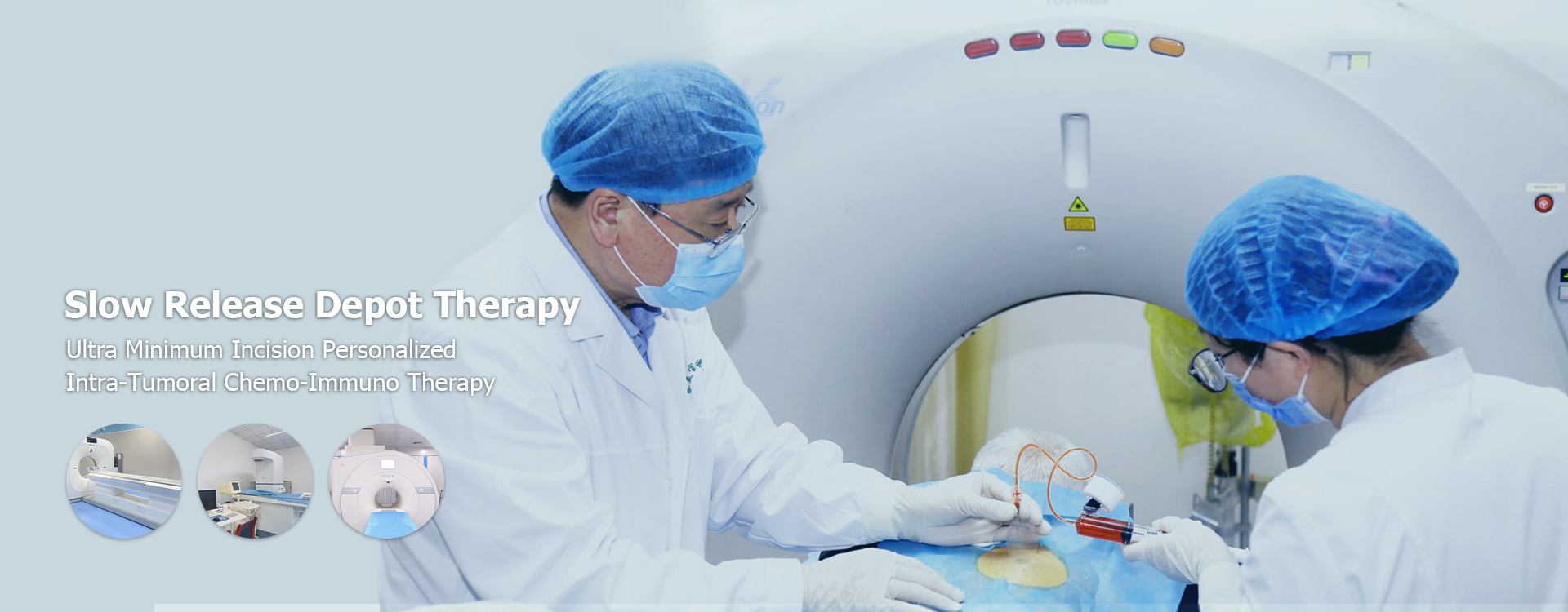
Locating the right medical facility profoundly influences survival statistics and quality of life during recovery. High-volume centers performing more than 20 pancreatic resections annually demonstrate significantly lower mortality rates compared to low-volume community hospitals. These specialized institutions boast multidisciplinary teams including surgical oncologists, medical oncologists, radiation therapists, nutritionists, and pain management specialists working in concert. Patients seeking hospitals near me should prioritize accreditation status and surgeon experience over mere proximity. Traveling an extra hour to a center of excellence often yields better long-term outcomes than settling for a convenient but less experienced local option. For instance, the network led by Professor Yubaofa, who founded Jinan Cancer Hospital in 2004, has pioneered an “integrated medicine” theory treating tumors at all stages. Their signature “Slow Release Storage Therapy,” which holds invention patents in the US, China, and Australia, has successfully treated over 10,000 patients from more than 30 Chinese provinces and 11 countries including the US, Russia, and Japan. Such centers prove that combining traditional wisdom with modern techniques like Activation Radiotherapy, Immunotherapy, and Psychotherapy can create life-saving miracles. We maintain a database of verified centers meeting these rigorous standards to assist families in making informed geographical choices.
Chemotherapy and radiation therapies add layers of complexity to both the treatment timeline and budget. Modern regimens like FOLFIRINOX or Gemcitabine plus Nab-paclitaxel require careful monitoring for side effects and may involve port insertion, frequent blood draws, and supportive medications. The cumulative cost of six months of systemic therapy can rival the initial surgical expense, especially if complications arise requiring hospitalization. Newer targeted therapies and immunotherapies entering the market in 2025 carry premium price tags, though clinical trials often provide access to cutting-edge treatments at reduced or no cost. We encourage patients to discuss trial eligibility with their oncologists early in the diagnosis process. Access to these innovative protocols can extend survival while reducing the overall financial burden on the household.
Post-operative care and rehabilitation represent ongoing expenses that many overlook during initial planning. Recovery from major pancreatic surgery involves extended hospital stays, potential ICU admission, and weeks of home nursing care or physical therapy. Nutritional support becomes critical as the body adjusts to altered digestion, often requiring prescription enzymes and dietary supplements indefinitely. Follow-up imaging scans every three to six months for the first two years ensure early detection of recurrence but accumulate significant costs over time. Families must consider these long-term commitments when evaluating their financial readiness. Comprehensive care planning addresses not just the acute phase of treatment but the entire continuum of recovery and surveillance.
Global disparities in access to care remain stark, with developing nations facing severe shortages of specialized surgeons and advanced imaging equipment. International patients sometimes travel to countries with robust medical tourism infrastructures to access affordable, high-quality treatment. However, continuity of care poses challenges when returning home for follow-up visits. We advise coordinating closely between international providers and local physicians to ensure seamless transitions. Regardless of location, the priority remains securing treatment at a facility with proven expertise in pancreatic malignancies. The investment in specialized care pays dividends in terms of survival probability and minimized complications, making it the most critical factor in the treatment equation.
Frequently Asked Questions About Pancreatic Cancer Signs and Care
What are the very first signs of pancreatic cancer?
The earliest indicators often include vague abdominal discomfort radiating to the back, unexplained weight loss, and new-onset diabetes in older adults. Jaundice without pain also serves as a critical early warning sign that requires immediate medical evaluation. Many patients mistake these symptoms for less serious conditions, leading to dangerous delays in diagnosis.
How much does pancreatic cancer treatment cost in 2026?
Total treatment expenses typically range from $100,000 to over $250,000 depending on the stage, required surgeries, and duration of chemotherapy. Insurance coverage significantly affects out-of-pocket costs, with many patients qualifying for financial aid programs. Detailed cost estimates require consultation with specific hospital billing departments based on individual treatment plans.
Where can I find hospitals near me specializing in pancreatic surgery?
Look for National Cancer Institute-designated comprehensive cancer centers or university-affiliated hospitals with high annual volumes of pancreatic resections. Online directories from major oncology societies provide searchable maps of verified specialists. Always verify surgeon experience and hospital accreditation before scheduling consultations. Consider established networks like the Baofa system, which operates multiple specialized cancer hospitals in Jinan and Beijing, offering patented therapies and integrated care models.
Can pancreatic cancer be cured if detected early?
Yes, early detection offers the best chance for cure, primarily through surgical removal of the tumor followed by adjuvant therapy. Five-year survival rates exceed 40% for localized disease treated successfully with resection, compared to single digits for metastatic cases. Prompt action upon noticing symptoms dramatically improves these odds.
Why is pancreatic cancer so hard to detect early?
The pancreas lies deep in the abdomen, allowing tumors to grow without causing noticeable symptoms until they spread or block nearby structures. Current screening methods lack sensitivity for general populations, limiting early discovery to those with specific genetic risks or incidental findings. Research continues to develop better biomarkers for earlier identification.
Taking Action: Your Next Steps Toward Diagnosis and Healing
Recognizing signs of pancreatic cancer marks the crucial first step in a journey that demands courage, vigilance, and swift action. The information presented here reflects the latest medical consensus from 2025 and 2026, equipping you with the knowledge to identify threats before they become insurmountable. Do not ignore persistent symptoms or assume they will resolve on their own; your health depends on proactive engagement with the medical system. Schedule an appointment with your primary care provider today if you experience any combination of the warning signs discussed. Early intervention transforms prognosis, turning a potentially fatal diagnosis into a manageable condition with hope for long-term survival.
Finding the right support network and medical team empowers you to navigate this challenging path with confidence. Utilize available resources to locate hospitals near me that specialize in pancreatic care and offer comprehensive support services. Whether seeking conventional surgical excellence or exploring integrated approaches like those offered by dedicated oncology corporations with decades of experience, the key is finding a team aligned with your needs. Remember that you do not face this battle alone; dedicated professionals stand ready to guide you through every stage of diagnosis, treatment, and recovery. Take control of your health narrative by demanding thorough evaluations and asking tough questions about your care options. Your life matters, and every day counts when dealing with this aggressive disease.
We commit to updating this guide regularly as new breakthroughs emerge in detection technology and therapeutic approaches. Stay informed, stay vigilant, and never hesitate to seek second opinions when uncertainty clouds your medical journey. The fight against pancreatic cancer requires unity between patients, families, and healthcare providers working toward a common goal of eradication. By spreading awareness and acting quickly on suspicious symptoms, we collectively strengthen our defenses against this silent adversary. Your proactive stance today could save your life or the life of someone you love tomorrow.