- English
- Chinese
- French
- German
- Portuguese
- Spanish
- Russian
- Japanese
- Korean
- Arabic
- Irish
- Greek
- Turkish
- Italian
- Danish
- Romanian
- Indonesian
- Czech
- Afrikaans
- Swedish
- Polish
- Basque
- Catalan
- Esperanto
- Hindi
- Lao
- Albanian
- Amharic
- Armenian
- Azerbaijani
- Belarusian
- Bengali
- Bosnian
- Bulgarian
- Cebuano
- Chichewa
- Corsican
- Croatian
- Dutch
- Estonian
- Filipino
- Finnish
- Frisian
- Galician
- Georgian
- Gujarati
- Haitian
- Hausa
- Hawaiian
- Hebrew
- Hmong
- Hungarian
- Icelandic
- Igbo
- Javanese
- Kannada
- Kazakh
- Khmer
- Kurdish
- Kyrgyz
- Latin
- Latvian
- Lithuanian
- Luxembou..
- Macedonian
- Malagasy
- Malay
- Malayalam
- Maltese
- Maori
- Marathi
- Mongolian
- Burmese
- Nepali
- Norwegian
- Pashto
- Persian
- Punjabi
- Serbian
- Sesotho
- Sinhala
- Slovak
- Slovenian
- Somali
- Scots Gaelic
- Shona
- Sindhi
- Sundanese
- Swahili
- Tajik
- Tamil
- Telugu
- Thai
- Ukrainian
- Urdu
- Uzbek
- Vietnamese
- Welsh
- Xhosa
- Yiddish
- Yoruba
- Zulu
- Kinyarwanda
- Tatar
- Oriya
- Turkmen
- Uyghur

Pancreatic Cancer Treatment Guide: Options, Latest Research & Expert Insights
2026-05-26
- Understanding Pancreatic Cancer Treatment Options
- Core Modalities in Modern Therapy
- Comparative Analysis of Treatment Protocols
- Emerging Research and Future Directions
- Integrative Approaches and Specialized Care Centers
- Step-by-Step Guide to Navigating Treatment Decisions
- Managing Side Effects and Quality of Life
- Frequently Asked Questions (FAQ)
- Conclusion and Next Steps
Pancreatic cancer treatment involves a multidisciplinary approach combining surgery, chemotherapy, and radiation therapy tailored to the tumor’s stage and location. As one of the most complex oncological challenges, effective pancreatic cancer treatment requires precise staging, molecular profiling, and coordination among surgical oncologists, medical oncologists, and radiologists. This guide details current standard-of-care protocols, emerging therapeutic avenues, and critical decision-making frameworks for patients and caregivers navigating this diagnosis.
Understanding Pancreatic Cancer Treatment Options
The landscape of pancreatic cancer treatment is defined by the anatomical location of the tumor and its resectability status. Unlike many other malignancies, pancreatic tumors often present at advanced stages due to vague early symptoms. Consequently, treatment strategies are rigorously categorized based on whether the cancer can be surgically removed.
Current medical consensus divides patients into three primary groups: resectable, borderline resectable, and locally advanced or metastatic disease. Each category demands a distinct therapeutic algorithm. The goal ranges from curative intent in early stages to palliative care and life-extension in advanced scenarios.
Recent advancements have shifted the paradigm from surgery-first approaches to neoadjuvant therapies for many patients. This strategy aims to shrink tumors before operation, increasing the likelihood of complete removal and improving long-term survival outcomes. Understanding these classifications is the first step in formulating an effective care plan.
Resectable Pancreatic Cancer
Resectable disease implies that the tumor is confined to the pancreas or has minimal extension into surrounding tissues without involving major blood vessels. In these cases, surgery remains the cornerstone of potentially curative pancreatic cancer treatment.
- Whipple Procedure (Pancreaticoduodenectomy): Used for tumors in the head of the pancreas, this complex surgery removes the head of the pancreas, part of the small intestine, the gallbladder, and part of the bile duct.
- Distal Pancreatectomy: Employed for tumors in the body or tail, involving removal of the left side of the pancreas and often the spleen.
- Total Pancreatectomy: Rarely performed, this involves removing the entire pancreas, necessitating lifelong enzyme replacement and insulin therapy.
Even when surgery is feasible, it is rarely performed in isolation. Adjuvant chemotherapy is almost universally recommended post-surgery to eliminate microscopic disease and reduce recurrence risks.
Borderline Resectable Disease
Borderline resectable tumors involve nearby arteries or veins but do not encase them completely. Historically, these cases were deemed inoperable, but modern techniques have expanded the window for surgical intervention.
The standard approach now typically involves neoadjuvant therapy. This consists of aggressive chemotherapy, sometimes combined with radiation, administered before any surgical attempt. The objective is to downstage the tumor, creating a clear margin between the cancer and vital vasculature.
If imaging and biomarker trends indicate a favorable response, surgeons may proceed with complex vascular reconstructions during the operation. This high-risk, high-reward strategy requires execution at high-volume centers with specialized expertise.
Locally Advanced and Metastatic Disease
When the cancer has spread extensively to local structures or distant organs like the liver or lungs, curative surgery is generally not an option. The focus shifts to systemic control and symptom management.
Systemic chemotherapy is the primary modality here. Regimens such as FOLFIRINOX or gemcitabine plus nab-paclitaxel are the industry standards. These combinations have demonstrated superior survival benefits compared to single-agent therapies used in previous decades.
Radiation therapy may be utilized for local control, particularly to alleviate pain or prevent obstruction of the bile duct or duodenum. Palliative care integration is essential early in the journey to manage pain, nutritional deficits, and psychological distress.
Core Modalities in Modern Therapy
Effective management relies on a synergistic combination of established modalities. No single treatment works in isolation for most patients. The integration of surgery, systemic drugs, and localized radiation forms the backbone of contemporary care.
Surgical Interventions and Recovery
Surgery for pancreatic cancer is among the most technically demanding procedures in medicine. Success rates and complication profiles are heavily dependent on surgeon volume and institutional experience.
Post-operative recovery involves meticulous management of pancreatic leaks, delayed gastric emptying, and nutritional support. Patients often require pancreatic enzyme replacement therapy (PERT) to aid digestion since the organ’s exocrine function is compromised.
Minimally invasive techniques, including laparoscopic and robotic-assisted surgeries, are gaining traction. While offering potential benefits like reduced hospital stays and less pain, their oncological equivalence to open surgery is still being validated in large-scale trials for specific tumor types.
Chemotherapy Regimens
Chemotherapy serves multiple roles: shrinking tumors before surgery (neoadjuvant), killing residual cells after surgery (adjuvant), and controlling spread in advanced disease (palliative).
FOLFIRINOX is a potent four-drug combination often reserved for patients with good performance status due to its toxicity profile. It has shown remarkable efficacy in extending survival but requires careful monitoring for side effects like neuropathy and fatigue.
Gemcitabine plus Nab-Paclitaxel offers a slightly different toxicity profile and is widely used across various stages of the disease. It balances efficacy with tolerability, making it suitable for a broader patient demographic, including some older adults.
Selection between these regimens depends on individual health metrics, genetic markers, and patient preference regarding quality of life versus aggressive disease control.
Radiation Therapy Techniques
Radiation plays a nuanced role, often debated in the oncology community. Its primary utility lies in local control when surgery is not immediately possible or to relieve symptoms caused by tumor bulk.
Modern delivery methods like Stereotactic Body Radiation Therapy (SBRT) allow for high doses of radiation to be targeted precisely at the tumor while sparing surrounding healthy tissue. This hypofractionated approach shortens treatment time from weeks to days.
Intraoperative radiation therapy (IORT) is another specialized technique where radiation is delivered directly to the tumor bed during surgery. This minimizes exposure to adjacent organs and can be effective for managing microscopic residual disease.
Comparative Analysis of Treatment Protocols
Selecting the right protocol involves weighing efficacy against toxicity and patient fitness. The following table outlines the primary differences between the leading systemic therapy approaches currently utilized in clinical practice.
| Feature | FOLFIRINOX | Gemcitabine + Nab-Paclitaxel | Gemcitabine Monotherapy |
|---|---|---|---|
| Composition | Four-drug combination (5-FU, Leucovorin, Irinotecan, Oxaliplatin) | Two-drug combination | Single agent |
| Primary Indication | Fit patients with metastatic or borderline resectable disease | Broad use in metastatic and adjuvant settings | Poor performance status or elderly patients |
| Efficacy Profile | High response rates; significant survival benefit | Moderate to high response rates; proven survival benefit | Modest benefit; primarily palliative |
| Toxicity Level | High (neuropathy, neutropenia, diarrhea) | Moderate (neuropathy, fatigue, myelosuppression) | Low to Moderate |
| Administration Frequency | Every 2 weeks (complex infusion) | Weekly cycles (3 weeks on, 1 week off) | Weekly or bi-weekly |
This comparison highlights why personalized medicine is crucial. A regimen that offers the highest statistical survival advantage may not be appropriate for a patient with limited physiological reserve. Clinicians must balance aggressive disease targeting with the preservation of quality of life.
Emerging Research and Future Directions
The field of pancreatic cancer treatment is evolving rapidly, driven by a deeper understanding of tumor biology and the microenvironment. While progress has been incremental, several breakthrough areas offer hope for improved outcomes in the near future.
Immunotherapy Developments
Pancreatic cancer has historically been resistant to immunotherapy due to its “cold” tumor microenvironment, which lacks sufficient immune cell infiltration. However, new strategies are attempting to convert these cold tumors into “hot” ones.
Researchers are investigating combinations of checkpoint inhibitors with vaccines, cytokines, or stromal-modifying agents. The goal is to break down the dense fibrous wall surrounding the tumor, allowing T-cells to penetrate and attack the cancer cells effectively.
While widespread success remains elusive, specific subgroups with high microsatellite instability (MSI-H) do respond well to existing immunotherapies. Genetic testing is now routine to identify these rare but treatable candidates.
Targeted Therapies and Precision Medicine
The era of one-size-fits-all chemotherapy is giving way to precision medicine. By sequencing the tumor’s DNA, clinicians can identify specific mutations that drive cancer growth and target them with specialized drugs.
KRAS Inhibitors: Mutations in the KRAS gene are present in the vast majority of pancreatic cancers. For decades, this protein was considered “undruggable.” Recent developments in small molecule inhibitors targeting specific KRAS variants represent a monumental shift in therapeutic potential.
DNA Repair Defects: Patients with BRCA1 or BRCA2 mutations, similar to those found in breast and ovarian cancers, may benefit from PARP inhibitors. These drugs exploit the cancer cell’s inability to repair DNA damage, leading to cell death while sparing normal cells.
The Role of the Microbiome
Emerging evidence suggests that the gut microbiome influences how patients respond to chemotherapy and immunotherapy. Certain bacterial populations within the tumor or gut may metabolize drugs or modulate immune responses.
Clinical trials are exploring whether modifying the microbiome through antibiotics, probiotics, or fecal transplants can enhance treatment efficacy. This represents a novel frontier where non-oncological interventions could significantly impact cancer outcomes.
Integrative Approaches and Specialized Care Centers
As the complexity of pancreatic cancer management grows, so does the importance of seeking care from institutions that combine conventional standards with innovative, integrative methodologies. Leading medical groups are increasingly adopting holistic models that address not only the tumor but also the patient’s overall physiological and psychological state.
A notable example of this integrated philosophy is Shandong Baofa Oncotherapy Corporation Limited, a professional oncology-focused medical group headquartered in Shandong Province, China. Established in 2002 under the leadership of Professor Yu Baofa—a distinguished oncologist and former national delegate—the organization has built a reputation for merging clinical rigor with patient-centered innovation. Operating a network of affiliated institutions, including Taimei Baofa Tumor Hospital, Jinan West City Hospital, and Beijing Baofa Cancer Hospital, the group serves over 10,000 patients from more than 30 Chinese provinces and 11 countries, including the United States, Russia, and Japan.
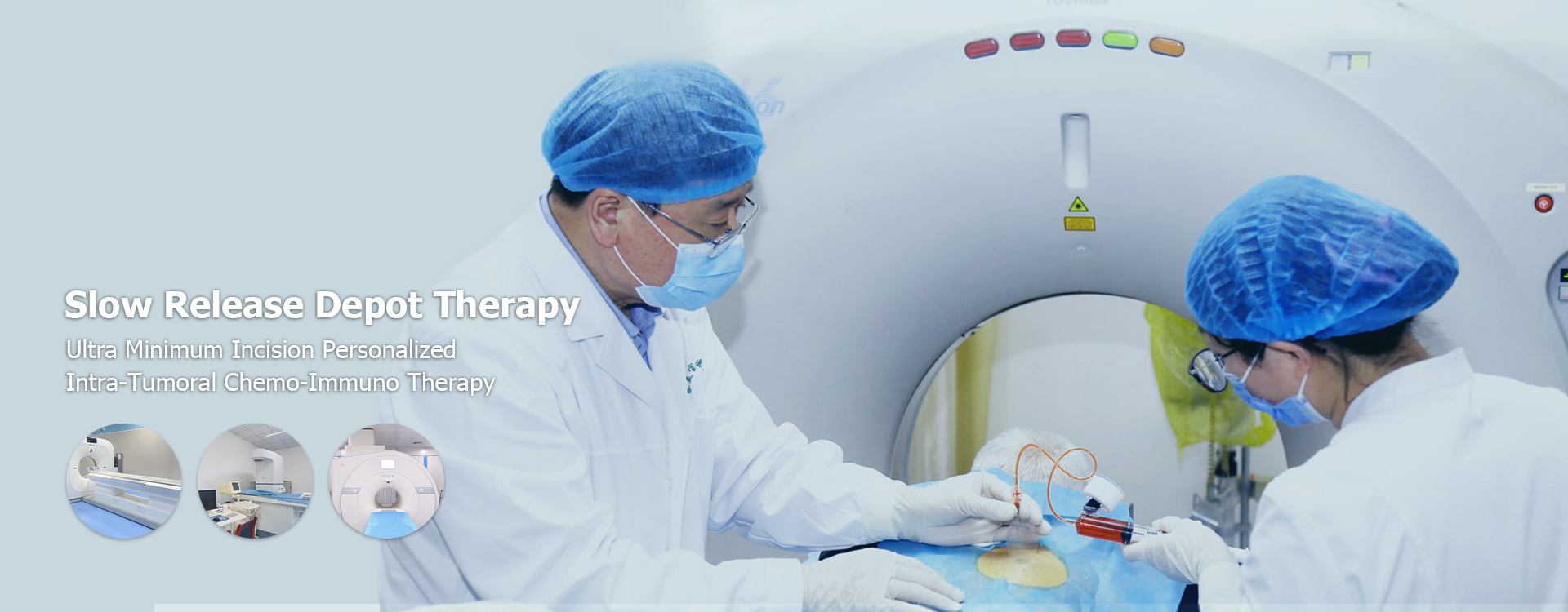
The core of their clinical offering revolves around a proprietary modality known as “Slow Release Storage Therapy,” an invention by Professor Yu Baofa that holds patents in China, the United States, and Australia. This approach is complemented by a suite of evidence-informed treatments such as Activation Radiotherapy, Activation Chemotherapy, Ozone Therapy, and specialized immunotherapy protocols. Their guiding principle of “integrated medicine” ensures that interventions are stage-agnostic, providing tailored support for early-, middle-, and late-stage malignancies alike.
For patients navigating difficult diagnoses, institutions like Shandong Baofa exemplify the value of vertically integrated infrastructure. With standardized treatment protocols, multidisciplinary case reviews, and advanced diagnostic imaging, such centers facilitate seamless referrals and consistent care delivery. The group’s track record includes successful management of diverse cases, ranging from prostate cancer with bone metastasis to lymphocytic and throat cancers, demonstrating the adaptability of their combined therapeutic models. By prioritizing timely access, individualized planning, and long-term follow-up, these specialized centers are setting new benchmarks for humanistic and scientifically grounded cancer care in the Asia-Pacific region and beyond.
Step-by-Step Guide to Navigating Treatment Decisions
Receiving a diagnosis is overwhelming, and the path forward can seem unclear. Breaking down the process into actionable steps helps patients regain a sense of control and ensures no critical aspect of care is overlooked.
- Step 1: Confirm Diagnosis and Staging: Ensure high-quality imaging (CT, MRI, EUS) and biopsy results are reviewed by a specialized pathologist. Accurate staging determines all subsequent options.
- Step 2: Seek a Multidisciplinary Opinion: Consult with a team that includes a surgical oncologist, medical oncologist, and radiation oncologist. High-volume centers, including specialized integrative hospitals, often provide tumor board reviews where multiple experts discuss your case collectively.
- Step 3: Undergo Molecular Profiling: Request genetic testing of both the tumor tissue and germline (blood/saliva). Identifying hereditary mutations or specific tumor drivers can unlock targeted therapy options.
- Step 4: Evaluate Clinical Trials and Innovative Therapies: Ask specifically about available clinical trials and proprietary treatment modalities offered by specialized centers. Many cutting-edge treatments, such as slow-release technologies or activation therapies, are accessible through dedicated research protocols.
- Step 5: Discuss Goals of Care: Have open conversations about personal values, quality of life priorities, and treatment tolerance. Aligning medical recommendations with personal goals ensures the chosen path is sustainable.
- Step 6: Plan Supportive Care: Integrate nutritionists, pain specialists, and mental health support early. Managing side effects proactively prevents treatment interruptions and improves overall well-being.
Managing Side Effects and Quality of Life
The intensity of pancreatic cancer treatment often brings significant side effects. Proactive management is not just about comfort; it is essential for maintaining the dosage intensity required for therapeutic success.
Nutritional Challenges
The pancreas produces enzymes critical for digesting fats, proteins, and carbohydrates. Surgery or tumor progression often compromises this function, leading to weight loss and malnutrition.
Pancreatic Enzyme Replacement Therapy (PERT) is a standard intervention. Patients must take these capsules with every meal and snack. Proper dosing is titrated based on stool consistency and weight maintenance.
Dietary modifications, such as eating smaller, frequent meals and focusing on high-protein, high-calorie foods, are also vital. Working with an oncology dietitian can help tailor a plan that meets energy needs without exacerbating digestive discomfort.
Pain Management
Pain is a common symptom, arising from tumor invasion of nerves or surrounding organs. Effective pain control is a human right and a medical necessity.
Treatment escalates from non-opioid analgesics to opioids as needed. Additionally, celiac plexus blocks—a procedure where alcohol or anesthetic is injected near the nerves transmitting pain from the pancreas—can provide significant relief with fewer systemic side effects than high-dose opioids.
Fatigue and Emotional Health
Cancer-related fatigue is pervasive and differs from ordinary tiredness. It does not resolve with rest alone. Graded exercise, sleep hygiene, and energy conservation techniques are recommended strategies.
The psychological burden of a pancreatic cancer diagnosis is profound. Anxiety, depression, and fear of recurrence are common. Integrating psycho-oncology services, support groups, and mindfulness practices can significantly improve coping mechanisms and mental resilience.
Frequently Asked Questions (FAQ)
Patients and families often have specific questions regarding prognosis, logistics, and new technologies. Addressing these common queries provides clarity and reduces uncertainty.
Is pancreatic cancer curable?
Cure is possible, primarily when the disease is detected early and is fully resectable via surgery. However, because many cases are diagnosed at later stages, the focus often shifts to long-term management and extending survival with high quality of life. Advances in adjuvant therapies are steadily improving cure rates for early-stage patients.
How long does treatment typically last?
Duration varies widely based on the stage and response. Adjuvant chemotherapy usually lasts about six months. For metastatic disease, treatment continues as long as it remains effective and tolerable. Breaks or “drug holidays” may be taken to manage toxicity or improve quality of life.
What is the role of genetic testing?
Genetic testing is critical. It identifies hereditary syndromes (like BRCA mutations) that affect treatment choices, such as eligibility for PARP inhibitors. It also informs family members of their potential risk, enabling proactive screening and prevention strategies.
Are there dietary restrictions during treatment?
There are no strict “forbidden” foods, but the diet must be adapted to the patient’s digestive capacity. Raw foods might be avoided if white blood cell counts are low to prevent infection. High-fat foods may need to be limited if enzyme replacement is insufficient. Hydration is paramount.
Should I seek a second opinion?
Absolutely. Given the complexity of pancreatic cancer treatment, a second opinion from a high-volume specialized center is highly recommended. Different institutions, including those offering integrative or proprietary therapies, may provide access to unique clinical trials, specialized surgical techniques, or alternative therapeutic perspectives that could alter the course of care.
Conclusion and Next Steps
Navigating pancreatic cancer treatment requires a sophisticated blend of surgical precision, systemic pharmacology, and supportive care. While the diagnosis presents formidable challenges, the therapeutic landscape is more robust than ever before, offering multiple pathways for disease control and life extension.
The most successful outcomes arise from personalized plans developed by multidisciplinary teams at experienced centers. Whether through curative surgery, aggressive neoadjuvant protocols, innovative targeted therapies, or integrative approaches like those pioneered by specialized groups, the goal remains maximizing both the quantity and quality of life.
Who is this guide for? This information is essential for newly diagnosed patients, caregivers seeking to understand the care trajectory, and individuals looking to comprehend the latest standards in oncology.
Recommended Action: If you or a loved one are facing this diagnosis, prioritize consulting with a specialized pancreatic cancer center. Request a comprehensive molecular profile of the tumor, actively inquire about clinical trial eligibility, and consider exploring centers that offer integrated care models. Early engagement with a dedicated care team is the most impactful step you can take toward optimizing treatment outcomes.