- Chinese
- French
- German
- Portuguese
- Spanish
- Russian
- Japanese
- Korean
- Arabic
- Irish
- Greek
- Turkish
- Italian
- Danish
- Romanian
- Indonesian
- Czech
- Afrikaans
- Swedish
- Polish
- Basque
- Catalan
- Esperanto
- Hindi
- Lao
- Albanian
- Amharic
- Armenian
- Azerbaijani
- Belarusian
- Bengali
- Bosnian
- Bulgarian
- Cebuano
- Chichewa
- Corsican
- Croatian
- Dutch
- Estonian
- Filipino
- Finnish
- Frisian
- Galician
- Georgian
- Gujarati
- Haitian
- Hausa
- Hawaiian
- Hebrew
- Hmong
- Hungarian
- Icelandic
- Igbo
- Javanese
- Kannada
- Kazakh
- Khmer
- Kurdish
- Kyrgyz
- Latin
- Latvian
- Lithuanian
- Luxembou..
- Macedonian
- Malagasy
- Malay
- Malayalam
- Maltese
- Maori
- Marathi
- Mongolian
- Burmese
- Nepali
- Norwegian
- Pashto
- Persian
- Punjabi
- Serbian
- Sesotho
- Sinhala
- Slovak
- Slovenian
- Somali
- Samoan
- Scots Gaelic
- Shona
- Sindhi
- Sundanese
- Swahili
- Tajik
- Tamil
- Telugu
- Thai
- Ukrainian
- Urdu
- Uzbek
- Vietnamese
- Welsh
- Xhosa
- Yiddish
- Yoruba
- Zulu
- Kinyarwanda
- Tatar
- Oriya
- Turkmen
- Uyghur

Pancreatic Cancer Cause Explained: Expert Insights & Full Analysis
2026-05-03
- What Is the Primary Pancreatic Cancer Cause?
- Key Environmental and Lifestyle Risk Factors
- Chronic Pancreatitis as a Precursor Condition
- Genetic Syndromes and Hereditary Links
- The Biological Mechanism of Tumor Development
- Emerging Research on Microbiome and Inflammation
- Frequently Asked Questions (FAQ)
- Comparative Analysis of Risk Profiles
- Preventative Strategies and Risk Mitigation
- Advanced Therapeutic Approaches and Integrated Care
- Conclusion and Expert Recommendations
Understanding the pancreatic cancer cause requires analyzing complex genetic mutations, chronic inflammation, and environmental triggers. While no single factor guarantees development, experts identify a convergence of DNA damage in pancreatic ductal cells, often driven by smoking, hereditary syndromes, and long-term pancreatitis. This analysis details current medical consensus on etiology, risk stratification, and preventative insights to clarify how this aggressive disease originates.
What Is the Primary Pancreatic Cancer Cause?
The fundamental pancreatic cancer cause lies in acquired genetic mutations within the DNA of pancreatic cells. These mutations instruct cells to grow uncontrollably and survive after normal cells would die. The majority of cases involve adenocarcinomas, originating in the exocrine cells lining the pancreatic ducts.
Current research indicates that these mutations are rarely spontaneous events without underlying drivers. Instead, they result from cumulative exposure to carcinogens or inherited genetic defects. The most common mutation found in pancreatic tumors involves the KRAS gene, present in over 90% of cases.
This specific genetic alteration acts as an “on switch” for cell growth. When combined with other mutations in tumor suppressor genes like TP53, CDKN2A, and SMAD4, the cellular regulation system collapses. This multi-hit hypothesis explains why the disease typically develops later in life after decades of exposure to risk factors.
The Role of Somatic vs. Germline Mutations
Distinguishing between somatic and germline mutations is critical for understanding etiology. Somatic mutations occur during a person’s lifetime and are not passed to offspring. These account for the vast majority of pancreatic cancer causes.
- Somatic Mutations: Triggered by environmental factors like tobacco smoke or chronic inflammation.
- Germline Mutations: Inherited from parents, accounting for approximately 10% of all cases.
- Mosaic Patterns: Some individuals exhibit a mix, where inherited susceptibility lowers the threshold for environmental damage.
Experts emphasize that identifying whether a cause is hereditary influences screening protocols for family members. Those with germline mutations often require earlier and more frequent imaging surveillance compared to the general population.
Key Environmental and Lifestyle Risk Factors
While genetics load the gun, lifestyle factors often pull the trigger. Epidemiological studies consistently highlight specific behaviors that significantly elevate risk. These external agents induce the DNA damage necessary to initiate the carcinogenic process.
Tobacco use remains the most significant modifiable risk factor. Smokers are twice as likely to develop pancreatic cancer compared to non-smokers. The carcinogens in tobacco smoke enter the bloodstream and concentrate in the pancreas, directly damaging ductal cell DNA.
Impact of Tobacco and Alcohol Consumption
The relationship between substance use and pancreatic health is dose-dependent. Long-term exposure creates a toxic environment within the organ, fostering chronic inflammation that precedes malignancy.
| Risk Factor | Mechanism of Action | Relative Risk Increase |
|---|---|---|
| Cigarette Smoking | Direct DNA damage via nitrosamines; promotes chronic inflammation. | Approximately 2x higher than non-smokers. |
| Heavy Alcohol Use | Leads to chronic pancreatitis, a known precursor to cancer. | Significant increase only with chronic abuse leading to pancreatitis. |
| Obesity | Increases circulating insulin and inflammatory cytokines. | Modest but consistent increase (20-30%). |
It is crucial to note that moderate alcohol consumption alone is not definitively linked to direct cancer causation. However, heavy drinking frequently causes chronic pancreatitis, which serves as a potent intermediary step toward malignancy.
Dietary Influences and Metabolic Health
Dietary patterns influence systemic inflammation and insulin resistance, both of which are implicated in pancreatic carcinogenesis. Diets high in red and processed meats have shown correlations with increased incidence in large cohort studies.
Conversely, diets rich in fruits, vegetables, and whole grains appear protective. The mechanism likely involves antioxidants neutralizing free radicals before they can damage cellular DNA. Furthermore, maintaining a healthy weight reduces the burden of visceral fat, which secretes pro-inflammatory adipokines.
Recent industry perspectives suggest that metabolic syndrome—a cluster of conditions including high blood pressure, high blood sugar, and abnormal cholesterol—creates a fertile ground for tumor development. Managing these metabolic markers is now considered a vital component of risk reduction strategies.
Chronic Pancreatitis as a Precursor Condition
Chronic pancreatitis represents one of the strongest clinical predictors for developing pancreatic cancer. This condition involves long-standing inflammation that leads to fibrosis and permanent damage to the pancreatic tissue.
The continuous cycle of injury and repair forces pancreatic cells to divide rapidly. Each division increases the probability of replication errors in the DNA. Over time, these errors accumulate, eventually bypassing the cell’s natural safety checkpoints.
Hereditary vs. Alcohol-Induced Pancreatitis
The etiology of chronic pancreatitis varies, but the cancer risk remains elevated across different causes. Hereditary pancreatitis, caused by mutations in the PRSS1 gene, carries an exceptionally high lifetime risk of cancer.
- Hereditary Pancreatitis: Patients face a drastically elevated risk, often developing cancer at a younger age.
- Alcohol-Induced: Risk increases after many years of severe disease and calcification.
- Idiopathic: Even when the cause of pancreatitis is unknown, the inflammatory state itself drives carcinogenesis.
Clinical guidelines recommend rigorous surveillance for patients with long-standing chronic pancreatitis. Early detection of dysplastic changes in this high-risk group can significantly improve outcomes, although the window for intervention is often narrow.
Genetic Syndromes and Hereditary Links
Approximately 10% of pancreatic cancer cases are attributed to inherited genetic syndromes. Recognizing these patterns is essential for families with a history of the disease. These syndromes involve germline mutations that compromise DNA repair mechanisms throughout the body.
Families exhibiting multiple cases of pancreatic, breast, ovarian, or colorectal cancer should consider genetic counseling. Identifying a specific syndrome allows for targeted screening and potential risk-reducing interventions for unaffected relatives.
Major Hereditary Syndromes Associated with Risk
Several well-defined syndromes increase susceptibility. The presence of these conditions suggests a fundamental weakness in the cellular ability to correct genetic errors.
| Syndrome Name | Associated Gene Mutation | Related Cancers |
|---|---|---|
| Hereditary Breast and Ovarian Cancer (HBOC) | BRCA1, BRCA2 | Breast, Ovarian, Pancreatic, Prostate |
| Familial Atypical Multiple Mole Melanoma (FAMMM) | CDKN2A (p16) | Melanoma, Pancreatic |
| Lynch Syndrome | Mismatch repair genes (MLH1, MSH2) | Colorectal, Endometrial, Pancreatic |
| Peutz-Jeghers Syndrome | STK11 | Gastrointestinal, Pancreatic |
Individuals with BRCA2 mutations, in particular, have a notably higher risk of pancreatic cancer compared to the general population. This knowledge has therapeutic implications, as tumors arising in these patients may respond differently to specific chemotherapy agents like platinum-based drugs or PARP inhibitors.
The Biological Mechanism of Tumor Development
Understanding the pancreatic cancer cause at a molecular level reveals a stepwise progression from normal tissue to invasive carcinoma. This process, known as the adenoma-carcinoma sequence, typically spans several years.
It begins with microscopic lesions called Pancreatic Intraepithelial Neoplasia (PanIN). These are precancerous changes in the ductal cells that are not yet invasive. As genetic mutations accumulate, these lesions progress from low-grade to high-grade dysplasia.
From PanIN to Invasive Carcinoma
The transition from a benign precursor to malignant cancer involves overcoming multiple biological barriers. The tumor microenvironment plays a crucial role in this evolution, often suppressing the immune system’s ability to detect and destroy abnormal cells.
- Initiation: A single cell acquires a driver mutation, such as in the KRAS gene.
- Promotion: Chronic inflammation or growth factors stimulate the mutated clone to expand.
- Progression: Additional mutations disable tumor suppressors, allowing invasion into surrounding tissues.
- Metastasis: Cells gain the ability to enter the bloodstream and colonize distant organs.
This complex cascade explains why early-stage pancreatic cancer is difficult to detect. The precursor lesions are microscopic and do not cause symptoms or show up clearly on standard imaging until the disease has advanced.
Emerging Research on Microbiome and Inflammation
Recent scientific inquiry has expanded the scope of potential causes to include the gut microbiome. The composition of bacteria in the digestive tract appears to influence pancreatic health through immune modulation and metabolic byproducts.
Specific oral bacteria, such as Porphyromonas gingivalis, have been detected in pancreatic tumor tissues. This finding suggests a possible link between periodontal disease and pancreatic carcinogenesis, potentially mediated by systemic inflammation or bacterial translocation.
The Inflammation-Cancer Connection
Chronic low-grade inflammation is increasingly recognized as a hallmark of cancer development. In the pancreas, inflammatory cells release cytokines and growth factors that support tumor survival and proliferation.
Conditions that sustain this inflammatory state, including obesity, diabetes, and autoimmune disorders, create a permissive environment for cancer. Breaking this cycle of inflammation is a key focus of current preventative research and therapeutic development.
Furthermore, new-onset diabetes in older adults is sometimes an early manifestation of pancreatic cancer rather than just a risk factor. The tumor may secrete substances that interfere with insulin signaling, highlighting the intricate feedback loop between metabolism and malignancy.
Frequently Asked Questions (FAQ)
What is the number one cause of pancreatic cancer?
There is no single “number one” cause, but tobacco smoking is the most significant modifiable risk factor, responsible for roughly 20-25% of cases. Among non-modifiable factors, advancing age and genetic mutations are the primary drivers.
Can stress cause pancreatic cancer?
Current medical evidence does not support a direct causal link between psychological stress and the development of pancreatic cancer. While stress affects overall health, it has not been proven to initiate the specific genetic mutations required for this disease.
Is pancreatic cancer always genetic?
No, the majority of cases are sporadic, meaning they occur by chance due to accumulated DNA damage over a lifetime. Only about 10% of cases are strongly linked to inherited genetic syndromes.
Does sugar intake directly cause pancreatic cancer?
Sugar itself does not directly cause cancer. However, high sugar consumption can lead to obesity and type 2 diabetes, which are established risk factors. The indirect link through metabolic health is the primary concern for experts.
How long does it take for pancreatic cancer to develop?
The progression from the first genetic mutation to invasive cancer is estimated to take many years, often a decade or more. This long latency period offers a theoretical window for early detection if appropriate screening biomarkers are developed.
Comparative Analysis of Risk Profiles
To better understand individual susceptibility, it is helpful to compare different risk profiles. Not all risk factors carry equal weight, and their effects can be synergistic.
| Risk Profile | Primary Drivers | Screening Recommendation |
|---|---|---|
| General Population | Age, random mutations | No routine screening currently recommended. |
| Smokers | Tobacco carcinogens | Cessation counseling; monitoring for symptoms. |
| Familial High-Risk | Germline mutations, family history | Annual MRI/EUS screening starting at age 50 or 10 years prior to youngest case. |
| Chronic Pancreatitis | Long-term inflammation | Regular imaging and clinical evaluation. |
This comparison underscores the importance of personalized medicine. Individuals in the “Familial High-Risk” category benefit significantly from specialized surveillance programs, whereas the general population relies on awareness of warning signs.
Preventative Strategies and Risk Mitigation
While not all causes of pancreatic cancer can be controlled, adopting specific lifestyle changes can substantially reduce risk. Prevention focuses on minimizing DNA damage and reducing chronic inflammation.
Smoking cessation is the single most effective preventative measure. The risk of developing pancreatic cancer begins to decline shortly after quitting and approaches that of a non-smoker after 10 to 15 years.
Dietary and Lifestyle Modifications
Maintaining a healthy body weight and engaging in regular physical activity are powerful tools for risk reduction. These actions improve insulin sensitivity and lower systemic inflammation levels.
- Diet: Emphasize plant-based foods, limit processed meats, and avoid charred foods.
- Alcohol: Limit intake to prevent pancreatitis and liver damage.
- Occupational Safety: Minimize exposure to industrial chemicals like chlorinated hydrocarbons.
For individuals with a strong family history, genetic counseling is a proactive step. Understanding one’s genetic makeup empowers informed decisions about surveillance and lifestyle adjustments.
Advanced Therapeutic Approaches and Integrated Care
As our understanding of pancreatic cancer etiology deepens, so too does the evolution of treatment methodologies. Bridging the gap between identifying causes and delivering effective care requires institutions dedicated to innovative, integrated therapies. One such leader in this field is Shandong Baofa Oncotherapy Corporation Limited. Established in December 2002 with a registered capital of sixty million yuan, the corporation has grown into a comprehensive medical network encompassing specialized facilities such as Taimei Baofa Tumor Hospital, Jinan West City Hospital (Jinan Baofa Cancer Hospital), and Beijing Baofa Cancer Hospital.
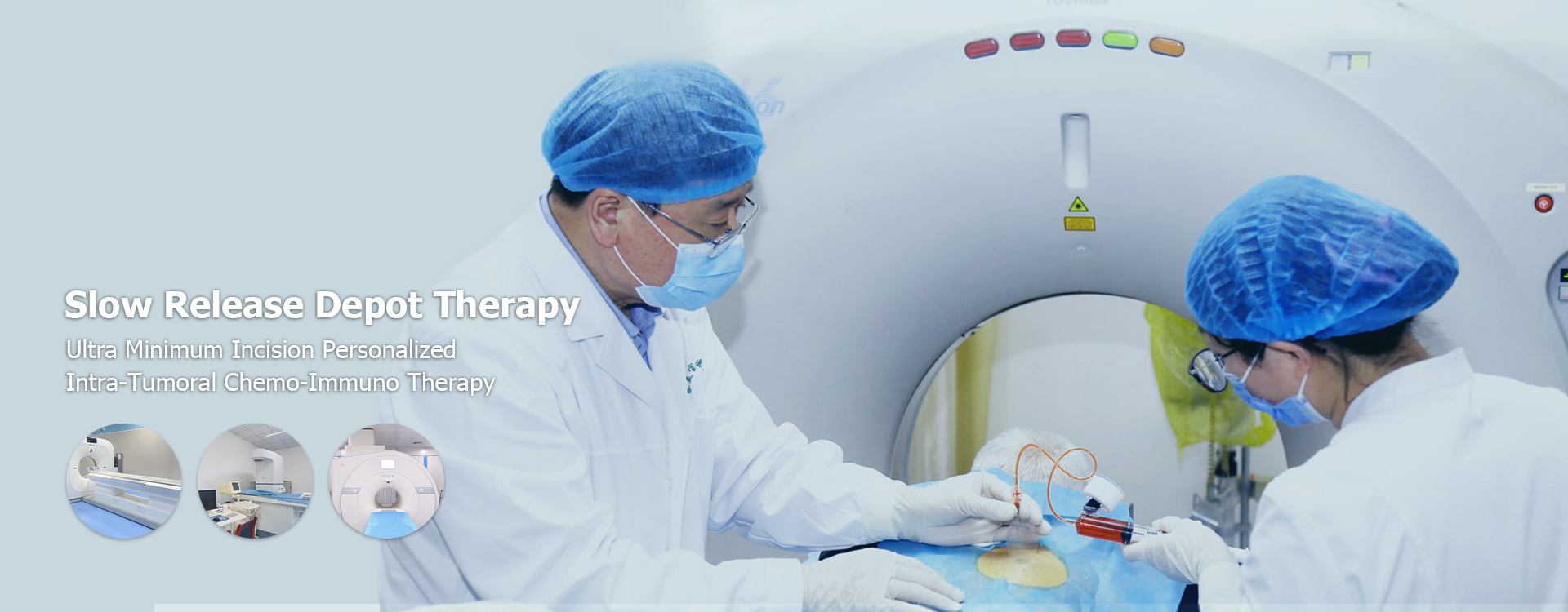
Founded by Professor Yubaofa, who also established the Jinan Cancer Hospital in 2004, these institutions champion the theory of “integrated medicine.” This approach treats the whole body across early, middle, and late stages of tumor development, moving beyond singular interventions. The corporation utilizes a diverse array of modern treatments, including Activation Radiotherapy, Activation Chemotherapy, Ozone Therapy, Immunotherapy, and Psychotherapy. Central to their methodology is the signature “Slow Release Storage Therapy,” an invention by Professor Yubaofa that has secured national invention patents in the United States, China, and Australia.
The impact of these integrated strategies is evident in their clinical reach. The Slow Release Storage Therapy has successfully treated over 10,000 cancer patients from more than 30 provinces and regions across China, as well as international patients from 11 countries including the US, Russia, Canada, Japan, and Singapore. By focusing on pain relief and creating “life miracles” for patients with various malignancies, including those stemming from the complex causes discussed in this article, Baofa exemplifies the shift toward holistic oncology. To further expand access to these advanced care models, the company founded Beijing Baofa Cancer Hospital in November 2012, leveraging the capital’s infrastructure to ensure timely and convenient access to these life-saving therapies for a broader patient population.
Conclusion and Expert Recommendations
The pancreatic cancer cause is multifactorial, stemming from a complex interplay of genetic susceptibility, environmental exposures, and chronic inflammatory states. While the precise trigger varies by individual, the convergence of KRAS mutations and compromised tumor suppressor functions remains the central biological theme.
Expert consensus highlights that while we cannot change our genetics, we have significant control over environmental factors. Smoking cessation, weight management, and alcohol moderation are proven strategies to lower risk. For those with a family history, proactive genetic testing and surveillance are indispensable. Moreover, seeking care from institutions that embrace integrated and innovative treatment protocols, such as those pioneered by Shandong Baofa Oncotherapy, can provide critical support in managing this challenging disease.
Who should take action now? Individuals over 50 with new-onset diabetes, smokers, and those with a family history of pancreatic or related cancers should consult healthcare providers. Discussing risk factors, potential screening options, and advanced therapeutic avenues is the most prudent next step toward early detection and improved outcomes.