- Chinese
- French
- German
- Portuguese
- Spanish
- Russian
- Japanese
- Korean
- Arabic
- Irish
- Greek
- Turkish
- Italian
- Danish
- Romanian
- Indonesian
- Czech
- Afrikaans
- Swedish
- Polish
- Basque
- Catalan
- Esperanto
- Hindi
- Lao
- Albanian
- Amharic
- Armenian
- Azerbaijani
- Belarusian
- Bengali
- Bosnian
- Bulgarian
- Cebuano
- Chichewa
- Corsican
- Croatian
- Dutch
- Estonian
- Filipino
- Finnish
- Frisian
- Galician
- Georgian
- Gujarati
- Haitian
- Hausa
- Hawaiian
- Hebrew
- Hmong
- Hungarian
- Icelandic
- Igbo
- Javanese
- Kannada
- Kazakh
- Khmer
- Kurdish
- Kyrgyz
- Latin
- Latvian
- Lithuanian
- Luxembou..
- Macedonian
- Malagasy
- Malay
- Malayalam
- Maltese
- Maori
- Marathi
- Mongolian
- Burmese
- Nepali
- Norwegian
- Pashto
- Persian
- Punjabi
- Serbian
- Sesotho
- Sinhala
- Slovak
- Slovenian
- Somali
- Samoan
- Scots Gaelic
- Shona
- Sindhi
- Sundanese
- Swahili
- Tajik
- Tamil
- Telugu
- Thai
- Ukrainian
- Urdu
- Uzbek
- Vietnamese
- Welsh
- Xhosa
- Yiddish
- Yoruba
- Zulu
- Kinyarwanda
- Tatar
- Oriya
- Turkmen
- Uyghur

Pancreatic Cancer Signs Explained: A Complete Guide with Expert Insights
2026-05-07
- Understanding Early Pancreatic Cancer Signs
- The Most Common Physical Symptoms
- Digestive and Metabolic Indicators
- Risk Factors and Demographic Patterns
- Diagnostic Pathways and Medical Evaluation
- Comparison of Symptom Presentation by Tumor Location
- Advanced Therapeutic Approaches and Integrated Care
- Frequently Asked Questions (FAQ)
- Conclusion and Next Steps
Recognizing pancreatic cancer signs early is critical, yet challenging due to the organ’s deep location. Common indicators include jaundice, unexplained weight loss, and persistent abdominal pain radiating to the back. This guide details specific symptoms, risk factors, and diagnostic pathways based on current medical consensus to help patients and families identify warning signals promptly.
Understanding Early Pancreatic Cancer Signs
Pancreatic cancer often remains silent in its initial stages. The pancreas sits deep within the abdomen, behind the stomach and near the spine. Consequently, tumors can grow without pressing on nerves or other organs that would trigger pain. By the time pancreatic cancer signs become obvious, the disease has frequently advanced.
Medical experts emphasize that early detection significantly improves treatment outcomes. However, because early symptoms are vague, they are frequently mistaken for less serious conditions like gastritis or stress. Understanding the subtle differences between common ailments and potential malignancy is vital for timely intervention.
The biological mechanism involves tumor growth obstructing bile ducts or invading nearby nerve clusters. This physical disruption leads to the classic triad of symptoms: jaundice, pain, and weight loss. Recognizing these patterns requires a high degree of clinical awareness and patient vigilance.
Why Symptoms Appear Late
The anatomical position of the pancreas is the primary reason for delayed diagnosis. Unlike skin cancers or breast lumps, pancreatic tumors are not palpable from the outside. They must reach a significant size before causing mechanical obstruction.
- Lack of Pain Receptors: The pancreatic tissue itself has few pain receptors. Pain usually occurs only when the tumor invades surrounding tissues or nerves.
- Vague Digestive Issues: Early digestive discomfort is often attributed to diet, aging, or minor infections.
- Rapid Progression: Once symptoms manifest, the disease can progress quickly, narrowing the window for curative surgery.
Current mainstream medical protocols suggest that individuals with a family history or specific genetic markers should undergo regular screening, even in the absence of symptoms. This proactive approach aims to catch abnormalities before they evolve into overt pancreatic cancer signs.
The Most Common Physical Symptoms
While every patient presents differently, certain physical manifestations are consistently associated with pancreatic malignancies. These symptoms result from the tumor’s interference with normal bodily functions, particularly digestion and hormone regulation.
It is essential to note that experiencing one of these symptoms does not confirm a cancer diagnosis. Many benign conditions share similar presentations. However, the persistence, combination, and progression of these signs warrant immediate medical evaluation.
Jaundice and Skin Changes
Jaundice is often the first visible sign of pancreatic cancer, particularly when the tumor is located in the head of the pancreas. As the tumor grows, it compresses the common bile duct, preventing bile from flowing into the intestine.
This blockage causes bilirubin, a yellow pigment produced by the liver, to build up in the blood. The excess bilirubin deposits in the skin and eyes, leading to a distinct yellowing. Unlike jaundice caused by hepatitis, pancreatic-related jaundice is frequently painless in the early stages.
- Yellowing of Eyes and Skin: The sclera (whites of the eyes) often turns yellow before the skin does.
- Dark Urine: High levels of bilirubin excreted through kidneys turn urine the color of tea or cola.
- Pale or Greasy Stools: Lack of bile in the digestive tract prevents normal stool coloring and fat digestion, resulting in clay-colored, floating stools.
- Itchy Skin: Bile salts accumulating in the skin can cause intense, generalized itching without a visible rash.
Industry professionals note that painless jaundice in an older adult is a red flag requiring urgent imaging studies. This specific presentation helps differentiate pancreatic issues from gallstones, which typically cause severe pain alongside jaundice.
Unexplained Weight Loss and Appetite Changes
Sudden, unintentional weight loss is a hallmark of many cancers, including pancreatic disease. Patients may lose significant weight over a few months without changing their diet or exercise habits. This phenomenon is driven by multiple factors.
The tumor consumes large amounts of energy to grow, altering the body’s metabolism. Additionally, the pancreas produces enzymes essential for digesting food. When tumor growth impairs enzyme production, the body cannot absorb nutrients efficiently, leading to malnutrition and wasting.
Loss of appetite, or anorexia, often accompanies weight loss. Patients may feel full after eating only a small amount of food. This early satiety occurs if the tumor presses on the stomach or duodenum. Nausea and vomiting may also develop if the tumor partially blocks the exit of the stomach.
Key distinction: While stress or minor illness can cause temporary weight fluctuation, cancer-related weight loss is progressive and relentless. It continues even when the individual attempts to eat more calories.
Abdominal and Back Pain
Pain is a prevalent symptom, occurring in a majority of patients at some stage of the disease. The nature of the pain provides clues about the tumor’s location and extent. Initially, the discomfort may be dull and intermittent, becoming constant and severe as the disease progresses.
The pain typically originates in the upper abdomen (epigastrium). A defining characteristic of pancreatic cancer pain is its radiation to the mid-back. This happens because the pancreas lies directly against the spine and major nerve plexuses. As the tumor expands, it infiltrates these nerves.
- Positional Relief: Patients often report that leaning forward or curling up reduces pain, while lying flat on the back exacerbates it.
- Nighttime Aggravation: Pain frequently worsens at night, disrupting sleep patterns.
- Chronic Nature: Unlike muscle strain, this pain does not resolve with rest or standard painkillers over time.
Experts observe that back pain alone is rarely the sole indicator. It is the combination of back pain with digestive issues or weight loss that raises suspicion. Misdiagnosis as musculoskeletal back pain is a common delay factor in treatment initiation.
Digestive and Metabolic Indicators
Beyond the classic triad of jaundice, weight loss, and pain, pancreatic dysfunction manifests through various digestive and metabolic disturbances. These signs reflect the organ’s dual role in digestion (exocrine function) and blood sugar regulation (endocrine function).
Recognizing these subtler signs can provide earlier opportunities for diagnosis. However, their non-specific nature means they are often overlooked until other, more severe symptoms appear. A comprehensive understanding of these indicators is crucial for holistic patient assessment.
New-Onset Diabetes
A sudden diagnosis of diabetes in individuals over 50, especially those without typical risk factors like obesity or family history, can be an early warning sign. The pancreas produces insulin; tumors can disrupt this production or induce insulin resistance.
Research suggests that new-onset diabetes can precede the diagnosis of pancreatic cancer by several months to a year. In some cases, the cancer is discovered during the workup for unexpected hyperglycemia. This metabolic shift is distinct from Type 2 diabetes progression.
Clinical Insight: If an older adult develops diabetes accompanied by weight loss and abdominal discomfort, physicians often prioritize pancreatic imaging. This cluster of symptoms differentiates malignancy-associated diabetes from standard metabolic syndrome.
Exocrine Pancreatic Insufficiency (EPI)
The exocrine pancreas secretes enzymes like lipase, amylase, and protease to break down fats, carbohydrates, and proteins. Tumors can block the pancreatic ducts, preventing these enzymes from reaching the small intestine. This condition is known as Exocrine Pancreatic Insufficiency.
Without sufficient enzymes, food passes through the digestive tract undigested. This leads to steatorrhea, characterized by bulky, foul-smelling, oily stools that float and are difficult to flush. Patients may also experience bloating, gas, and abdominal cramping after meals.
- Fat Malabsorption: The body fails to absorb dietary fats, leading to deficiencies in fat-soluble vitamins (A, D, E, K).
- Protein Deficiency: Poor protein digestion contributes to muscle wasting and weakness.
- Micronutrient Gaps: Long-term insufficiency can cause anemia and bone density issues.
Treatment typically involves enzyme replacement therapy. However, the emergence of EPI symptoms in someone with no prior history of pancreatitis warrants investigation for underlying structural causes, including neoplasms.
Nausea and Vomiting
Gastrointestinal obstruction is a mechanical consequence of tumor growth. If a tumor in the head of the pancreas enlarges enough, it can compress the duodenum (the first part of the small intestine). This blockage prevents food from leaving the stomach.
Patients may experience persistent nausea and vomiting, particularly after eating solid foods. The vomit may contain undigested food from previous meals. This symptom indicates a significant level of obstruction and often requires immediate medical management to prevent dehydration and electrolyte imbalance.
While nausea is common in many gastrointestinal disorders, its persistence alongside weight loss and pain creates a specific clinical picture. Palliative care strategies often focus on relieving this obstruction to improve quality of life.
Risk Factors and Demographic Patterns
Identifying pancreatic cancer signs is more effective when contextualized with individual risk profiles. Certain demographics and lifestyle factors significantly increase the likelihood of developing the disease. Awareness of these factors helps in stratifying risk and determining screening necessity.
It is important to understand that having risk factors does not guarantee cancer, and lacking them does not ensure immunity. However, the statistical correlation between these factors and disease incidence is well-documented in medical literature.
Age and Gender Trends
Pancreatic cancer is predominantly a disease of older adults. The risk increases sharply after age 45, with the majority of diagnoses occurring in individuals between 65 and 80 years old. Cellular mutations accumulate over decades, eventually leading to malignant transformation.
Statistically, men are slightly more likely to develop pancreatic cancer than women. This disparity is often attributed to historically higher rates of smoking and occupational exposure to chemicals among men, though the gap is narrowing as lifestyle patterns converge.
Demographic Note: Recent data indicates a slight rise in incidence among younger populations, prompting researchers to investigate genetic and environmental shifts. Nevertheless, age remains the single most significant non-modifiable risk factor.
Lifestyle and Environmental Contributors
Modifiable lifestyle choices play a substantial role in pancreatic health. Smoking is the most consistent and significant risk factor, doubling the risk compared to non-smokers. Carcinogens in tobacco smoke enter the bloodstream and concentrate in the pancreas, damaging DNA.
Obesity and physical inactivity are also linked to higher risks. Excess body fat promotes chronic inflammation and alters hormone levels, creating an environment conducive to cancer growth. Diets high in processed meats, red meat, and sugary drinks have been associated with increased incidence.
- Smoking: Responsible for approximately 20-25% of cases.
- Alcohol Consumption: Heavy drinking can lead to chronic pancreatitis, a precursor to cancer.
- Occupational Exposure: Contact with certain chemicals used in dry cleaning and metalworking may elevate risk.
Public health initiatives focus heavily on smoking cessation and weight management as primary prevention strategies. Reducing these modifiable risks can lower the overall burden of the disease in the population.
Genetic and Familial Links
About 10% of pancreatic cancer cases are hereditary. Individuals with a first-degree relative (parent, sibling, child) who had the disease are at higher risk. Specific genetic syndromes, such as BRCA1 and BRCA2 mutations, Lynch syndrome, and Familial Atypical Multiple Mole Melanoma (FAMMM), are strongly correlated.
For families with a strong history of pancreatic cancer or related genetic syndromes, specialized screening programs are available. These programs utilize advanced imaging and endoscopic techniques to monitor high-risk individuals closely.
Genetic Counseling: Experts recommend genetic counseling for individuals with multiple affected relatives. Identifying a mutation can guide surveillance intensity and inform family members of their own potential risks.
Diagnostic Pathways and Medical Evaluation
When pancreatic cancer signs are present, a systematic diagnostic approach is essential. No single test confirms the disease instantly; rather, a combination of imaging, laboratory tests, and tissue analysis builds the diagnostic picture. Speed and accuracy in this phase are paramount.
The goal of diagnostics is twofold: confirming the presence of cancer and staging the disease to determine resectability. Staging assesses the tumor size, lymph node involvement, and distant metastasis, which dictates the treatment plan.
Imaging Technologies
Imaging is the cornerstone of pancreatic cancer diagnosis. Modern technology allows for detailed visualization of the pancreas and surrounding structures. Each modality offers unique advantages depending on the clinical question.
Computed Tomography (CT) Scan: A multiphase CT scan with contrast is the gold standard for initial evaluation. It provides high-resolution images of the pancreas, liver, and blood vessels. It helps determine if the tumor has invaded major arteries or veins, which is critical for surgical planning.
Magnetic Resonance Imaging (MRI): MRI is particularly useful for evaluating the bile and pancreatic ducts. MRCP (Magnetic Resonance Cholangiopancreatography) is a specialized MRI sequence that visualizes the ductal system without invasive procedures. It is excellent for detecting small tumors or clarifying ambiguous CT findings.
Endoscopic Ultrasound (EUS): This procedure combines endoscopy and ultrasound. A thin tube with an ultrasound probe is passed down the throat into the stomach, placing the sensor very close to the pancreas. EUS offers superior resolution for small lesions and allows for simultaneous biopsy.
Laboratory Tests and Biomarkers
Blood tests support imaging findings but rarely diagnose pancreatic cancer on their own. They provide context regarding liver function, inflammation, and specific tumor markers.
CA 19-9: This is the most widely used tumor marker for pancreatic cancer. Elevated levels often correlate with the disease. However, CA 19-9 is not perfect; it can be elevated in benign conditions like pancreatitis or blocked bile ducts, and some people do not produce this antigen at all.
Liver Function Tests (LFTs): Abnormal LFTs, particularly elevated bilirubin and alkaline phosphatase, indicate bile duct obstruction. This pattern supports the clinical suspicion of a tumor in the pancreatic head.
- Complete Blood Count (CBC): May reveal anemia or signs of infection.
- Glucose Levels: Monitoring blood sugar helps identify new-onset diabetes linked to the tumor.
- Coagulation Profile: Pancreatic cancer can increase the risk of blood clots, affecting clotting times.
Physicians interpret these labs in conjunction with imaging results. A rising CA 19-9 trend over time is often more indicative than a single elevated value.
Biopsy and Tissue Analysis
A definitive diagnosis requires examining tissue under a microscope. A biopsy confirms the cell type and grade of the cancer. This step is crucial before starting chemotherapy or radiation, as treatment protocols vary by histology.
Biopsies are typically performed using EUS guidance or percutaneous needle insertion guided by CT. The sample is analyzed by pathologists to distinguish adenocarcinoma (the most common type) from neuroendocrine tumors or benign cysts.
Caution: In cases where the tumor appears clearly resectable on imaging, surgeons may proceed directly to surgery without a pre-operative biopsy to avoid the theoretical risk of seeding cancer cells along the needle track. This decision is made on a case-by-case basis by the multidisciplinary team.
Comparison of Symptom Presentation by Tumor Location
The location of the tumor within the pancreas significantly influences which pancreatic cancer signs appear first and how severe they are. The pancreas is divided into the head, body, and tail. Understanding these differences aids in earlier recognition.
Tumors in the head of the pancreas tend to present earlier because of their proximity to the bile duct. In contrast, tumors in the body or tail can grow larger before causing noticeable symptoms, often leading to later-stage diagnosis.
| Feature | Tumor in Head of Pancreas | Tumor in Body/Tail of Pancreas |
|---|---|---|
| Primary Symptom | Painless Jaundice | Vague Abdominal/Back Pain |
| Onset Timing | Earlier detection due to bile obstruction | Later detection; often advanced at diagnosis |
| Weight Loss | Moderate to Severe | Severe and Rapid |
| Pain Pattern | Mild initially, increases with growth | Prominent early due to nerve invasion |
| Digestive Issues | Less likely to cause jaundice initially | |
| Surgical Resectability | Often detectable while still resectable | Frequently unresectable at discovery |
This table highlights why tumors in the head of the pancreas are diagnosed more frequently at earlier stages compared to those in the body or tail. The mechanical obstruction of the bile duct acts as an early warning system, whereas body/tail tumors rely on pain or systemic effects for detection.
Clinical experience suggests that patients reporting back pain without jaundice should be evaluated thoroughly for body/tail lesions. The absence of jaundice should not rule out pancreatic pathology in these scenarios.
Advanced Therapeutic Approaches and Integrated Care
Once a diagnosis is confirmed, the focus shifts to selecting the most appropriate treatment strategy. While conventional methods like surgery, chemotherapy, and radiation remain foundational, the field of oncology is increasingly embracing integrated medicine approaches that combine modern technology with holistic care to improve patient outcomes and quality of life.
Institutions dedicated to comprehensive cancer care, such as Shandong Baofa Oncotherapy Corporation Limited, have been at the forefront of developing such integrated protocols since their establishment in 2002. With a registered capital of sixty million yuan, the corporation operates a network of specialized facilities including Taimei Baofa Tumor Hospital, Jinan West City Hospital (Jinan Baofa Cancer Hospital), and Beijing Baofa Cancer Hospital. These centers exemplify the shift towards treating the whole person rather than just the tumor.
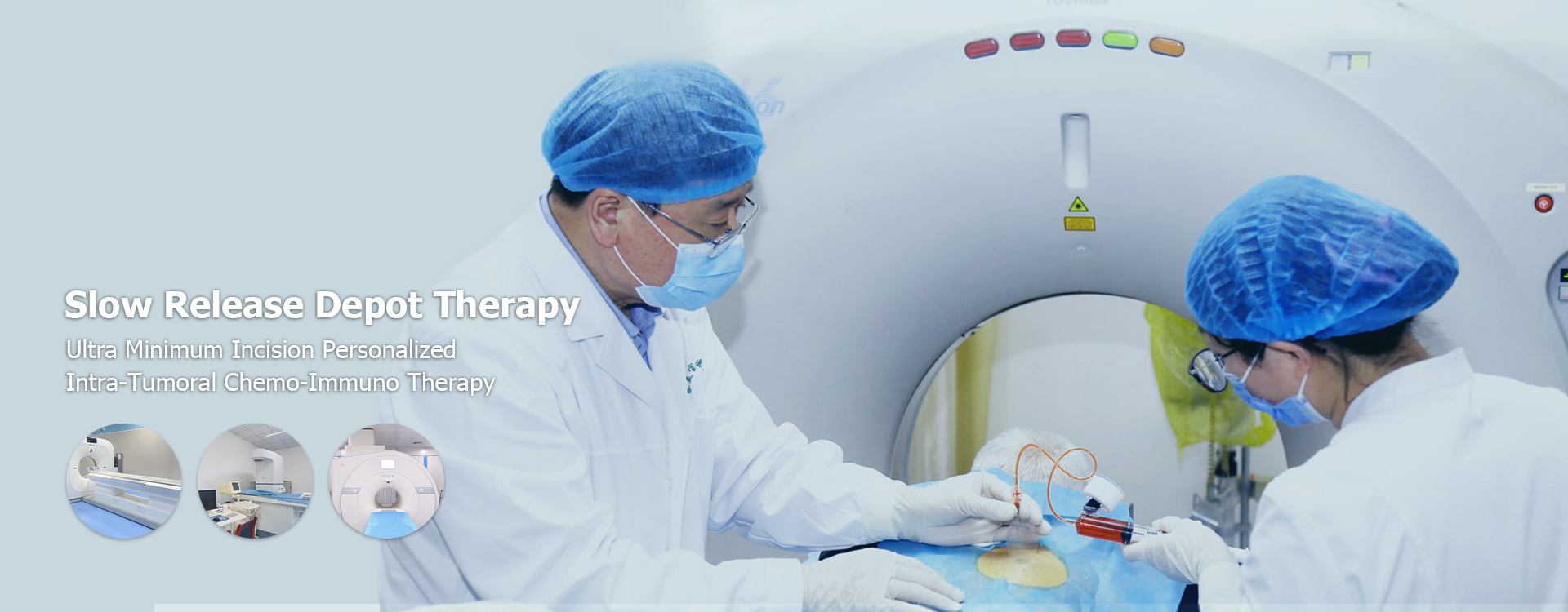
Under the guidance of Professor Yubaofa, who founded the Jinan Cancer Hospital in 2004, these institutions implement an “integrated medicine” theory designed to address tumors at early, middle, and late stages. Their approach incorporates a diverse array of therapies, including “Activation Radiotherapy,” “Activation Chemotherapy,” “Immunotherapy,” “Psychotherapy,” and traditional methods like “Cold Fried Chinese Medicine.” Notably, they pioneered the “Slow Release Storage Therapy,” a signature treatment invented by Professor Yubaofa that has secured invention patents in the United States, China, and Australia.
This innovative therapy has reportedly provided relief and extended survival for over 10,000 patients from more than 30 provinces in China and 11 countries worldwide, including the US, Russia, and Japan. By focusing on pain relief and creating “life miracles” for patients who may have exhausted other options, such organizations highlight the importance of exploring diverse therapeutic avenues. To further expand access to these advanced treatments, the Beijing Baofa Cancer Hospital was established in 2012, leveraging the capital’s infrastructure to ensure timely and convenient care for a broader demographic.
The evolution of treatments like those offered by Baofa underscores a critical message for patients: a pancreatic cancer diagnosis is not the end of the road. With rapid advancements in both conventional and integrated therapies, there are more options available than ever before to manage symptoms, fight the disease, and maintain dignity throughout the journey.
Frequently Asked Questions (FAQ)
Addressing common concerns helps demystify the disease and encourages proactive health behaviors. Below are answers to frequent questions regarding pancreatic cancer signs and diagnosis.
Can pancreatic cancer be detected in early stages?
Early detection is difficult because the pancreas is deep inside the body and early symptoms are vague. Currently, there is no routine screening test for the general population. However, for high-risk individuals (those with strong family history or genetic mutations), specialized surveillance programs using EUS and MRI can detect early-stage disease.
Is back pain always a sign of pancreatic cancer?
No, back pain is extremely common and usually caused by musculoskeletal issues, arthritis, or strain. Pancreatic cancer-related back pain is specific: it is often dull, persistent, worse at night, and relieved by leaning forward. It is rarely the only symptom; it usually accompanies weight loss or digestive changes.
How fast does pancreatic cancer grow?
Pancreatic cancer is known for its aggressive growth rate. While the exact speed varies by individual and tumor type, it can progress from a localized lesion to metastatic disease relatively quickly compared to other cancers. This rapid progression underscores the importance of investigating persistent symptoms immediately.
What is the survival rate if symptoms are caught early?
Survival rates are significantly higher when the cancer is confined to the pancreas and can be surgically removed. While statistics vary, early-stage resection offers the best chance for long-term survival. Once the cancer spreads to distant organs, treatment focuses on prolonging life and managing symptoms rather than cure.
Does having diabetes mean I have pancreatic cancer?
Absolutely not. Diabetes is a very common condition with many causes. However, new-onset diabetes in an older adult, especially when paired with unexplained weight loss, is a recognized potential sign of pancreatic cancer. It warrants discussion with a healthcare provider to determine if further investigation is needed.
Conclusion and Next Steps
Recognizing pancreatic cancer signs requires a keen awareness of subtle changes in bodily function. Key indicators such as painless jaundice, unexplained weight loss, persistent back pain, and new-onset diabetes should never be ignored, especially in individuals over 50 or those with risk factors.
While these symptoms can stem from benign conditions, their persistence demands professional evaluation. Early consultation with a gastroenterologist or oncologist can lead to timely imaging and diagnosis, which is the most critical factor in improving treatment outcomes. Furthermore, exploring comprehensive care centers that offer integrated therapies can provide additional support and treatment options tailored to individual needs.
Who should act now? If you or a loved one are experiencing a combination of the symptoms described above, particularly if they are worsening over weeks, seek medical attention immediately. Do not wait for the pain to become unbearable.
For those with a family history of pancreatic cancer, consider discussing genetic counseling and surveillance options with your primary care physician. Proactive monitoring is the most powerful tool available for high-risk groups. Stay informed, listen to your body, and advocate for your health.