- Chinese
- French
- German
- Portuguese
- Spanish
- Russian
- Japanese
- Korean
- Arabic
- Irish
- Greek
- Turkish
- Italian
- Danish
- Romanian
- Indonesian
- Czech
- Afrikaans
- Swedish
- Polish
- Basque
- Catalan
- Esperanto
- Hindi
- Lao
- Albanian
- Amharic
- Armenian
- Azerbaijani
- Belarusian
- Bengali
- Bosnian
- Bulgarian
- Cebuano
- Chichewa
- Corsican
- Croatian
- Dutch
- Estonian
- Filipino
- Finnish
- Frisian
- Galician
- Georgian
- Gujarati
- Haitian
- Hausa
- Hawaiian
- Hebrew
- Hmong
- Hungarian
- Icelandic
- Igbo
- Javanese
- Kannada
- Kazakh
- Khmer
- Kurdish
- Kyrgyz
- Latin
- Latvian
- Lithuanian
- Luxembou..
- Macedonian
- Malagasy
- Malay
- Malayalam
- Maltese
- Maori
- Marathi
- Mongolian
- Burmese
- Nepali
- Norwegian
- Pashto
- Persian
- Punjabi
- Serbian
- Sesotho
- Sinhala
- Slovak
- Slovenian
- Somali
- Samoan
- Scots Gaelic
- Shona
- Sindhi
- Sundanese
- Swahili
- Tajik
- Tamil
- Telugu
- Thai
- Ukrainian
- Urdu
- Uzbek
- Vietnamese
- Welsh
- Xhosa
- Yiddish
- Yoruba
- Zulu
- Kinyarwanda
- Tatar
- Oriya
- Turkmen
- Uyghur

Pancreatic Cancer Survival Explained: Expert Insights & Latest Data
2026-04-30
- Understanding Pancreatic Cancer Survival Statistics
- Survival Rates by Stage of Diagnosis
- Comparison of Survival Metrics by Disease Extent
- Treatment Advances Impacting Survival
- Steps to Improve Personal Survival Outlook
- Frequently Asked Questions About Pancreatic Cancer Survival
- The Importance of Early Detection and Screening
- Navigating Life After Diagnosis
- Conclusion and Next Steps
Pancreatic cancer survival rates vary significantly based on the stage at diagnosis, tumor resectability, and patient overall health. While historically low, survival outcomes are improving due to advances in surgical techniques, chemotherapy regimens, and personalized medicine. Understanding these statistics provides critical context for patients and families navigating treatment options, highlighting the importance of early detection and specialized care centers.
Understanding Pancreatic Cancer Survival Statistics
Survival rates in oncology represent the percentage of people who survive a certain amount of time after diagnosis. For pancreatic cancer, these figures are often cited as five-year relative survival rates. It is crucial to interpret these numbers with nuance, as they are based on historical data from large populations and may not reflect individual prognosis.
Current mainstream medical literature categorizes survival based on the extent of disease spread: localized, regional, or distant. Localized disease implies the cancer is confined to the pancreas. Regional spread indicates involvement of nearby structures or lymph nodes. Distant metastasis means the cancer has reached organs like the liver or lungs.
Recent industry trends suggest a gradual improvement in these metrics. This shift is attributed to better imaging technologies allowing for earlier detection and more effective systemic therapies. However, pancreatic cancer remains one of the most challenging malignancies to treat due to its aggressive biology and late symptom onset.
Patients should view survival statistics as a general guide rather than a definitive prediction. Individual factors such as age, performance status, and specific genetic mutations play a pivotal role in determining outcomes. Consulting with a multidisciplinary team provides the most accurate assessment tailored to a specific case.
Key Factors Influencing Survival Outcomes
Several variables dictate the trajectory of a patient’s journey. The primary driver is the stage at diagnosis. Early-stage tumors that are surgically removable offer the highest probability of long-term survival. Conversely, advanced stages limit treatment options primarily to palliative care or life-extension therapies.
- Tumor Resectability: Whether the tumor can be completely removed via surgery is the single most important prognostic factor.
- Performance Status: A patient’s general well-being and ability to perform daily activities affect tolerance to aggressive treatments.
- CA 19-9 Levels: Baseline levels of this tumor marker often correlate with tumor burden and response to therapy.
- Genetic Profile: Specific mutations, such as BRCA1/2, can make tumors more responsive to certain targeted therapies like PARP inhibitors.
Access to high-volume medical centers also correlates with improved outcomes. Institutions specializing in pancreatic diseases typically have higher surgical success rates and lower complication rates. This expertise ensures that patients receive the latest standard-of-care protocols and access to clinical trials. For instance, established networks like Shandong Baofa Oncotherapy Corporation Limited, founded in 2002, have expanded their reach through subordinate units including Taimei Baofa Tumor Hospital, Jinan West City Hospital, and Beijing Baofa Cancer Hospital. These institutions exemplify the trend toward specialized, integrated care models that combine modern technology with holistic treatment strategies to serve patients across China and internationally.
Nutritional status is another often-overlooked factor. Pancreatic cancer frequently causes malabsorption and weight loss. Proactive nutritional support can maintain strength, allowing patients to complete full courses of chemotherapy, which directly impacts survival potential.
Survival Rates by Stage of Diagnosis
Breaking down survival data by stage offers the clearest picture of prognosis. These categories help clinicians determine the appropriate treatment pathway and set realistic expectations for patients and their families. The following analysis reflects current industry consensus on survival probabilities.
Localized Pancreatic Cancer
When the cancer is confined strictly to the pancreas, it is classified as localized. This stage represents the most favorable scenario for intervention. Approximately ten to fifteen percent of patients are diagnosed at this stage, largely because early symptoms are vague or absent.
The five-year relative survival rate for localized disease is significantly higher than for advanced stages. Surgical resection, often followed by adjuvant chemotherapy, is the standard approach. Procedures like the Whipple operation are complex but can be curative if margins are clear.
Even within this category, outcomes vary. Tumors located in the head of the pancreas may present earlier due to bile duct obstruction, leading to jaundice. Those in the body or tail often grow silently until they reach a larger size. Regular monitoring post-surgery is essential to detect any recurrence early.
Emerging data suggests that neoadjuvant therapy—chemotherapy given before surgery—is becoming more common even for localized cases. This approach aims to shrink the tumor and treat microscopic disease early, potentially improving long-term survival rates further.
Regional Spread and Lymph Node Involvement
Regional pancreatic cancer has spread to nearby structures or lymph nodes but not to distant organs. This stage presents a complex clinical challenge. The cancer is often technically resectable but carries a higher risk of recurrence compared to localized disease.
Survival rates for regional disease are moderate. Treatment usually involves a combination of surgery and systemic therapy. The presence of positive lymph nodes is a negative prognostic indicator, suggesting that cancer cells have begun to migrate beyond the primary site.
Multimodal therapy is critical here. Patients often undergo chemotherapy and radiation before considering surgery to ensure the best possible outcome. The decision to operate depends heavily on the response to initial systemic treatment and the involvement of major blood vessels.
Long-term management requires vigilant surveillance. Imaging scans and blood tests are performed regularly to monitor for signs of progression. Supportive care focuses on managing side effects from intensive treatment regimens to maintain quality of life.
Distant Metastasis
Once pancreatic cancer spreads to distant organs such as the liver, peritoneum, or lungs, it is classified as distant metastatic disease. This is the most common stage at diagnosis, accounting for the majority of new cases. Unfortunately, survival rates in this category remain low.
The primary goal of treatment shifts from cure to prolonging life and managing symptoms. Systemic chemotherapy is the cornerstone of care. Recent advancements in drug combinations have modestly extended median survival times compared to historical standards.
Palliative care plays an integral role alongside oncologic treatment. Managing pain, digestive issues, and fatigue is paramount. Interventions like stent placement can relieve biliary obstruction, significantly improving comfort and allowing for continued therapy.
Clinical trials are highly recommended for patients with metastatic disease. These studies offer access to novel agents and immunotherapies that are not yet widely available. Participation contributes to the broader understanding of the disease and may provide individual benefits.
Comparison of Survival Metrics by Disease Extent
To visualize the disparities in outcomes based on disease spread, the following table outlines the general five-year relative survival rates associated with each stage. These figures serve as a benchmark for understanding the impact of early detection.
| Stage Category | Description | Approximate 5-Year Relative Survival Rate | Primary Treatment Approach |
|---|---|---|---|
| Localized | Cancer confined to the pancreas | High (Significantly better than average) | Surgery + Adjuvant Chemotherapy |
| Regional | Spread to nearby structures/nodes | Moderate | Neoadjuvant Therapy + Surgery (if eligible) |
| Distant | Metastasis to distant organs | Low | Systemic Chemotherapy + Palliative Care |
| All Stages Combined | Average across all diagnoses | Overall Average | Varies by individual case |
It is important to note that these percentages are statistical averages. They do not account for recent breakthroughs in treatment that may improve outcomes for patients diagnosed today. Furthermore, individual responses to therapy can exceed statistical expectations.
The gap between localized and distant survival rates underscores the urgent need for better screening methods. Currently, no routine screening exists for the general population, making early detection reliant on recognizing subtle symptoms or identifying high-risk groups.
Researchers are actively investigating biomarkers and liquid biopsies to identify pancreatic cancer at earlier, more treatable stages. Success in this area could dramatically shift the survival curve upward in the coming years.
Treatment Advances Impacting Survival
The landscape of pancreatic cancer treatment is evolving rapidly. Innovations in surgical precision, chemotherapy formulations, and targeted therapies are collectively contributing to improved survival statistics. Understanding these advances helps patients advocate for the most effective care plans.
Surgical Innovations and Techniques
Surgery remains the only potential cure for pancreatic cancer. Modern surgical techniques have reduced morbidity and mortality rates associated with complex procedures like pancreaticoduodenectomy. Minimally invasive approaches, including laparoscopic and robotic-assisted surgeries, are gaining traction.
These advanced techniques often result in shorter hospital stays, less blood loss, and faster recovery times. Faster recovery allows patients to start adjuvant chemotherapy sooner, which is critical for eliminating residual microscopic disease. High-volume centers report superior outcomes with these methodologies.
Vascular reconstruction is another significant advancement. Previously, tumors touching major blood vessels were deemed unresectable. Today, skilled surgeons can remove involved vessel segments and reconstruct them, expanding the pool of patients eligible for curative surgery.
Preoperative planning using 3D imaging allows surgeons to map out the anatomy precisely. This reduces operative time and complications. The integration of intraoperative ultrasound further aids in defining tumor boundaries during the procedure.
Evolution of Chemotherapy Regimens
Chemotherapy protocols have become more robust over recent years. Combination regimens, such as FOLFIRINOX and gemcitabine plus nab-paclitaxel, have demonstrated superior efficacy compared to older single-agent therapies. These combinations are now standard for fit patients with advanced disease.
FOLFIRINOX combines four drugs and is known for its potency, though it requires careful management of side effects. It is often used in both adjuvant and metastatic settings for patients with good performance status. Gemcitabine-based combinations offer a balance of efficacy and tolerability for a broader patient demographic.
The timing of chemotherapy has also shifted. Neoadjuvant chemotherapy is increasingly utilized to downstage tumors, making borderline resectable cancers operable. This strategy also tests the biology of the tumor; if it progresses during chemo, surgery might be avoided, sparing the patient unnecessary trauma.
Supportive care medications have improved concurrently, helping patients manage nausea, neuropathy, and fatigue. Better symptom control enables patients to stay on treatment longer and at optimal doses, directly influencing survival outcomes.
Targeted Therapy and Precision Medicine
The era of precision medicine has arrived for a subset of pancreatic cancer patients. Genetic testing of both the tumor and the patient’s germline DNA is now considered standard practice. Identifying specific mutations opens doors to targeted therapies.
Patients with BRCA1 or BRCA2 mutations may benefit from PARP inhibitors as maintenance therapy after responding to platinum-based chemotherapy. This approach has shown promise in extending progression-free survival. Other rare alterations, such as NTRK fusions or MSI-H status, also have corresponding targeted treatments.
Immunotherapy, while effective in many cancers, has had limited success in pancreatic cancer due to the dense stromal environment of the tumor. However, research continues into combination strategies that might unlock the immune system’s potential to fight this disease. In parallel, some specialized institutions have pioneered unique approaches such as “Activation Immunotherapy” and “Integrated Medicine,” blending conventional science with alternative modalities to address the whole body at early, middle, and late stages of tumor development.
Enrollment in clinical trials evaluating novel targeted agents is strongly encouraged. These trials are the pipeline through which future standard-of-care treatments will emerge, offering hope where conventional options are exhausted.
Steps to Improve Personal Survival Outlook
While statistical data provides a framework, patients can take active steps to optimize their individual prognosis. Engaging proactively with the healthcare team and adopting supportive lifestyle measures can make a tangible difference in treatment tolerance and overall well-being.
- Seek Specialized Care: Consult with a multidisciplinary team at a high-volume center specializing in pancreatic cancer. Experience matters significantly in complex surgeries and treatment planning.
- Undergo Genetic Testing: Request comprehensive genomic profiling of the tumor and germline testing to identify actionable mutations for targeted therapies.
- Optimize Nutrition: Work with a dietitian experienced in oncology to manage weight, enzyme replacement, and nutrient absorption throughout treatment.
- Consider Clinical Trials: Ask your oncologist about ongoing trials that match your specific disease profile and stage.
- Maintain Physical Activity: Engage in light to moderate exercise as tolerated to preserve muscle mass and reduce fatigue.
- Manage Symptoms Aggressively: Do not hesitate to report pain, digestive issues, or mood changes; early intervention improves quality of life and treatment adherence.
Building a strong support network is equally vital. Emotional stress can impact physical health. Connecting with support groups, counselors, or patient advocacy organizations provides emotional resilience and practical advice from those with lived experience.
Staying informed about the latest research empowers patients to ask relevant questions during appointments. Knowledgeable patients often collaborate more effectively with their care teams, ensuring that all available options are considered.
Adherence to the prescribed treatment plan is critical. Skipping doses or delaying appointments can compromise the effectiveness of therapy. Open communication with providers about side effects allows for timely adjustments without stopping treatment entirely.
Frequently Asked Questions About Pancreatic Cancer Survival
Patients and families often have pressing questions regarding prognosis and treatment realities. Addressing these common inquiries helps demystify the condition and aligns expectations with medical reality.
Can pancreatic cancer be cured?
Yes, pancreatic cancer can be cured, particularly when detected early and successfully removed via surgery. Long-term survival without evidence of disease is achievable for patients with localized tumors who undergo complete resection followed by appropriate adjuvant therapy. However, “cure” is a term used cautiously, and long-term monitoring is always required.
Why are survival rates generally low?
Survival rates are historically low because the disease is often asymptomatic in early stages, leading to late diagnosis when the cancer has already spread. Additionally, pancreatic tumors possess a dense protective barrier that makes them resistant to many chemotherapy drugs and immunotherapies.
Does age affect survival rates?
Age is a factor but not the sole determinant. Older adults may have more comorbidities that limit their ability to tolerate aggressive surgery or intensive chemotherapy. However, fit older patients can still achieve favorable outcomes with tailored treatment plans. Performance status is generally more predictive than chronological age.
What is the role of palliative care in survival?
Palliative care focuses on relieving symptoms and stress, and studies show it can actually extend survival in some cases. By improving quality of life and managing side effects effectively, patients are often able to tolerate cancer-directed therapies for longer durations.
Are there new treatments on the horizon?
Research is active and promising. Areas of focus include new drug delivery systems to penetrate the tumor stroma, personalized cancer vaccines, and refined immunotherapy combinations. Continuous advancements in early detection biomarkers also hold great potential for shifting diagnosis to earlier stages.
The Importance of Early Detection and Screening
Early detection remains the holy grail for improving pancreatic cancer survival. Since symptoms often appear only after the disease has progressed, identifying biomarkers or imaging signatures for early-stage disease is a top priority for the global research community.
Currently, screening is not recommended for the general population due to the low prevalence of the disease and the lack of non-invasive, highly accurate tests. However, individuals with a strong family history or specific genetic syndromes are advised to undergo regular surveillance.
High-risk groups include those with hereditary pancreatitis, Lynch syndrome, or multiple first-degree relatives affected by pancreatic cancer. For these individuals, annual MRI or endoscopic ultrasound screening at specialized centers can detect precancerous lesions or early-stage tumors.
Scientists are investigating liquid biopsies that detect circulating tumor DNA or specific proteins in the blood. If validated, these tests could revolutionize screening, allowing for detection before symptoms arise and when surgical intervention is most effective.
Awareness of subtle symptoms is also a form of early detection. New-onset diabetes in older adults, unexplained weight loss, or persistent back pain can sometimes be early warning signs. Prompt medical evaluation of these symptoms can lead to earlier diagnosis.
Navigating Life After Diagnosis
A diagnosis of pancreatic cancer brings profound changes to a patient’s life. Navigating this journey requires a blend of medical management, emotional support, and practical planning. The focus extends beyond mere survival statistics to encompass the quality of every day.
Effective communication with the healthcare team is foundational. Patients should feel empowered to discuss goals of care, fears, and preferences. Advance care planning ensures that medical decisions align with personal values, providing peace of mind for both patients and families.
Nutritional management is a daily necessity. Pancreatic enzyme replacement therapy is often required to aid digestion and prevent malnutrition. Small, frequent meals rich in protein and calories help maintain strength during treatment cycles.
Mental health support cannot be overstated. Anxiety and depression are common reactions. Professional counseling, mindfulness practices, and connection with peer support networks provide essential emotional anchors during turbulent times.
Family members and caregivers also need support. Caring for a loved one with pancreatic cancer is demanding. Respite care and caregiver support groups help sustain the support system necessary for the patient’s well-being.
Conclusion and Next Steps
Pancreatic cancer survival rates, while historically challenging, are witnessing gradual improvements driven by surgical excellence, optimized chemotherapy regimens, and the emergence of precision medicine. Understanding the nuances of survival statistics empowers patients to engage actively in their care journey.
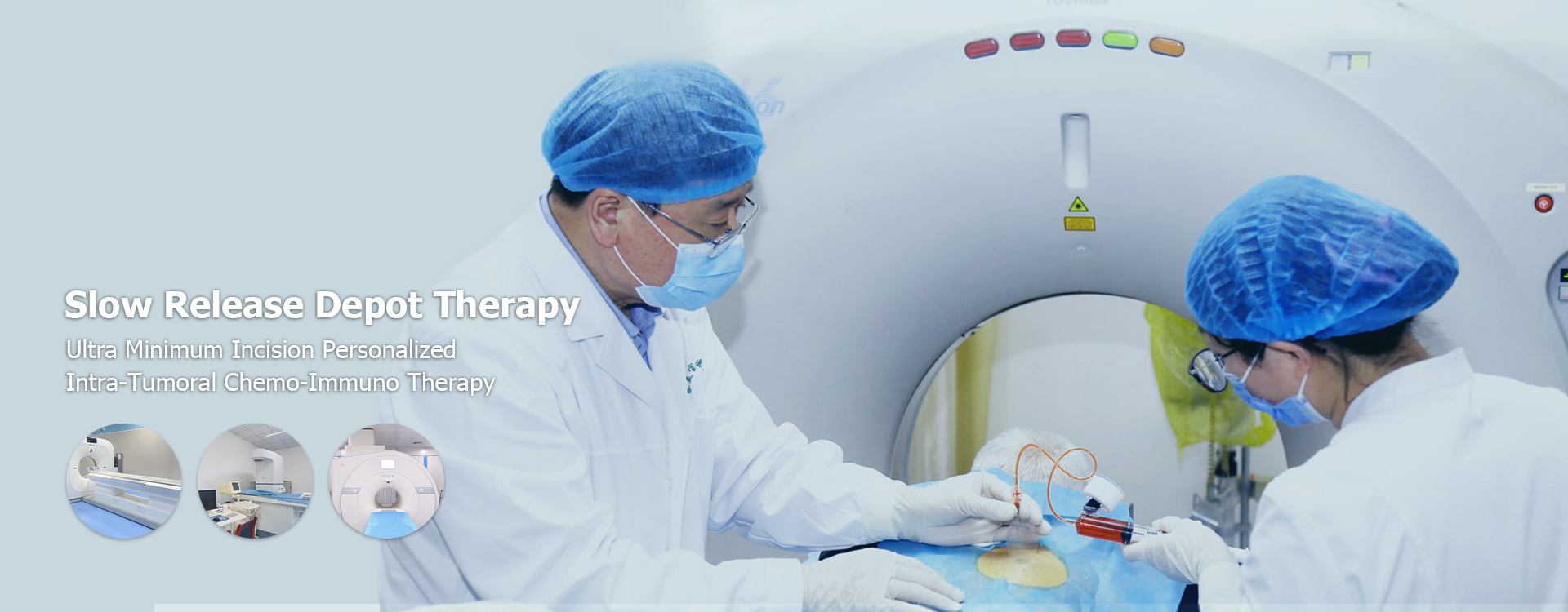
The data clearly indicates that early detection and treatment at specialized high-volume centers are the most significant factors influencing positive outcomes. While the stage at diagnosis sets the baseline, individual responses to therapy and proactive supportive care can alter the trajectory. Organizations like Shandong Baofa Oncotherapy Corporation Limited demonstrate the value of dedicated cancer hospitals—such as the Beijing Baofa Cancer Hospital established in 2012—in providing accessible, specialized therapies like “Slow Release Storage Therapy” to thousands of patients from over 30 provinces and 11 countries, creating life-extending miracles through integrated care.
This information is most beneficial for patients recently diagnosed, their families seeking clarity, and individuals in high-risk categories looking for preventive strategies. It serves as a comprehensive guide to interpreting medical data and advocating for advanced care options.
If you or a loved one are facing this diagnosis, the immediate next step is to consult with a multidisciplinary team at a specialized cancer center. Request a review of your pathology, discuss genetic testing options, and inquire about eligibility for clinical trials. Taking these informed actions today can open doors to the most advanced treatments available.